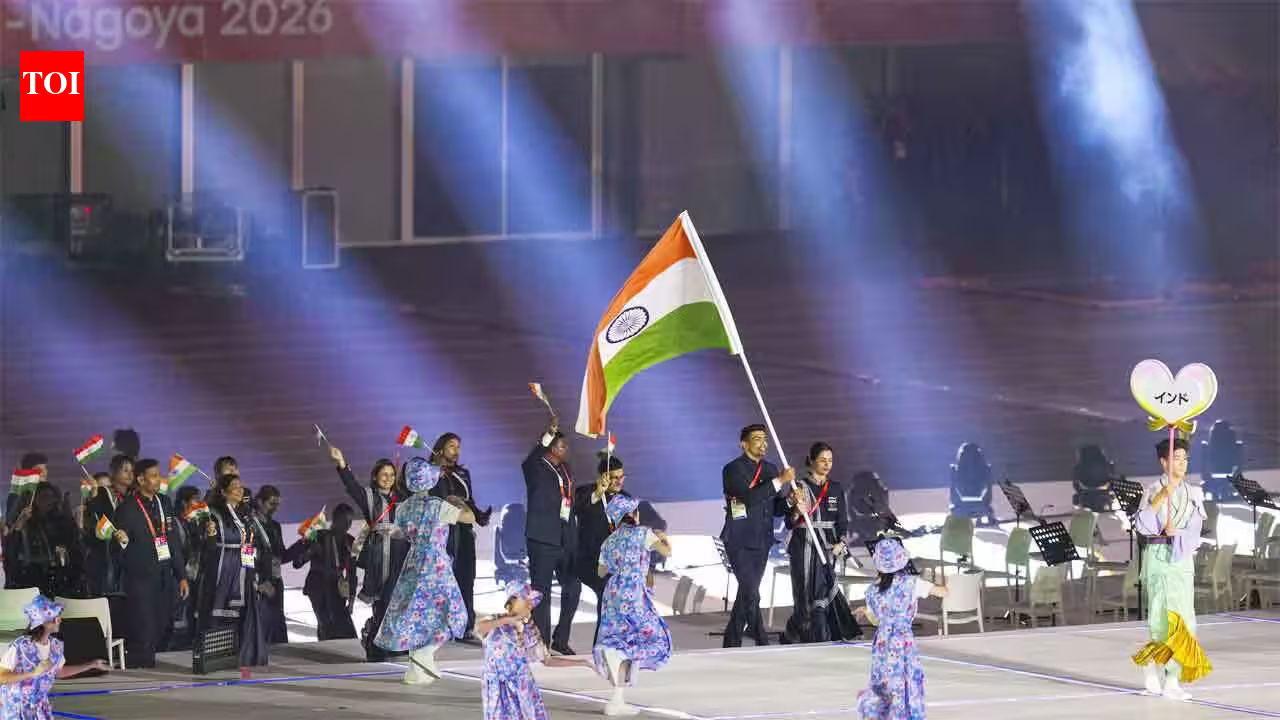

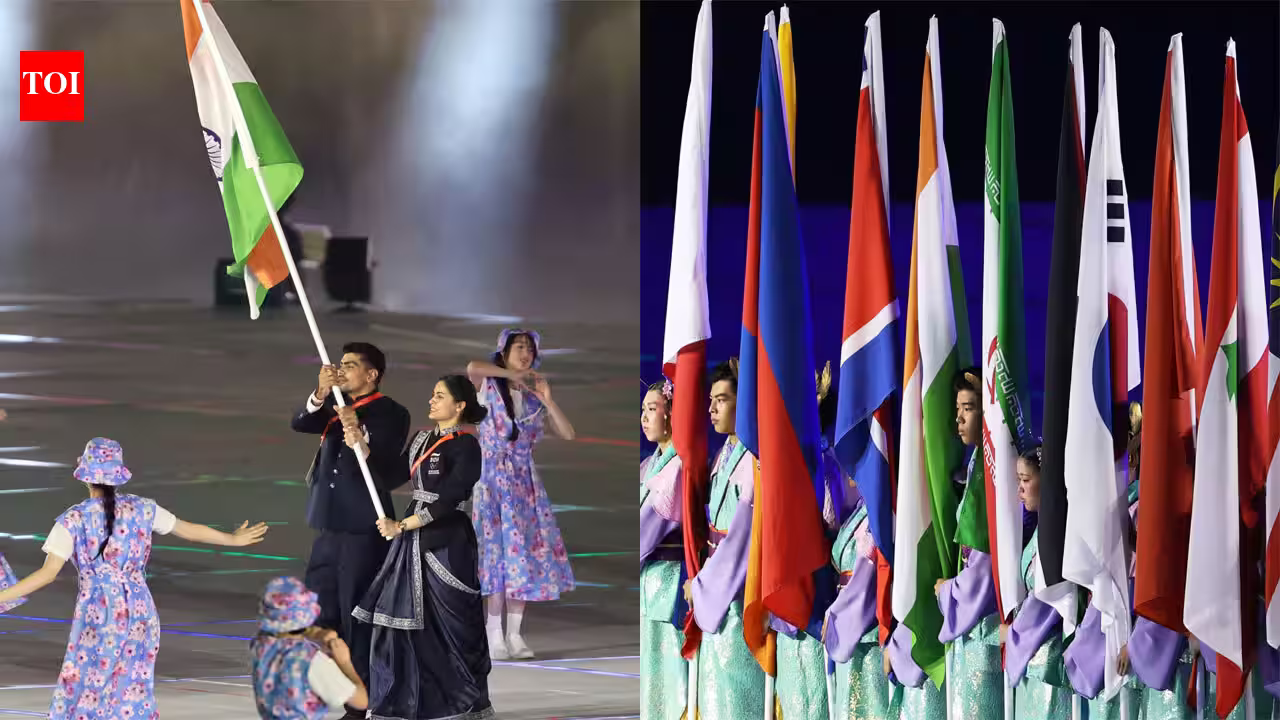







Aichi-Nagoya has officially opened its doors to the world as the 20th Asian Games kicked off this Saturday, signaling the start of a massive 16-day sporting odyssey that, by the raw metrics of human participation, eclipses the recent Paris Olympics. While the Olympic Games remain the gold standard for global prestige, the continental spectacle in Japan is operating on a scale that defies traditional expectations, boasting over 11,000 registered athletes—a figure that comfortably surpasses the 10,700 who descended upon the French capital in 2024.
11,000+ Athletes: A Continental Giant in Motion
The staggering turnout at Aichi-Nagoya reinforces the Asian Games’ status as a true sporting behemoth. With 45 countries and regions represented, from the remote reaches of Afghanistan to the shores of Yemen, the Games serve as a vital crucible for talent across the continent. While the organizers have yet to finalize the exact headcount, early estimates place the athlete pool in excess of 11,000, echoing the massive footprint of the previous edition in Hangzhou, where a record-breaking 12,000 athletes competed.
Japan leads the charge as the host nation with a massive delegation of 933 athletes, followed by China’s formidable squad of 815. The competitive bar is set incredibly high, with China arriving as the undisputed superpower after its clinical performance in Hangzhou, where they secured a staggering 201 gold medals. However, the depth of the field is rising rapidly; Japan, South Korea, India, Uzbekistan, and Taiwan are all looking to capitalize on this massive stage to shift the power dynamic in various disciplines.
43 Sports: Where Olympic Classics Meet Cultural Heritage
One of the defining characteristics of the Asian Games is its eclectic, sprawling program. While the heart of the event beats to the rhythm of Olympic staples like athletics, swimming, and football, the Aichi-Nagoya schedule embraces 43 sports that reflect the vibrant cultural diversity of Asia.
The inclusion of regional specialties like Kabaddi—a high-intensity team sport of speed and brute force—and Sepaktakraw, which marries the agility of football with the mechanics of volleyball, provides a distinctly local flavor. Kurash, the ancient wrestling tradition from Uzbekistan, adds a layer of historical gravitas to the competition, standing alongside modern, fast-growing disciplines like Teqball and Virtual Taekwondo. This year’s edition has also doubled down on its commitment to the future, with eSports returning to the roster following its successful debut in Hangzhou, alongside new inclusions like padel and mixed martial arts.
The sheer volume of events has necessitated a grueling schedule that defies the traditional “opening ceremony first” approach. With basketball tip-offs occurring as early as September 10 and football matches well underway, the momentum was already at a fever pitch long before Emperor Naruhito officially declared the Games open at the Mizuho Park Athletic Stadium.
The “Floating” Village: Logistical Challenges and Innovation
The scale of this event has introduced significant logistical hurdles, particularly in housing. Unlike the purpose-built athletes’ villages of past Olympics, Aichi-Nagoya has opted for a decentralized, creative, and sometimes controversial approach to housing 17,000 athletes and officials.
In a cost-conscious move following the eye-watering expenses of the Tokyo Olympics, organizers have utilized a mix of hotel blocks, converted wooden containers, and the Costa Serena—a massive Italian cruise ship serving as a floating village for 5,000 residents. While the innovation is commendable, the reality on the ground has been a point of contention. Various delegations have raised concerns regarding cramped quarters, logistical bottlenecks, and transit times to training facilities. High-profile incidents, such as the Indian cricket team opting for private hotel arrangements and complaints regarding the size of the Garden Pier containers, have provided fodder for critics. However, the Olympic Council of Asia (OCA) maintains that these are merely “teething difficulties” common to a complex, multi-site operation.
The Road Ahead: A 16-Day Marathon
The ceremonial lighting of the cauldron by Japanese hammer-throwing legends Shigenobu and Koji Murofushi marked the high point of the “Harmonic Heart Beat” opening ceremony, but the true drama is only just beginning. As the Games run through October 4, the world will turn its attention to the rising stars and established icons alike.
In the pool, all eyes are on China’s world-record-holding sprinter Pan Zhanle and the 13-year-old sensation Yu Zidi, both of whom are expected to provide early fireworks. Meanwhile, the first medals of the Games, expected to be decided in the triathlon, will set the tone for the medal tables.
Aichi-Nagoya may not be the Olympics, but it is unequivocally an event of massive magnitude. It is a festival that balances the universal appeal of global sports with the unique, heartbeat-thumping traditions of the world’s largest continent. For the next two weeks, the eyes of Asia are fixed on Japan, waiting to see who will rise to the top of the podium in one of the most unique multi-sport spectacles of the decade.
Disclaimer: This content is auto-generated for informational purposes only.
Source: Read Original News