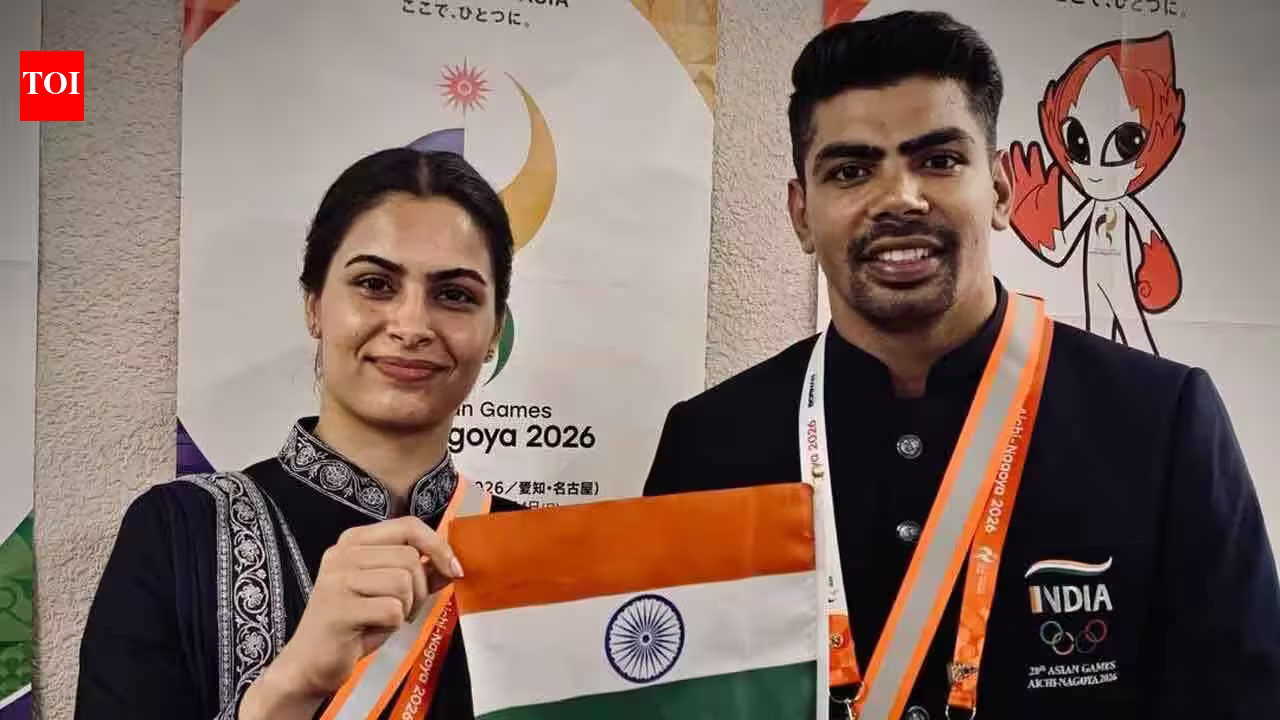


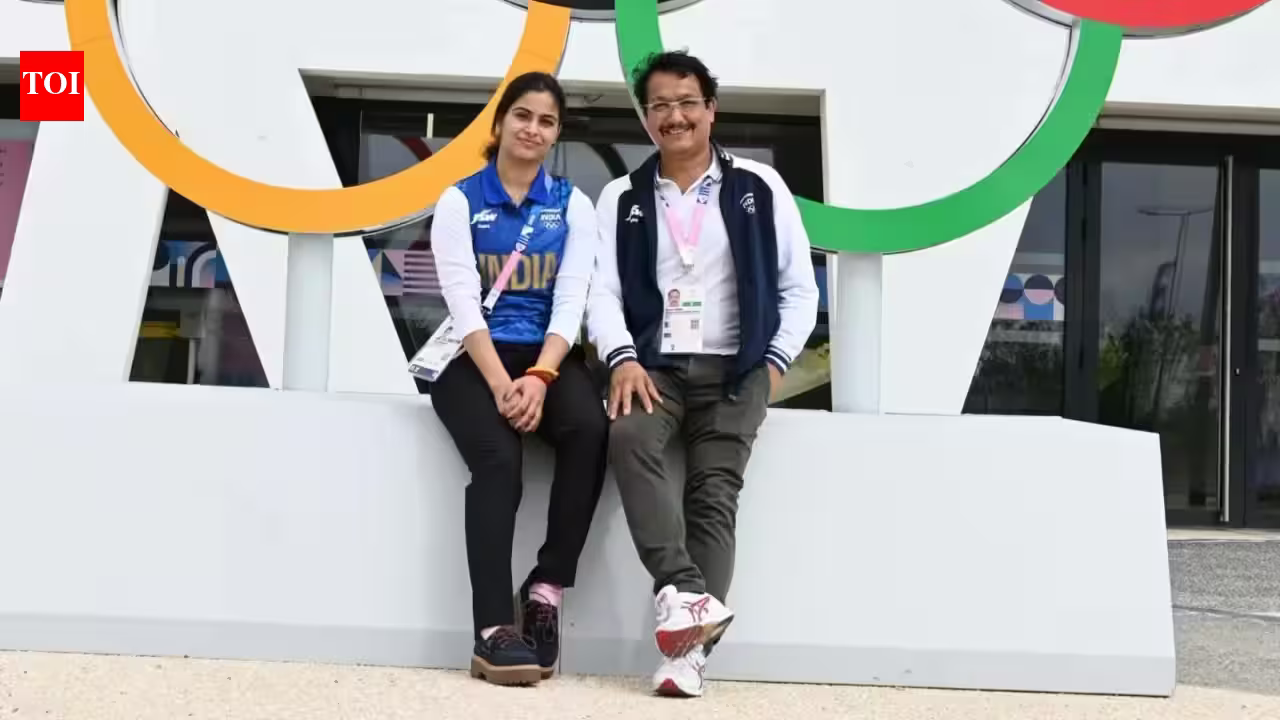




CARRYING the weight of a billion hopes is a task Manu Bhaker has become accustomed to, but as she prepares to step onto the world stage at the Asian Games opening ceremony in Japan, the moment carries a profound, personal resonance. For the 24-year-old double Olympic medalist, being named a flagbearer for the Indian contingent is not just a career milestone; it is the fulfillment of a long-standing mantra instilled by her mentor, the late coach Jaspal Rana.
As the sporting world gathers for the grand commencement of the Games, Bhaker finds herself reflecting on the journey from a prodigious 16-year-old shooter in 2018 to one of the most decorated athletes in Indian history. While the honor of leading the delegation is the culmination of years of tireless precision on the firing range, she admits that the opportunity brings back vivid memories of the strict disciplines Rana demanded during her formative years.
The Legacy of Jaspal Rana’s Discipline
In the world of elite sports, where every millisecond and every heartbeat counts, the schedule of a shooter is notoriously unforgiving. Matches often begin mere hours after the glitz and glamour of opening ceremonies, forcing athletes to make difficult choices between participating in the cultural spectacle and maintaining their physical readiness.
For a young Bhaker, the choice was never hers to make—it was dictated by a coach who prioritized performance above all else. “When I started, I never thought I would reach this far one day,” Bhaker shared with reporters ahead of the ceremony. “It is definitely a feeling of immense pride and honor. I was just 16 when I competed in my first Asian Games in 2018 in Palembang, but I couldn’t attend the ceremony then.”
The rule set by Jaspal Rana was binary and uncompromising. He recognized the mental and physical toll that standing for hours in a stadium could take on an athlete scheduled to compete the next day. Consequently, he implemented a rigid policy: Bhaker was permitted to attend the festivities only if she held the ultimate distinction of leading the country.
“The first time I attended the opening ceremony was in the Commonwealth Games,” Bhaker recalled. “I was like, ‘If I am the flagbearer, I will attend,’ because Jaspal Sir said he would only allow me to go if I held the flag. Otherwise, I would watch it on television. Since our matches usually start just a day after the opening ceremony, it becomes very hectic. His logic was simple: I am either a flagbearer, or I stay in the room and watch it on TV.”
From Prodigy to Historic Icon
Bhaker’s ascension to flagbearer status comes on the heels of a historic 2024. At the Paris Olympics, she etched her name into the history books as the first athlete from Independent India to secure two medals in a single edition of the Games. Her bronze-medal performances in both the individual and mixed-team 10m air pistol events proved that her poise under pressure is among the best in the world.
This third Asian Games appearance represents a new chapter for the shooter. She is no longer just the young talent from Haryana; she is a veteran leader who understands the nuances of managing energy in a chaotic multi-sport environment. Earlier this week, she urged her fellow athletes to maintain their focus and avoid succumbing to the peripheral distractions that often plague major events like the Asian Games, emphasizing that energy conservation is the key to winning gold.
A Shift in Protocol: Filling the Void
The buildup to Saturday’s ceremony was not without its own logistical hiccups. The Indian Olympic Association (IOA) was forced to make a last-minute adjustment to the leadership lineup. While the initial announcement included shot-putter Tajinderpal Singh Toor, the seasoned athlete was forced to withdraw from the role.
Reports confirmed that Toor would be unable to participate in the march because his ceremonial kit failed to arrive in his luggage. In a quick response to the logistical oversight, the IOA named star kabaddi player Pawan Sehrawat as the replacement to walk alongside Bhaker.
As the lights dim and the stadium readies itself for the grand procession, the sight of Manu Bhaker marching with the Tricolour will carry a symbolic weight. It serves as a tribute to the rigorous standards of excellence she maintained under Rana’s guidance and a celebration of a career that has already redefined the ceiling for Indian shooting. Whether on the podium or at the front of a parade, Bhaker remains a picture of composure—proving that, at last, she has earned the right to be at the center of the spectacle, just as her coach once envisioned.
Disclaimer: This content is auto-generated for informational purposes only.
Source: Read Original News