






Trump Extends Controversial $100,000 H-1B Visa Fee Until 2027
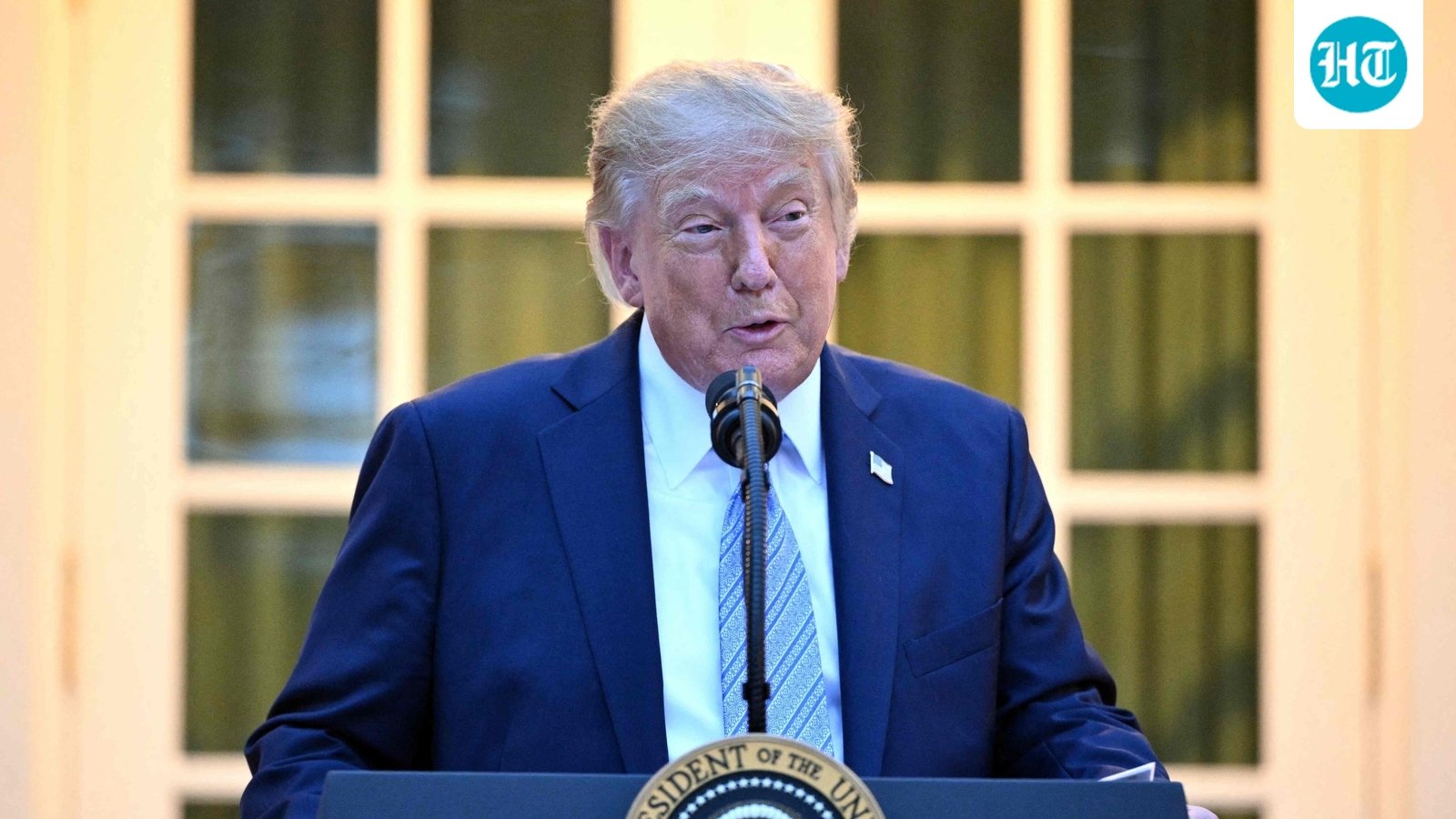
US President Donald Trump has officially extended the contentious $100,000 surcharge on H-1B visa petitions for another year. The mandate, which was set to expire this month, will now remain in effect until September 21, 2027, as legal battles over the policy continue to play out in American courtrooms.
First introduced via an executive order in September 2025, the fee represents a significant barrier for foreign professionals seeking to work in the United States. While the measure faces ongoing judicial scrutiny, the White House has stood firm, citing the need to curb perceived systemic abuses within the skilled worker program.
Impact on Indian Professionals
The extension hits the Indian professional community the hardest. According to recent United States Citizenship and Immigration Services (USCIS) data for the 2024 fiscal year, individuals born in India account for a staggering 71% of all approved H-1B petitions. In contrast, those from China represent roughly 12%.
For thousands of Indian IT professionals and companies that rely on international talent, the $100,000 payment creates a massive financial hurdle. Many experts suggest this policy will fundamentally alter how Indian firms approach US market operations, potentially forcing a shift toward local hiring or offshore development models.
Rationale Behind the Restriction
The Trump administration has consistently argued that the H-1B program has been exploited by IT staffing and outsourcing firms to lower labor costs. By utilizing foreign workers for entry-level or lower-paid positions, the White House claims these companies have suppressed wages for American citizens and created roadblocks for recent STEM graduates from US universities.
Since its implementation in September 2025, the fee has been applied to over 700 petitions. Government officials maintain that this financial disincentive, paired with a new weighted selection system, has successfully shifted the landscape of the H-1B lottery.
A Transformation in Visa Selection
Beyond the $100,000 price tag, the Department of Homeland Security has overhauled the selection process. The new weighted system explicitly prioritizes applicants who possess higher skill sets and command higher salaries.
Data from the FY 2027 cap season indicates that these measures are achieving the administration’s stated goals:
- Drastic Decline in Outsourcing: Large IT staffing firms have reported a 92% drop in their collective H-1B registrations.
- Higher Qualifications: The share of registrants holding a US master’s degree surged from 45.1% in FY 2026 to 66.1% in FY 2027.
- Shift in Wage Tiers: Registrations categorized in the top two wage brackets now comprise nearly half of all selections, while those in the lowest bracket have fallen significantly to 17.8%.
Despite these statistics, the policy remains a flashpoint for debate. Industry groups argue that the fee stifles innovation and hampers the ability of US companies to attract global talent. As the September 18 proclamation mandates a review of the restriction following the next lottery cycle, the future of the H-1B program remains in flux. Furthermore, the administration has proposed a separate, additional fee of $103,265 through distinct legal channels, signaling that the era of costly, restrictive visa processes may be far from over.
Disclaimer: This content is auto-generated for informational purposes only.
Source: Read Original News