








Understanding the Steam Frame Allocation Strategy
The launch of the Steam Frame has sparked significant discussion within the gaming community, primarily due to the restrictive nature of its initial distribution. Data gathered by the community-run platform Steam Frame Out reveals that while interest in the device is high, with over 40,000 recorded registrations, fewer than 19,000 applicants have successfully received purchase invites. The remaining majority have been placed into a backorder queue, a scenario that highlights Valve’s cautious approach to hardware rollouts.
Unlike traditional consumer electronics companies that often aim for mass-market saturation upon release, Valve employs a strategy that prioritizes controlled inventory management. By utilizing a randomized reservation system, the company effectively mitigates the impact of automated scalper bots, which historically plague the hardware market by hoarding supply and inflating prices. This systematic approach ensures that genuine users have a fair opportunity to purchase the hardware, even if the wait times for many remain indeterminate.
Hardware Positioning and Market Intent
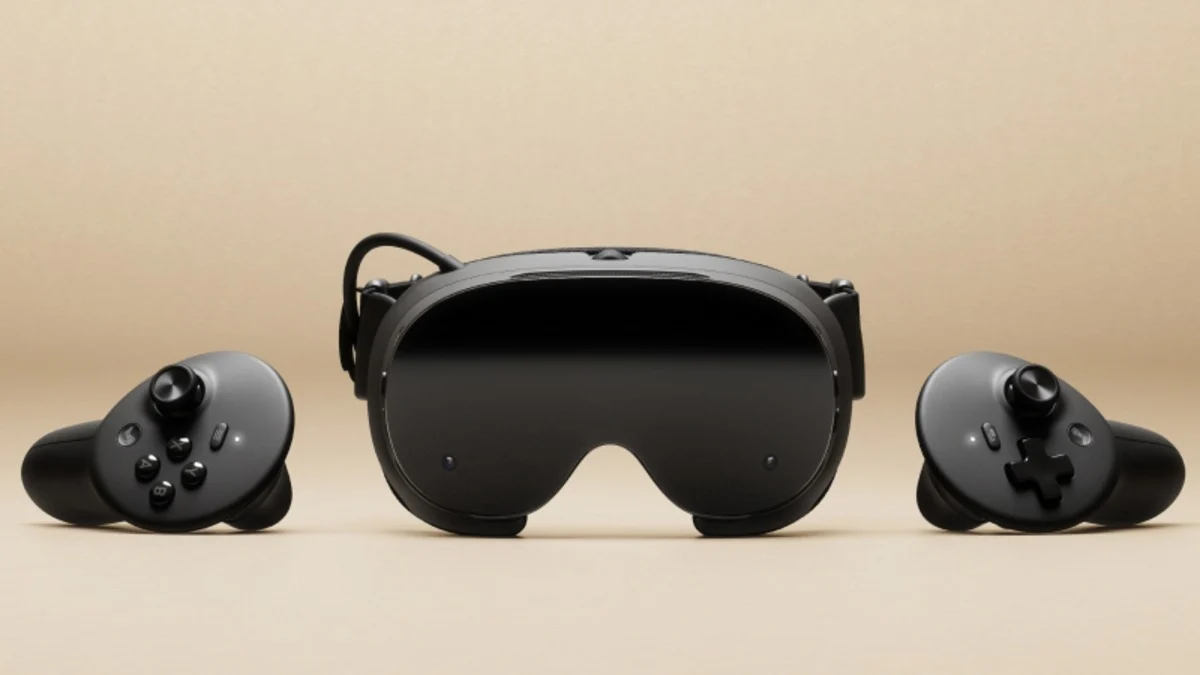
The Steam Frame is positioned as a luxury device tailored specifically for the enthusiast demographic. With a base configuration starting at $1,059 for the 256GB model, the headset is designed to compete in the high-end segment of the virtual reality market. Its integration with SteamOS signifies a commitment to creating an all-in-one ecosystem that bridges the gap between standalone convenience and the high-fidelity experiences typically reserved for PC-connected hardware.
Valve’s decision to limit initial production runs allows the company to gauge authentic demand without the financial risks associated with overproduction. This measured scaling is consistent with their operational philosophy. By observing consumer behavior and feedback during the initial phases, Valve can refine its supply chain logistics and adjust production volume based on verified interest rather than speculative projections.
Comparing the Launch to Past Hardware Initiatives
For those familiar with the history of the Steam Deck, the current situation regarding the Steam Frame will seem quite familiar. The Steam Deck launch followed a similar trajectory, characterized by initial scarcity, long lead times, and a staged rollout that left many customers on waitlists for months. This operational precedent suggests that the bottleneck is a deliberate feature of Valve’s distribution model rather than an unexpected failure in manufacturing.
Valve operates differently from companies like Meta or Sony. While those entities are primarily consumer hardware and software giants, Valve maintains a core identity as a software developer and the operator of the largest digital storefront in the industry. As such, hardware production serves as a vehicle to support their ecosystem rather than a primary source of bulk revenue. Consequently, the company is willing to sacrifice short-term market penetration in favor of maintaining high quality-control standards throughout the manufacturing process.
The Impact of the Backorder System on Potential Buyers
The transition to a backorder status can be discouraging for prospective buyers, yet it serves as a critical mechanism for maintaining order stability. When a reservation is pushed to the backorder list, the applicant is essentially entering a queue that is serviced as additional units become available. Valve has not provided a definitive timeline for the fulfillment of these orders, which creates a level of uncertainty regarding when late-registrants might expect to receive their devices.
For the enthusiast community, this means that patience is a necessity. The current data indicates that while the initial launch was significant, it represents only the first wave of a longer rollout process. The reliance on this reservation system confirms that Valve intends to continue this phased approach until they have sufficient inventory to meet the requirements of the broader user base.
Future Outlook for Valve Hardware
As the market continues to track the progress of the Steam Frame, it is evident that the demand for high-end, integrated VR solutions is robust. Despite the initial frustrations surrounding the waitlist, the community’s appetite for the device suggests that the Steam Frame will maintain its relevance as more units enter the wild.
Ultimately, Valve’s strategy of favoring controlled fulfillment over immediate mass availability reflects a long-term commitment to product stability. By keeping the volume limited, the company can address early performance issues or manufacturing discrepancies before they become systemic, thereby protecting the longevity of the platform. For the time being, those who have registered for the device should expect to continue monitoring their email for an invite, as the process for obtaining a unit remains a methodical, slow-moving endeavor.
Disclaimer: This content is auto-generated for informational purposes only.
Source: Read Original News