





The National Programme on Technology Enhanced Learning (NPTEL), a cornerstone of India’s digital education architecture, recently sparked widespread concern among its vast student base following a survey regarding its future financial sustainability. As a key initiative under the Ministry of Education, NPTEL provides high-quality academic content from the nation’s premier technical institutions, making the current debate over its funding model a matter of significant national importance.
## The Role of NPTEL in Indian Higher Education
NPTEL is a collaborative consortium comprising the seven Indian Institutes of Technology (IITs)—Bombay, Delhi, Kanpur, Kharagpur, Madras, Guwahati, and Roorkee—alongside the Indian Institute of Science (IISc), Bangalore. Since its inception, it has served as an essential bridge between world-class faculty and millions of learners across the country.
The platform currently hosts over 70,000 hours of lecture videos spanning 22 disciplines, ranging from advanced engineering and technology to humanities and social sciences. By integrating with the SWAYAM portal, NPTEL enables students to access structured courses that facilitate credit transfers and professional certifications. For many students in remote or resource-constrained areas, NPTEL represents an accessible path to upskilling and academic advancement that would otherwise be beyond their reach.
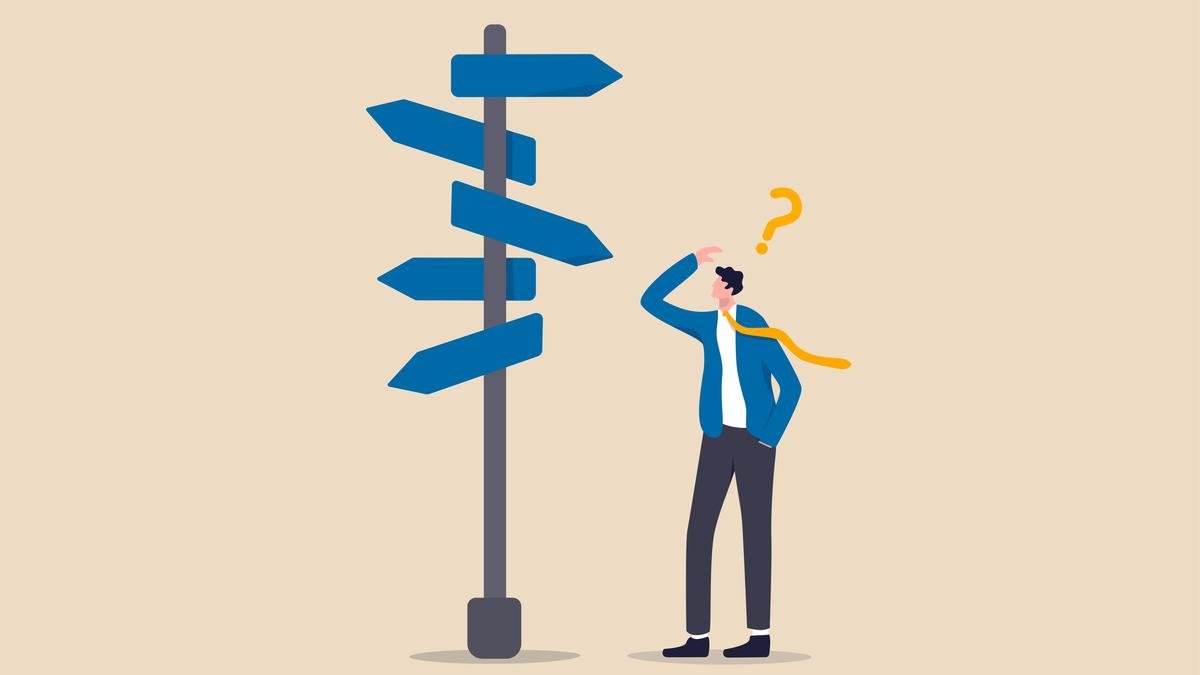
## Understanding the “Crossroads” Survey
The recent apprehension arose from an email sent by the agency to its registered learners, titled “NPTEL at a Crossroads: What should happen next?” The communication acknowledged that the programme is currently supported by Ministry of Education funding, which subsidizes both course enrollment and the fees for physical proctored certification exams.
The survey presented users with a stark set of possibilities: either the introduction of nominal fees for course access in the event of a funding withdrawal, or the discontinuation of the program entirely. This prompted immediate backlash and inquiries on social media, with students and educators questioning whether the government intended to halt support for the platform, potentially shifting the burden of costs onto low-income households.
## Policy Clarifications and Future Sustainability
In response to the public discourse, NPTEL clarified that the survey was intended solely to gauge learner feedback and did not signal any immediate cessation of government funding. The agency reiterated that no changes to the current fee structure—which stands at ₹1,000 for proctored exams—are pending.
The discussion, however, highlights a broader policy conversation regarding the scalability of open digital ecosystems. In the 2026-27 financial year, the Ministry of Education allocated ₹650 crore for an integrated digital ecosystem, covering platforms like SWAYAM, the Academic Bank of Credits, and DigiLocker. While NPTEL is a vital component of this infrastructure, the move toward exploring “self-sustaining models” by 2027 reflects a global trend in public policy: trying to balance long-term financial viability with the mandate to keep quality education affordable.
## The Impact on Students
For the over 1.5 million candidates who registered for the July 2026 semester exams, the uncertainty surrounding NPTEL’s future is profound. The platform is not merely a library of videos; it is a critical component of the academic ecosystem that allows for formal credit recognition.
As India continues to push for universal access to higher education, the NPTEL model serves as a case study in the challenges of maintaining large-scale digital education projects. While the government has emphasized its commitment to the National Mission on Education through Information and Communication Technology (NMEICT), the dialogue initiated by the survey underscores the need for a transparent, sustainable framework that preserves accessibility for all students, ensuring that the dream of “education for all” remains a reality rather than a casualty of changing economic models.
Disclaimer: This content is auto-generated for informational purposes only.
Source: Read Original News