






California Governor Gavin Newsom has unveiled a $44 million infusion of funding aimed at bolstering the state’s environmental conservation efforts. The allocation, which covers 15 distinct projects across 11 counties, is a critical step toward the state’s ambitious “30×30” initiative—a commitment to conserve 30% of California’s lands and coastal waters by the year 2030.
While the initiative focuses heavily on physical ecological restoration, the integration of modern geospatial technology, AI-driven climate modeling, and digital documentation is playing an increasingly vital role in how these land-management projects are tracked and executed.
## Leveraging Data for Ecological Stewardship
The state’s approach to land conservation is evolving through the use of high-resolution satellite imagery and cloud-based environmental monitoring. Platforms such as Google Earth Engine have become essential for organizations receiving these grants, as they allow for the analysis of forest health, changes in wetland density, and the tracking of invasive species over time.
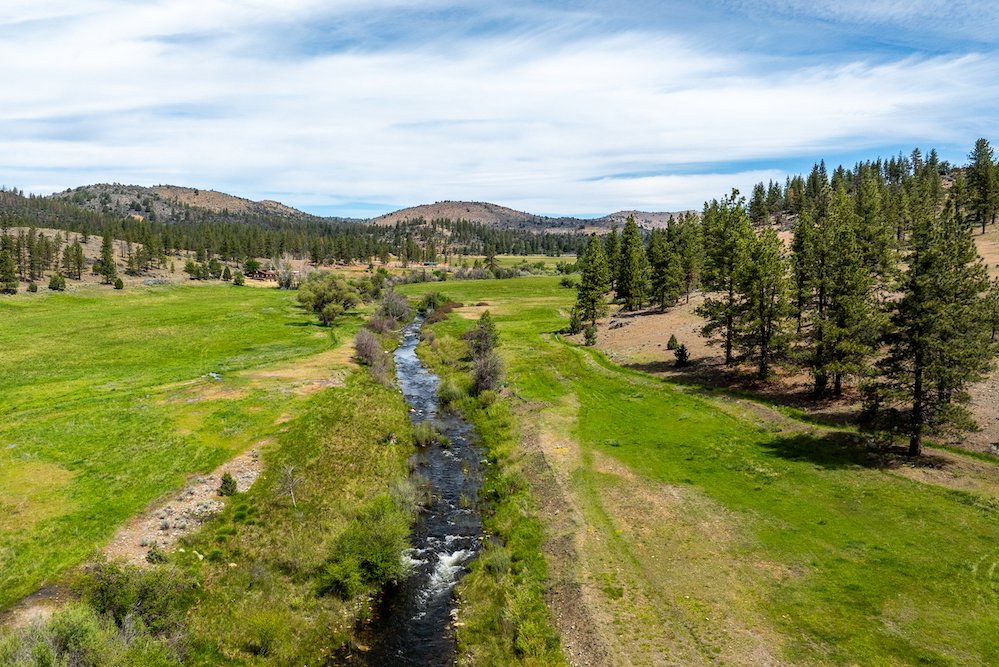
For the projects funded in this latest round, including the restoration of the 80-acre Politsuwi property in Lake County, precision data is paramount. The Tribal EcoRestoration Alliance, which will manage the land, can utilize advanced mapping tools to monitor oak woodland recovery and stream health. By feeding historical climate data into AI-powered predictive models, land managers can better anticipate shifts in local ecosystems, ensuring that restoration efforts are resilient to the increasingly volatile climate conditions seen across the American West.
## Supporting Tribal Sovereignty and Land Return
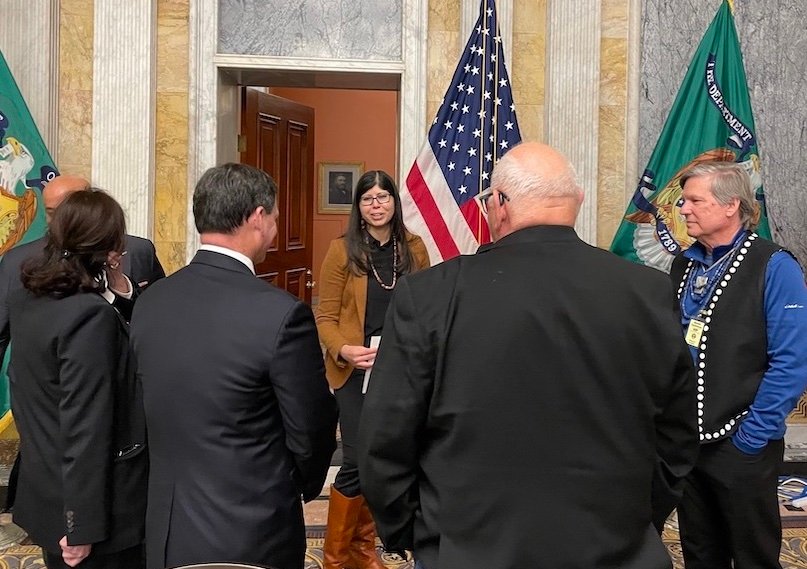
A central pillar of the $44 million investment is the prioritization of Indigenous-led stewardship. The state has already funneled over $200 million into returning more than 100,000 acres to Native American tribes. This move represents a shift in environmental policy that blends traditional ecological knowledge (TEK) with contemporary scientific frameworks.
“These investments are about standing with tribes and communities, restoring the ecosystems we all depend on, and protecting the natural heritage of generations to come,” Governor Newsom said in a recent statement. By empowering the Robinson Rancheria, the Scotts Valley Band of Pomo Indians, and the Habematolel Pomo of Upper Lake to manage their ancestral lands, the state is facilitating a model where cultural preservation and ecological health are treated as mutually reinforcing objectives. These organizations are increasingly adopting digital project management tools to report progress back to the California Wildlife Conservation Board, streamlining the transparency of state-funded initiatives.
## Expanding Protected Corridors and Wildlife Habitats
The funding is not limited to tribal lands; it encompasses massive biodiversity corridors aimed at protecting threatened species. A significant $11.5 million grant was awarded to The Wildlands Conservancy to secure 14,177 acres in Siskiyou County. By expanding the Beaver Valley Headwaters Preserve, the project aims to stabilize salmon and steelhead populations in the Scott River.
In the high desert, the Mojave Desert Land Trust received $7.5 million to conserve over 1,000 acres near Yucca Grove, a crucial step for the protection of the Mojave desert tortoise and Joshua tree woodlands. Additionally, $4 million is earmarked for the Tahoe Resource Conservation District to restore meadows along the Upper Truckee River.
As these projects get underway, the intersection of nature and technology remains clear. From the use of mobile GPS applications for field workers documenting wildlife sightings to AI-driven hydrology reports that guide meadow restoration, the digital infrastructure provided by companies like Google continues to underpin California’s green initiatives. By digitizing the physical landscape, the state is creating a sustainable blueprint that ensures these environmental investments yield measurable, long-term dividends for the public and the diverse ecosystems they are meant to protect.
Disclaimer: This content is auto-generated for informational purposes only.
Source: Read Original News