







The Technical Hurdle of Modern Smartphone Power
For years, the smartphone industry has pursued a singular objective: increasing device longevity without significantly increasing the physical dimensions of the hardware. The advent of silicon-carbon battery chemistry has proven to be a breakthrough in this endeavor. By utilizing higher-density cells, manufacturers can pack more energy into the same physical footprint. However, a significant regulatory barrier has impeded the global distribution of these high-capacity power units. Under current international shipping regulations, specifically those governing the transport of lithium-ion batteries, any individual cell exceeding 20Wh is subject to stringent safety protocols.
This 20Wh threshold has created a difficult dilemma for hardware manufacturers. To comply with international safety standards, companies have historically been forced to either split a large battery into multiple smaller cells—a process that increases engineering complexity and internal space consumption—or intentionally limit the capacity of the batteries sold in specific markets like Europe and the United States. This regulatory bottleneck has often resulted in performance disparities between regional versions of the same device.
Apple’s Software-Defined Shipping Solution
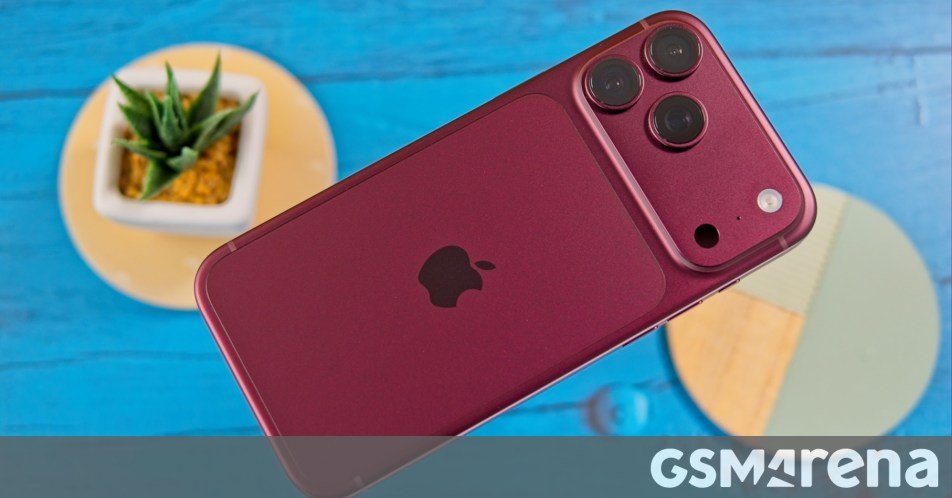
To address this challenge with the launch of the iPhone 18 Pro Max, Apple has implemented an ingenious software-based bypass that effectively circumvents these shipping restrictions. According to official support documentation, the device is shipped from the factory with a specialized firmware limitation. This firmware restricts the charge capacity of the battery to remain strictly under the 20Wh threshold during transit.
When a consumer removes the device from its packaging and initiates the initial setup sequence, the operating system detects the activation process. Once the initial configuration is complete, the software-level restriction is permanently lifted. This allows the user to access the full potential of the battery, which for the US eSIM-only model is rated at 5,567mAh (approximately 21.75Wh). This approach allows the device to navigate the global supply chain as a low-energy battery unit while providing the user with high-performance, high-capacity hardware once it reaches their hands.
Regional Disparities and Technical Specifications
The physical battery capacity of the iPhone 18 Pro Max varies slightly depending on the regional model, largely due to the internal architecture required for different connectivity standards. The US version, designed exclusively for eSIM technology, features a 5,567mAh battery. Conversely, the European version, which incorporates the space-consuming hardware for a physical SIM card slot, houses a 5,391mAh battery, equating to roughly 21.06Wh.
It is critical for consumers and analysts to distinguish between “rated” capacity and “typical” capacity. The figures cited by Apple refer to the rated capacity of the cells. This is a conservative measurement of the energy potential that should not be directly equated to the typical capacity ratings often touted in marketing materials for Android devices. Despite this, the move to surpass the 20Wh limit in both markets represents a significant jump in energy density for a single-cell design.
Regulatory Landscape and Future Policy
The legitimacy of this shipping method is supported by the United States transport regulator, which granted specific authorization for this practice in June 2025. While other international bodies, including the ADR, IATA, and ICAO, have yet to issue formal, updated policy declarations, the presence of the iPhone 18 Pro lineup on store shelves throughout the European Union indicates a tacit acceptance of this methodology.
The current 20Wh restriction is increasingly viewed as an artifact of an older technological era. In 2026, the UN Sub-Committee of Experts on the Transport of Dangerous Goods began evaluating proposals to modernize these regulations. The committee acknowledged that the current 20Wh boundary fails to account for the efficiency of modern silicon-carbon chemistry. A single-cell battery that exceeds the limit is functionally identical in safety profile to multiple smaller cells that, when combined, would exceed the same limit. Regulatory bodies are currently working toward a comprehensive update of these standards, which is expected to conclude around 2029.
User Empowerment and Industry Precedent
One of the most notable features of this implementation is the inclusion of user-level control. Apple has provided a mechanism for users to toggle this feature if they intend to transport the device internationally. By enabling the shipping restriction, users can ensure their device remains compliant with air travel and shipping safety regulations while moving between different jurisdictions. Once the device reaches its destination, the user can disable the restriction again, restoring the full capacity of the battery.
This development sets a significant precedent for the mobile industry. By utilizing software to manage physical hardware limitations, Apple has provided a blueprint for other manufacturers to follow. This approach likely signals the end of regional hardware fragmentation, where users in different parts of the world receive different levels of device performance. As manufacturers adopt similar strategies, consumers can expect more uniform hardware experiences globally, unconstrained by outdated shipping regulations. The transition toward high-density, single-cell battery designs, facilitated by intelligent software management, represents a new standard for smartphone hardware engineering.
Disclaimer: This content is auto-generated for informational purposes only.
Source: Read Original News