




A New Era of Hardware Compatibility
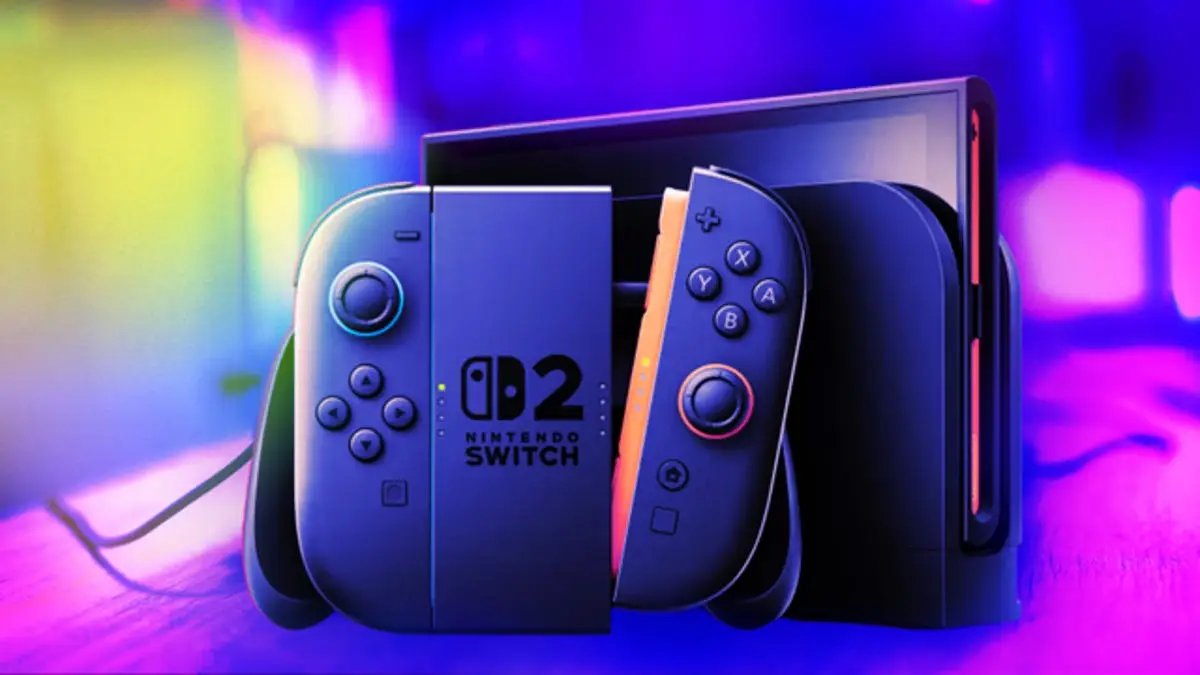
Nintendo is currently executing an extensive initiative to ensure that the vast majority of the existing Nintendo Switch library remains fully functional on its successor hardware. This effort, often referred to within the industry as forward compatibility, represents a significant shift for the gaming giant. By working closely with third-party developers, Nintendo aims to create a seamless transition for users moving from the current generation of hardware to the upcoming platform, widely discussed as the Nintendo Switch 2.
The primary objective is to maintain software integrity. For years, the Nintendo Switch has functioned as a central hub for indie developers and major AAA publishers alike. As these developers begin to look toward the future, the prospect of porting or updating older titles for new, more powerful architecture often presents technical hurdles. Nintendo’s direct intervention suggests a robust software layer—potentially an emulation or translation suite—that allows existing codebases to run with minimal intervention, or in some cases, with automatic performance enhancements.
The Mechanics of Backward Compatibility
At the heart of this initiative is the ability for the new hardware to recognize and execute binary files written for the Tegra X1 chipset used in the current Switch. Reports indicate that Nintendo is refining the internal infrastructure of the next console to handle the nuances of the previous iteration’s hardware protocols. This means that if a game was developed using specific APIs inherent to the current Switch ecosystem, the new hardware should be able to parse those commands without forcing developers to rewrite the entire backend of their applications.
For third-party studios, this is a substantial advantage. Historically, moving to a new console generation required dedicated time, budget, and labor to rebuild software for different GPU architectures or system firmware. By streamlining this, Nintendo allows developers to spend their resources on original projects rather than repetitive maintenance. This ensures that the launch library for the upcoming console will not be sparse, but rather bolstered by thousands of titles that have already proven their value in the marketplace.
Performance Enhancements and Resolution Scaling
One of the most anticipated aspects of this compatibility strategy is the potential for performance improvements. While the core game logic must remain consistent, the new console is expected to feature increased processing power, larger memory pools, and modern graphical features like hardware-accelerated ray tracing or artificial intelligence-based upscaling.
Developers are being guided on how to implement patches that allow older software to detect the new hardware environment. In practice, this could mean that games previously locked to 30 frames per second might see performance stability improvements or higher internal rendering resolutions. By leveraging better silicon, the system could theoretically upscale 1080p images to 4K using advanced reconstruction techniques, providing a visual refresh to classics without requiring an entirely new remastering process. This creates a dual benefit: users preserve their digital collections, and those collections benefit from the increased overhead of the new hardware.
Maintaining Third-Party Ecosystem Stability
Nintendo has built its current success on a diverse library of third-party games. From expansive open-world titles to complex simulation games, the Switch ecosystem is home to software that pushed the limits of the original hardware. If these games were to become inaccessible, it would alienate a massive user base that has invested heavily in digital storefronts.
By mandating that third-party developers review their software for compatibility, Nintendo is protecting the continuity of its digital ecosystem. This move serves as a bridge between the current generation and the next, ensuring that players view the console transition not as a loss of access, but as an upgrade to their existing library. It also signals to investors and publishers that Nintendo is committed to long-term software retention, a strategy that aligns the company more closely with modern PC gaming standards, where hardware is decoupled from software access.
Strategic Impact on the Gaming Market
The broader market impact of this strategy cannot be understated. By ensuring that the current Switch catalog is ready for the new console, Nintendo minimizes the risks associated with hardware adoption. Often, a new console fails to gain traction because the launch lineup is insufficient to justify the cost. By effectively launching with a library of thousands of titles, the new console will have a distinct competitive advantage.
Furthermore, this move strengthens the relationship between Nintendo and its third-party partners. Developers who have optimized their engines for the current architecture can now carry that work forward, ensuring their legacy titles remain discoverable and playable for years to come. This reduces the fragmentation of the gaming market and encourages publishers to continue supporting the platform, knowing that their work will remain relevant through generational cycles.
Looking Toward a Unified Future
As the industry moves toward more iterative hardware cycles, the rigid lines between console generations are blurring. Nintendo’s push for compatibility reflects an understanding that consumer loyalty is built upon the persistence of a library. The technical labor required to achieve this is significant, but the payoff is a platform that respects the player’s time and investment.
When the new console arrives, players can expect a familiar experience enhanced by modern standards. Whether through native code execution or sophisticated translation layers, the ability to carry forward a digital identity and a growing collection of titles will define the next phase of Nintendo’s strategy. As third-party developers continue to test and verify their portfolios, the foundations are being laid for one of the most accessible transitions in modern gaming history. The focus remains on the software, ensuring that the games players love today continue to evolve alongside the technology that powers them.
Disclaimer: This content is auto-generated for informational purposes only.
Source: Read Original News