








Strengthening Regulatory Oversight in the Indian Pharmaceutical Market
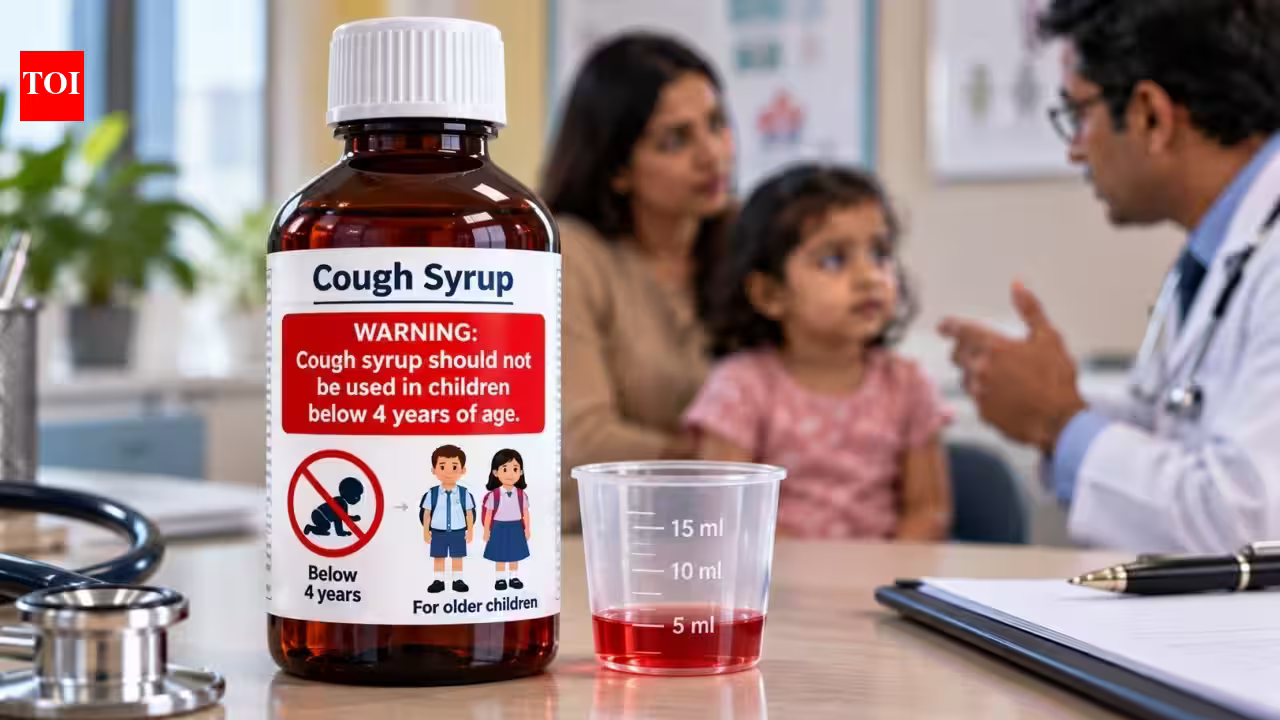
The Indian pharmaceutical sector is currently undergoing a significant regulatory transformation as the government moves to curb the inappropriate use of cough syrups, particularly in pediatric demographics. Recent policy developments, including proposed changes to packaging and the tightening of prescription mandates, signal a transition toward more stringent safety oversight. The proposal to introduce prominent red warning labels on cough syrup bottles, specifically cautioning against their use in children under four years of age, marks a decisive shift in how pharmaceutical companies must communicate product safety.
This shift is rooted in long-standing health concerns regarding the efficacy and safety profiles of over-the-counter (OTC) cough medications for infants. Despite previous advisories issued by the Directorate General of Health Services (DGHS) discouraging the use of these formulations for very young children, clinical practice has been slow to adapt. The persistence of these prescribing habits has prompted the Central Drugs Standard Control Organisation (CDSCO) and the Drugs Technical Advisory Board (DTAB) to intervene through structural regulatory changes. By targeting the point of purchase—the product label—regulators are aiming to bridge the gap between clinical guidance and actual consumer behavior.
The Shift from Over-the-Counter to Prescription-Only Models
A pivotal development in this regulatory evolution is the June 2026 amendment to the Drugs Rules, 1945, which effectively removed syrup-based medicines from the OTC category. By deleting “syrups” from Schedule K, the Ministry of Health and Family Welfare has mandated that these products can no longer be sold without a valid medical prescription. This move has major implications for the Indian pharmacy retail landscape and the supply chain.
For decades, cough syrups occupied a unique space in the Indian market as a staple household remedy, often purchased without professional medical consultation. The transition to a prescription-only model is designed to increase the role of registered medical practitioners in assessing the necessity of these medications. This regulatory pivot addresses two primary concerns: the potential for medication errors in self-medicating households and the risk of adverse health outcomes resulting from the administration of inappropriate dosage forms to vulnerable pediatric patients. Pharmaceutical retailers now face the operational necessity of stricter record-keeping and compliance with the updated Drugs and Cosmetics Act provisions, marking an end to the era of unrestricted access to these syrup formulations.
Packaging Innovations as Public Health Tools
The proposal to introduce visual cues on packaging is a strategic attempt to use product design as a mechanism for public health communication. Recognizing that textual warnings on medicine labels are sometimes overlooked, the CDSCO is examining a proposal to include a pictorial depiction of school-age children on the bottle. The rationale is to communicate the intended demographic clearly and instantaneously, bypassing linguistic or literacy barriers that might affect a consumer’s understanding of traditional labels.
This move aligns with global trends in pharmaceutical packaging where visual iconography is increasingly employed to prevent medication misuse. If implemented, this mandate would require manufacturers to redesign existing packaging, necessitating significant adjustments in production and inventory management. The inclusion of a red warning box—a standard color for signaling high-risk or prohibited categories in global regulatory frameworks—serves as a permanent physical reminder at the point of administration. This initiative reflects a broader trend within the Indian regulatory environment to empower parents and caregivers with clear, non-negotiable safety information directly on the product, thereby reducing the dependency on verbal instruction from pharmacists or physicians.
Impact on Stakeholders and Market Dynamics
The tightening of these regulations creates a ripple effect across the pharmaceutical value chain. For manufacturers, the immediate consequence involves the costs associated with re-labeling and rebranding to meet the new statutory requirements. Companies must now navigate the compliance landscape to ensure that all syrup formulations align with the amended Drugs Rules while maintaining market continuity.
For the medical community, these policies reinforce the necessity of evidence-based prescribing. The involvement of the Indian Council of Medical Research (ICMR) and various technical committees underscores a government effort to base these regulations on robust clinical data rather than administrative convenience alone. While some stakeholders may initially view these mandates as a hurdle, the long-term industry view suggests that increased safety standards are essential for the reputation of the domestic pharmaceutical industry, particularly as it faces heightened scrutiny in global export markets.
Furthermore, the impact on pharmacy retailers is substantial. The mandate requires staff training to ensure compliance with the new prescription requirements, potentially altering customer footfall and purchasing patterns. While the ease of access to common cold remedies may decrease for the average consumer, the regulatory shift is expected to improve health outcomes by reducing the prevalence of preventable pediatric complications linked to improper cough syrup administration.
Future Trajectory of Pharmaceutical Regulation in India
The ongoing efforts to restrict the use of cough syrups in young children represent a larger shift in the Indian regulatory climate. As the country moves toward higher global standards for drug regulation, the emphasis on accountability—from the manufacturer’s label to the doctor’s prescription pad—will likely intensify.
The integration of these changes into the Drugs Rules, 1945, suggests that the government is focused on institutionalizing safety protocols that are difficult to bypass. Future initiatives may focus on digital tracking of prescriptions to further ensure that these medications are being dispensed under professional oversight. The collaboration between the Ministry of Health, the CDSCO, and medical research bodies indicates a multi-stakeholder approach to solving the issue of pediatric safety.
As the industry adjusts to these new mandates, the primary focus for manufacturers and distributors will be to ensure seamless compliance without disrupting the availability of essential medicines for the age groups they are truly intended for. The transition toward a more tightly regulated environment for syrup-based medicines is expected to serve as a blueprint for the regulation of other segments within the OTC market, ultimately fostering a more responsible and safety-conscious pharmaceutical sector in India. By prioritizing clinical outcomes over ease of distribution, the government is effectively modernizing the nation’s drug control framework to safeguard its most vulnerable population.
Disclaimer: This content is auto-generated for informational purposes only.
Source: Read Original News