







BlizzCon 2026 served as a major turning point for Blizzard Entertainment, signaling a departure from its traditional PC-exclusive focus. With significant announcements surrounding the future of its most iconic franchises—including Diablo V, a new StarCraft squad-shooter, and the reveal of World of Warcraft: Forever—the developer has begun to acknowledge the growing demand for console integration.
The Shift Toward Native Controller Support
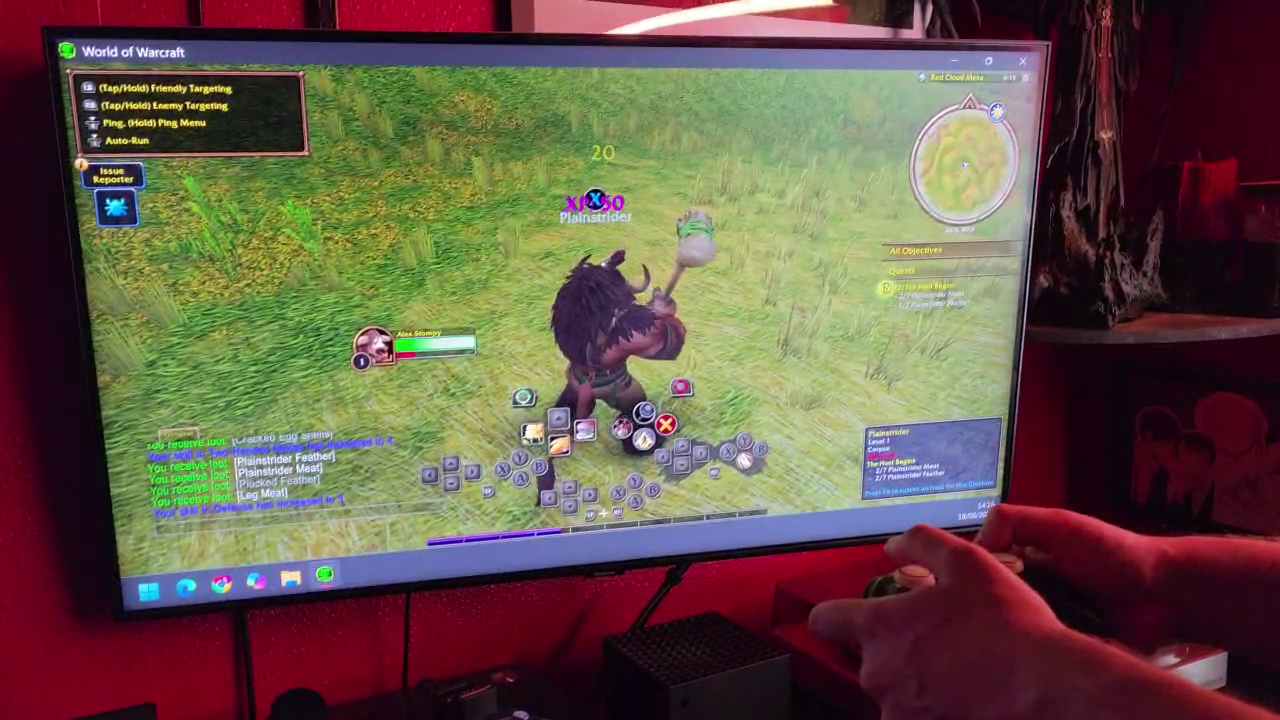
A critical development for the studio is the inclusion of native Xbox controller support for World of Warcraft: Forever, launching in November 2026. Historically, players wishing to play World of Warcraft on a gamepad relied on third-party modifications like Console Port to map abilities and manage interface elements. The integration of native support indicates a shift in design philosophy, making the game more accessible to players who prefer couch-based gaming.
The controller implementation utilizes a layered system. Players can assign 32 distinct keybinds by using combinations of the Left Trigger (LT) and Right Trigger (RT) alongside the face buttons and the directional pad. Additionally, the interface includes a radial menu triggered by the controller’s Menu button, streamlining navigation through bags, character sheets, and talent trees. Targeting systems for both allies and enemies have also been overhauled to provide a fluid experience without the precision of a mouse and keyboard.
Expanding the Console Footprint
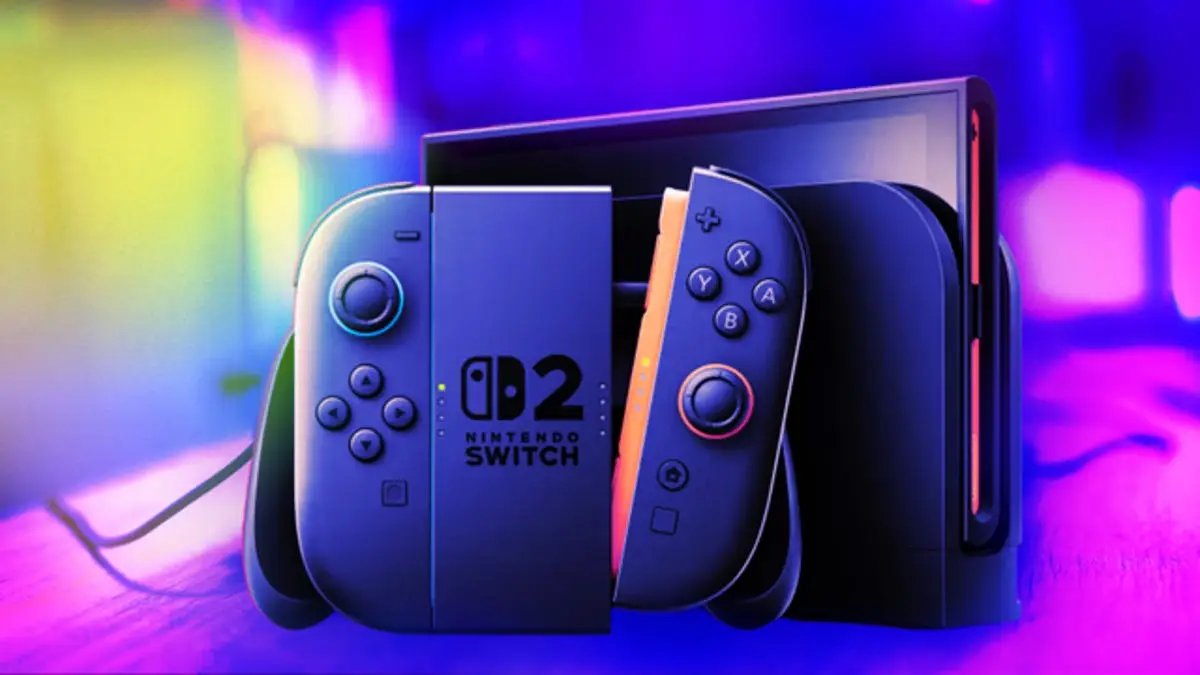
While Blizzard continues to emphasize a PC-first strategy, the technical infrastructure is clearly evolving to support broader platforms. The announcement that Diablo 4 will arrive on the Nintendo Switch 2 marks a significant milestone in cross-platform availability. This capability is aided by the scalability of modern game engines, which allows older or less demanding titles to run at stable high frame rates on portable hardware.
For titles like World of Warcraft: Forever, the technical requirements for a console port are arguably lower than for modern, graphically intensive retail expansions. Because the game is based on classic, lower-polygon assets, it is highly optimized for various hardware configurations. This accessibility makes it a prime candidate for a potential future launch on Xbox or other consoles, particularly as Blizzard continues to refine its gamepad input methods.
Challenges for RTS and MOBA Portability
Despite the success of controller-based strategies in titles like Age of Empires, the Real-Time Strategy (RTS) genre remains difficult to adapt for consoles. Warcraft 3 developers have expressed that while bringing their game to consoles is a theoretical possibility, the development resources required to ensure an intuitive control scheme often outweigh the potential market gain.
Heroes of the Storm faces a different landscape. As a Multiplayer Online Battle Arena (MOBA), it occupies a space where console competition is currently dominated by established titles like Smite and Pokémon Unite. These games have demonstrated that movement and ability aiming can be effectively mapped to analog sticks and triggers. While lead developer James Yen confirmed that the immediate priority is revitalizing the PC base and delivering new hero content like Xal’atath, the structural foundation for a future console migration exists.
The Inevitability of Future Ports
The industry trend toward cross-platform play is becoming difficult to ignore. Many players who grew up with PC titles have transitioned to consoles and now seek ways to engage with their favorite legacy franchises without returning to a dedicated desktop setup.
The strategy of “never say never” applied by developers at BlizzCon implies that while current production cycles remain focused on PC stability and content expansion, the internal roadmap is increasingly flexible. As Blizzard updates its infrastructure to support native gamepad inputs, the technical barriers to entry for PlayStation, Xbox, and portable devices are rapidly disappearing.
Impact on the Blizzard Ecosystem
The long-term impact of these changes is a more unified player base. By normalizing controller inputs, Blizzard is effectively lowering the barrier to entry for its massive back catalog. If World of Warcraft: Forever proves successful in its native controller-supported state on PC, the business case for a console port becomes much stronger.
For now, the focus remains on the “Forever” and “Classic” branding, which emphasizes providing content that resonates with long-term fans while modernizing the interface to suit contemporary hardware preferences. Whether or not this leads to a full-scale console expansion in the coming years remains to be seen, but the clear message from BlizzCon 2026 is that the walls separating PC-exclusive genres from the console market are becoming increasingly porous.
Disclaimer: This content is auto-generated for informational purposes only.
Source: Read Original News