






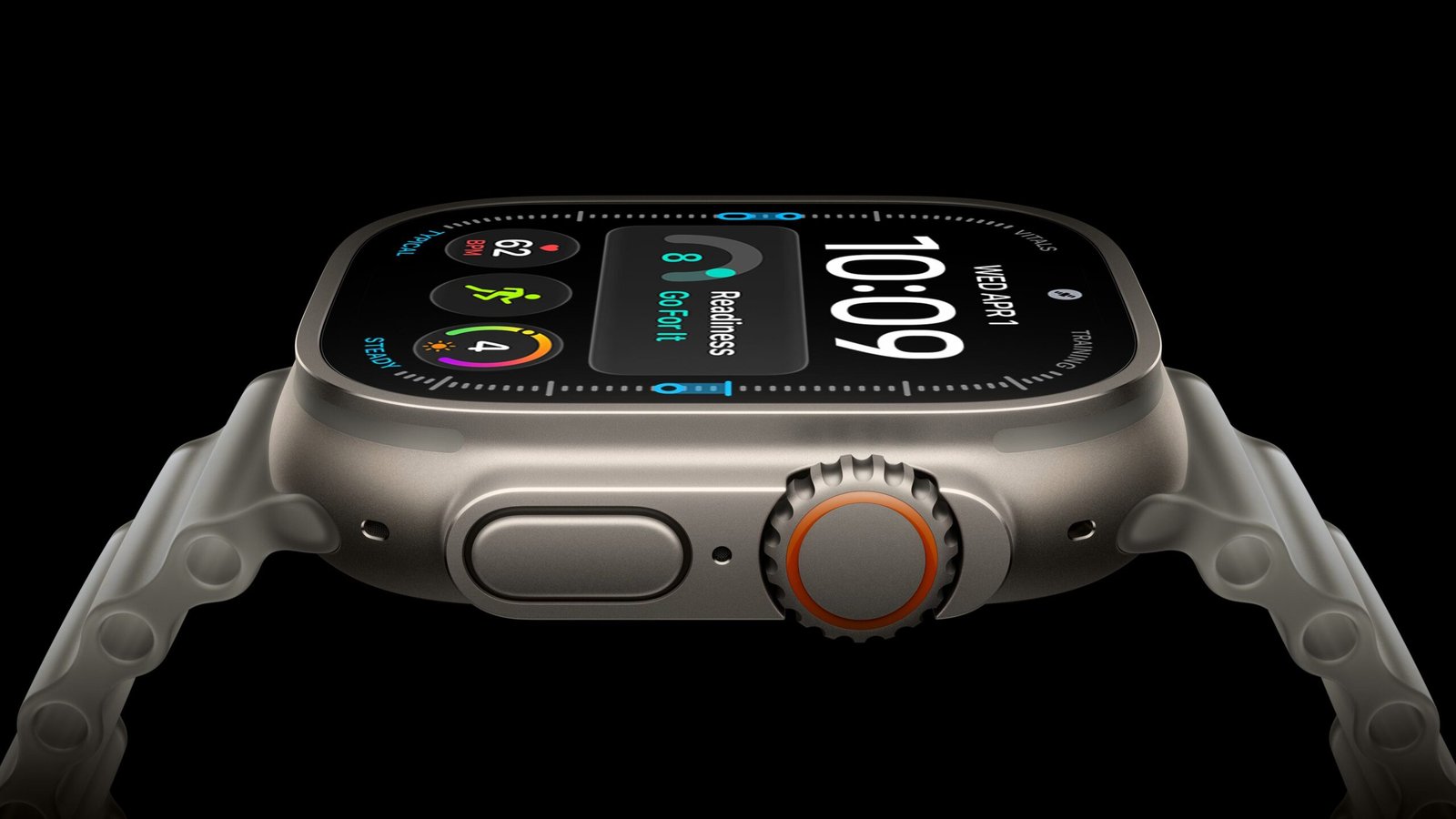
The Evolution of the Apple Watch Ultra 4
The release of the Apple Watch Ultra 4 marks a significant milestone in wearable technology, pushing the boundaries of what a performance-focused smartwatch can achieve. Building upon the legacy of its predecessors, the Ultra 4 introduces refined hardware architectures and enhanced software integration designed for high-stakes environments. The device continues to prioritize ruggedness and advanced sensor accuracy, catering to athletes, explorers, and professionals who require more than what a standard consumer-grade smartwatch provides.
With its titanium housing and high-visibility display, the Ultra 4 maintains the design philosophy that defined the line while optimizing internal components for efficiency. The primary advancements reside in the proprietary chipset, which enables faster data processing, improved power management, and more sophisticated machine learning tasks executed directly on the device. This allows for real-time analysis of biometric data without the latency associated with cloud-based computation, an essential feature for those tracking performance metrics in remote or extreme conditions.
Performance Metrics and Technical Specifications
Under the hood, the Apple Watch Ultra 4 leverages a high-efficiency processor that facilitates complex health monitoring algorithms. This iteration introduces enhanced battery longevity, supported by dynamic power-draw adjustments that recognize user behavior. For instance, the system intelligently modulates background processes when it detects high-intensity activity, ensuring that the sensor array remains operational during extended outdoor excursions.
The sensory suite includes refined altimeters, depth gauges for diving, and improved GPS accuracy through multi-frequency signal reception. These hardware upgrades are essential for providing precise telemetry in dense urban environments or deep wilderness areas where signal reflection and interference often plague traditional GPS systems. Furthermore, the integration of specialized health sensors provides a granular view of physiological output, enabling users to calibrate their exertion levels more effectively during training sessions or endurance events.
Market Availability and Pricing Dynamics
The launch of the Apple Watch Ultra 4 has been accompanied by immediate retail activity, with major platforms offering the first wave of competitive pricing. Initial market data suggests that the Natural titanium finish remains the most sought-after variant, particularly when bundled with performance-oriented bands such as the Ocean Band, Sand Trail Loop, or Desert Alpine Loop. By offering these at a price point slightly lower than the manufacturer’s suggested retail price, retailers are positioning the Ultra 4 as an accessible entry point for power users looking to upgrade their current equipment.
This pricing strategy serves a dual purpose: it drives volume for a newly released high-end device while simultaneously creating demand in the broader wearable category. As the Ultra 4 becomes the standard for ruggedized Apple wearables, the secondary market impact suggests a high retention value for the hardware, reinforcing the brand’s position in the premium segment.
Series 12 Integration and Ecosystem Parity
Complementing the Ultra 4 is the launch of the Apple Watch Series 12, which targets a broader demographic by focusing on core functionality, health tracking, and seamless integration with the Apple ecosystem. While the Ultra 4 occupies the top tier, the Series 12 introduces hardware efficiencies that were previously limited to larger or more expensive models. Available in 42mm and 46mm sizes, these units emphasize form factor and display brightness, offering a more comfortable experience for daily use.
Technically, the Series 12 bridges the gap between casual fitness tracking and professional health diagnostics. Its inclusion of advanced activity sensors and improved battery performance makes it an ideal device for individuals managing daily wellness, remote communication, and home automation control. The parity in software features across both the Ultra and Series product lines ensures that the user interface remains consistent, regardless of which hardware tier a user chooses to adopt.
Practical Applications and Industry Impact
The impact of the Apple Watch Ultra 4 and Series 12 extends beyond consumer utility, influencing how health and activity data are interpreted in a clinical and training context. For developers, these devices represent a platform for creating highly accurate fitness applications that rely on persistent, high-frequency data collection. The ability to monitor heart rate, blood oxygen levels, and movement patterns with precision allows for the development of adaptive training programs that adjust in real-time based on the user’s current physical state.
In industrial and field settings, the durability of the Ultra 4 allows professionals to leverage the watch as an edge-computing tool. From monitoring environmental safety data to managing emergency communication, the integration of specialized apps transforms the wearable from a fitness tracker into a vital piece of field equipment. As hardware continues to evolve, the distinction between a specialized sports watch and a multi-functional personal computer continues to diminish, positioning the watch as a central hub for personal technology management.
The Future of Wearable Computation
Looking forward, the developments seen in the 2026 product cycle suggest a focus on further decentralizing computation from the smartphone to the wrist. The efficiency gains in the latest chipset architectures imply that future iterations will likely focus on increased autonomy—reducing the need for frequent connectivity to external devices. With advancements in battery technology and sensor miniaturization, the trajectory of the Apple Watch suggests a path toward more sophisticated, autonomous systems capable of deeper diagnostics and long-term predictive health modeling.
The immediate availability of these devices at competitive prices allows for rapid adoption, ensuring that the latest technological advancements are distributed to a wide user base. By maintaining high performance standards and aggressive feature rollouts, the current lineup effectively sets the tone for the upcoming year of personal technology development.
Disclaimer: This content is auto-generated for informational purposes only.
Source: Read Original News