

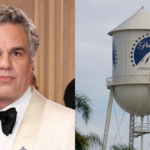




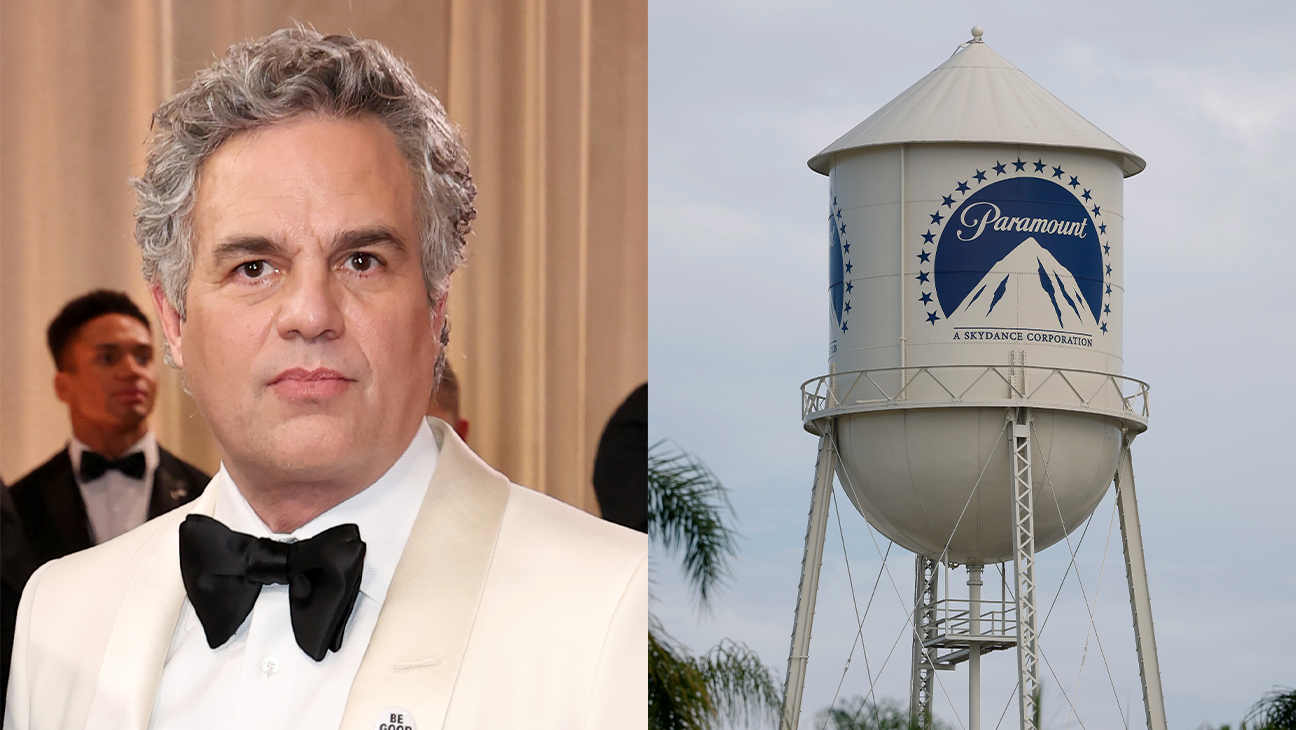
Mark Ruffalo has issued a fiery public plea to California Attorney General Rob Bonta, urging him to stand firm against a potential settlement in the high-stakes antitrust lawsuit challenging Paramount’s proposed acquisition of Warner Bros. Discovery. The actor, a vocal critic of the deal, took to social media to warn Bonta against “caving” to corporate pressure as reports surface that the two sides are nearing a resolution.
The controversy highlights the intensifying intersection of corporate media power, antitrust regulation, and the growing influence of advocacy from Hollywood’s creative class.
The Mounting Pressure on the Attorney General
Reports from The Wall Street Journal suggest that Paramount and a coalition of 12 state attorneys general, led by Bonta, are in the final stages of closing a settlement regarding the merger. The lawsuit, which was initially filed in July, argued that combining two of the industry’s “Big Five” studios would stifle market competition, result in higher prices for consumers, and reduce the overall variety and quality of film content.
Ruffalo, leveraging his platform to support a broader petition against the merger, did not mince words in his post on X. He directly addressed Bonta, stating, “5,670 filmmakers put their necks on the line for you to fight this merger. Another 75,000+ and counting have signed to tell you not to concede… You work for the people—the very people who will be hurt if you let this lousy deal filled with empty promises go forward.”
Tech Ties and Corporate Scrutiny
The opposition to the merger has increasingly focused on the role of big tech in the media landscape. Ruffalo has been particularly vocal regarding the influence of Oracle, founded by the father of David Ellison—who is spearheading the effort to acquire Paramount. The actor has publicly highlighted concerns regarding Oracle’s technological ties to the Israeli military, suggesting that the corporate consolidation could have ethical ramifications beyond the traditional economic concerns of a studio merger.
Paramount has vehemently pushed back against these claims. A company spokesperson previously labeled Ruffalo’s comments as “antisemitic,” stating that invoking tropes within the context of a business dispute is both dishonest and a “bridge too far.” Ruffalo has since fired back at these accusations, describing them as “appalling and fundamentally dishonest,” emphasizing that his critique is focused on corporate power and ethical accountability rather than identity.
A Legal Landscape Strained by Antitrust Concerns
The legal battle has already significantly hampered the progress of the acquisition. In late July, U.S. District Judge Araceli Martínez-Olguín issued a temporary restraining order, which was subsequently extended, effectively forcing the deal into a state of limbo. Paramount eventually agreed to pause the acquisition process entirely until the court determines whether the merger violates antitrust laws.
This case serves as a pivotal test for regulators who are increasingly wary of the “Big Tech-meets-Big Media” era. As AI-driven distribution models and cloud-based infrastructure—such as those provided by Oracle—become the backbone of entertainment conglomerates, the scrutiny surrounding these deals has intensified. For the Attorney General’s office, the challenge lies in balancing the economic realities of a changing industry against the concerns of creatives who argue that such consolidation creates an environment where only a few massive entities can survive.
As the situation develops, the outcome of this settlement will likely serve as a blueprint for how future media mergers involving tech giants are handled in the U.S. judicial system, proving that the digital age of cinema is as much about courtroom strategy as it is about the stories being told on screen.
Disclaimer: This content is auto-generated for informational purposes only.
Source: Read Original News