






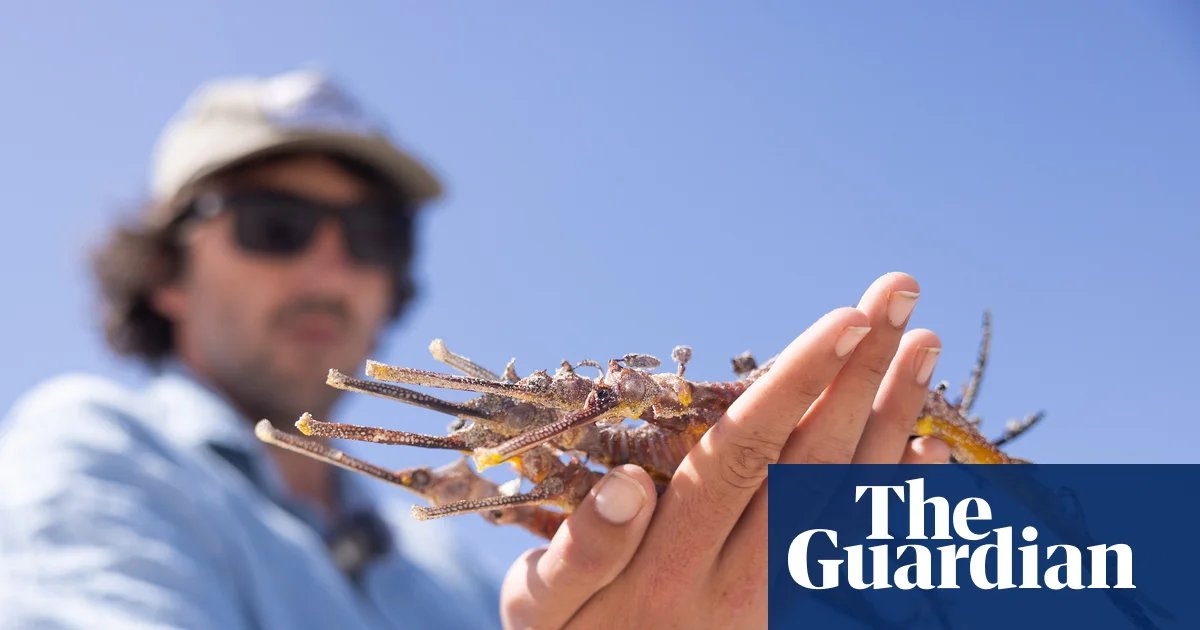
Thousands of sea dragons, pipefishes, and seahorses have perished in what ecologists are calling the most severe mass mortality event for the Syngnathidae family ever recorded globally. The unprecedented loss occurred during a devastating toxic algal bloom that has ravaged the South Australian coastline since March 2025.
New analysis of citizen science records by Dragon Search SA reveals the staggering scale of the disaster, confirming the death of more than 1,600 weedy and leafy sea dragons, 1,400 pipefishes, and 160 seahorses. While the bloom originated in early 2025, it continues to linger in parts of the southern Spencer Gulf, signaling a prolonged environmental crisis.
South Australia serves as a global hotspot for the Syngnathidae family, hosting over 30 distinct species. At least 13 of these have been significantly impacted by the bloom, which is linked to the rare and toxic algae Karenia cristata. This is the first recorded instance of this species causing such widespread destruction in Australian waters, with over 800 total marine species impacted across the region.
The leafy sea dragon, the official marine emblem of South Australia, is of particular concern to the scientific community. Found exclusively in Australian waters, these creatures have seen their populations “decimated” in what experts describe as the center of their global distribution. Prof David Booth, a marine ecologist at the University of Technology Sydney, noted that the conservation status of the leafy sea dragon is currently being urgently reassessed. Similarly, weedy sea dragons—which accounted for 1,524 of the recorded deaths—have recently had their international conservation status upgraded to “vulnerable” by the International Union for the Conservation of Nature.
The impact extends far beyond the direct loss of these iconic fish. The bloom has resulted in massive destruction of essential marine habitats, including the loss of kelp forests, seagrass meadows, and sponges. These ecosystems provide vital shelter and food sources for Syngnathidae, and their degradation creates a secondary, long-term threat to the survival of any remaining populations.
“There is so much habitat destruction… all those sorts of things that these animals need, and their food, little shrimps, that we really need to be working on,” Prof Booth said. “There’s habitat restoration going on, but it is a big job.”
In response to the crisis, researchers are exploring multifaceted recovery strategies. These include potential captive breeding programs to rear sea dragon young in aquariums and the installation of “seahorse hotels”—artificial structures designed to provide immediate shelter and encourage the recovery of pipefish and seahorse populations.
The role of citizen science and the diving community has been instrumental in documenting the tragedy. Because many carcasses disappear or decompose within hours of washing ashore, the rapid reporting by the public has provided scientists with the data necessary to map the extent of the disaster. Dr. Yolanda Waters, a dive instructor and chief executive of Divers for Climate, described the situation as an “up and down journey” for observers, noting that the long-term ecological trajectory remains uncertain.
Stefan Andrews, a marine biologist and co-founder of the Great Southern Reef Foundation, echoed these sentiments, highlighting the “mind-blowing” scale of the event. As research continues to quantify the toll—including recent reports of catastrophic declines in giant cuttlefish—the event serves as a grim indicator of the fragility of South Australia’s marine biodiversity in the face of warming oceans and increasingly common, toxic environmental phenomena.
Disclaimer: This content is auto-generated for informational purposes only.
Source: Read Original News