






The escalating military conflict between Houthi rebels and Saudi Arabia is not only creating a volatile security landscape for international travelers, but it is also intensifying concerns regarding the environmental and infrastructure fallout of modern aerial warfare. As the United States State Department issued a fresh travel advisory this week warning of “unforeseen escalation” and potential airspace disruptions, the physical toll of frequent drone and missile strikes has drawn renewed attention to the hazardous environmental consequences of regional instability.
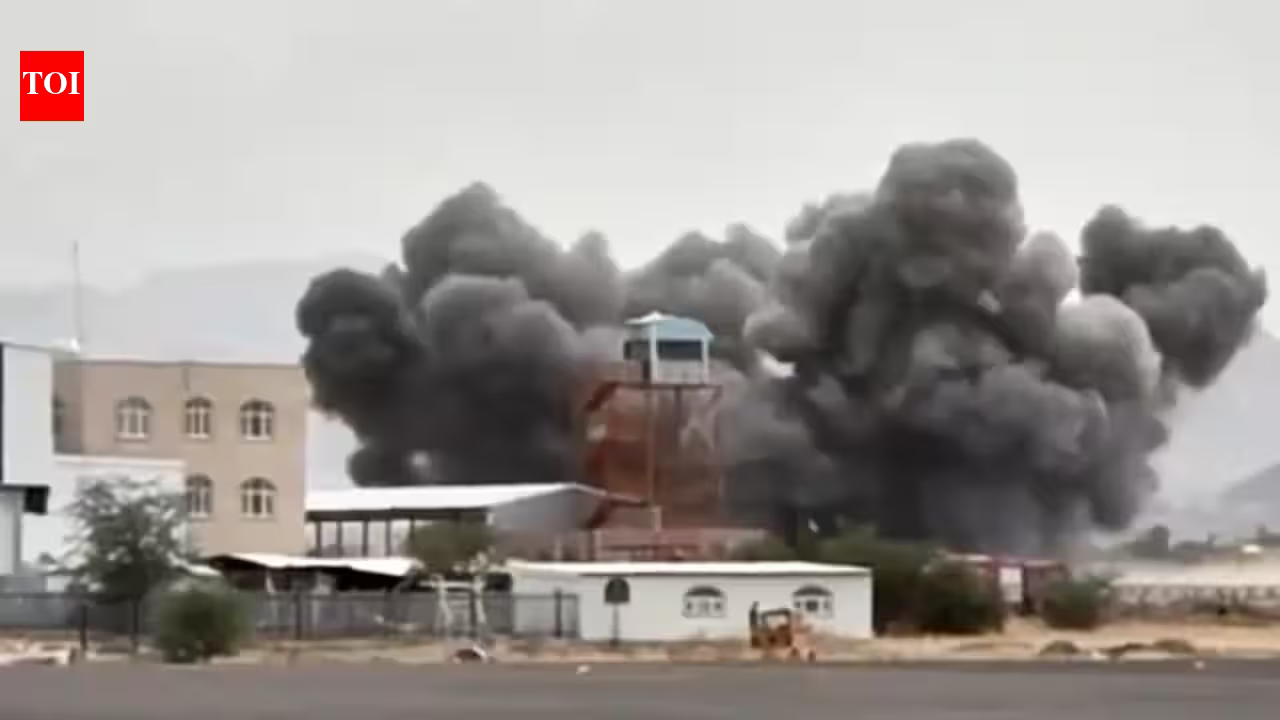
The ongoing hostilities have increasingly targeted civilian infrastructure, including airports and energy installations, throughout Saudi Arabia. While the primary focus of international authorities remains the safety of personnel and the stability of commercial flight paths, the environmental impact of these military engagements is becoming increasingly difficult to overlook. When ballistic missiles and explosive-laden drones are intercepted over populated areas or critical facilities, the resulting fallout often includes debris, chemical residue, and the immediate physical damage to the local environment.
The State Department’s warning highlighted that intercepted projectiles frequently pose a risk to those on the ground due to falling debris. From an environmental health perspective, this debris is not merely mechanical; it can include volatile rocket fuel components, charred circuitry, and structural shrapnel from industrial facilities. The report of a large plume of black smoke following an explosion near Riyadh’s international airport serves as a grim reminder of the localized air pollution and soil contamination risks associated with these aerial incursions. Such incidents can release particulate matter and hazardous combustion byproducts into the atmosphere, potentially impacting air quality in urban centers that are already sensitive to the desert climate’s inherent dust and heat challenges.
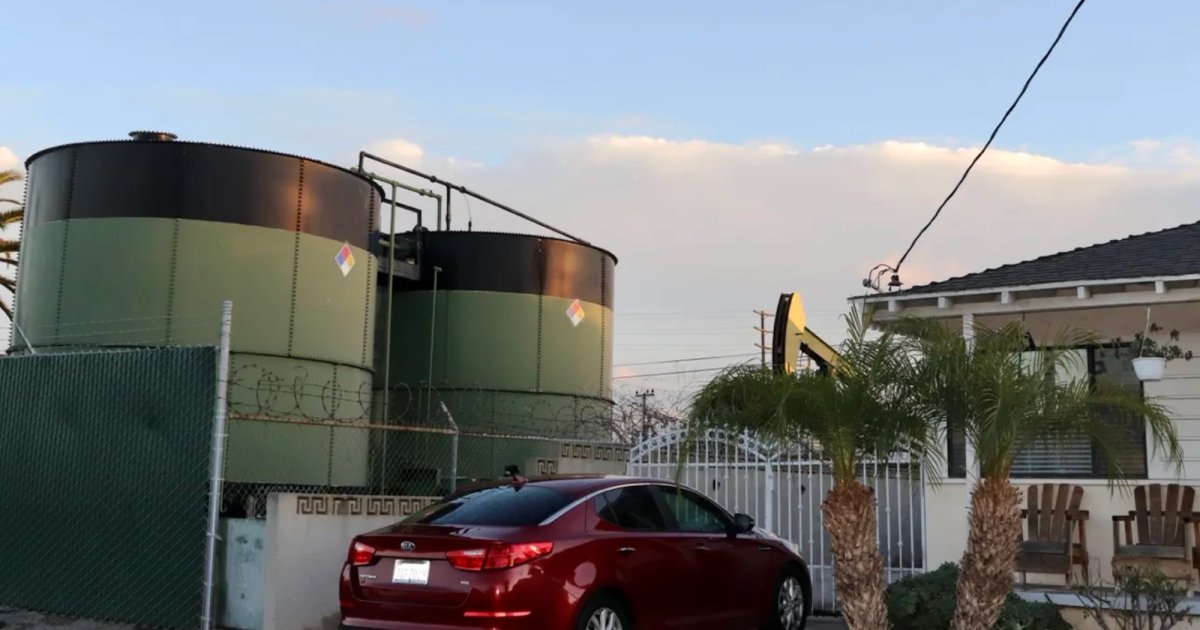
The threat to energy infrastructure is particularly concerning. The Houthis have historically targeted energy installations—key hubs for oil and gas production—which are notoriously difficult to protect from aerial bombardment. A successful strike or a damaged facility poses the risk of localized environmental contamination, including potential fires that are difficult to contain and the release of hydrocarbons into the surrounding terrain or coastal waters. The disruption of these facilities not only destabilizes global energy markets but risks long-term ecological damage to the arid regions where these plants are situated.
For travelers, the security situation necessitates a move toward heightened vigilance, yet for the residents of the region, the environmental hazards are constant. Beyond the immediate threat of fire and physical injury from projectiles, the sustained nature of this conflict threatens the long-term integrity of local ecosystems. The volatility makes it impossible to effectively monitor or remediate the environmental impacts of repeated military activity.
As Yemen remains under a “Level 4: Do Not Travel” advisory and Saudi Arabia continues to navigate a “Level 3: Reconsider Travel” status, the intersection of geopolitical conflict and environmental degradation remains a critical, albeit often secondary, component of the crisis. The State Department has explicitly warned that the “complex” security environment could see further, rapid escalations. As long as civilian airports and energy sectors remain primary targets in this regional power struggle, the potential for significant environmental disturbances—ranging from atmospheric pollution to hazardous material leaks—will continue to grow alongside the threat to human life. With commercial flights facing significant disruptions and the possibility of further airspace closures, both the humanitarian and environmental cost of the conflict remains a pressing concern for the international community.
Disclaimer: This content is auto-generated for informational purposes only.
Source: Read Original News