





ANTICIPATION is reaching a fever pitch in New Delhi as India prepares to unleash a colossal 500-plus athlete contingent for the 2026 Asian Games in Aichi-Nagoya. Following the historic, record-breaking haul of 106 medals in Hangzhou three years ago, the national expectation is clear: build on that momentum and push the boundaries of Indian sporting achievement even further.
The journey to Japan has not been without its hurdles. Logistical nightmares, including reports of administrative mismanagement, an accommodation crisis, and the ominous specter of a typhoon threatening the region, have dominated the headlines. Yet, for the athletes—the true heart of the mission—the focus remains singular. As the Games officially open from September 19 through October 4, the “game mode” narrative will override the boardroom troubles.
## A Blended Force of Veterans and Debutants
The Indian squad is a fascinating tapestry of seasoned icons and fresh talent. While the delegation boasts a wealth of returning champions, the energy will likely be driven by the 314 athletes set to make their maiden appearance at the continental stage.
The diversity of the contingent is striking, with women making up 46.7% of the roster. The age spectrum is equally wide, stretching from the 15-year-old phenom Vaibhav Sooryavanshi, the youngest in the group, to the legendary equestrian rider Shruti Vora, 55. Competitors will vie for glory in 256 events across 36 different sports, signaling India’s intent to mark its territory across virtually every discipline on the program.
## Defending the Gold Standard
The pressure is immense for those returning to the stage they conquered in Hangzhou. Avinash Sable is back to defend his 3000m steeplechase title after a year-long injury battle, while Tajinderpal Singh Toor (shot put) and Parul Chaudhary (5000m) look to solidify their dominance. The men’s 4x400m relay team and the badminton powerhouse duo of Satwiksairaj Rankireddy and Chirag Shetty—who secured India’s first-ever Asian Games gold in men’s doubles—carry the weight of expectation on their shoulders.
In archery, the compound team, which staged a clean sweep of all five gold medals in Hangzhou, remains a focal point of India’s campaign, with Jyothi Surekha Vennam once again serving as the linchpin.
## The Quest for the Missing Piece: Mirabai Chanu
Perhaps the most narrative-rich story heading into Aichi-Nagoya is that of weightlifting icon Mirabai Chanu. With a World Championship, Olympic silver, and multiple Commonwealth titles to her name, the Asian Games remains the glaring omission in her legendary trophy cabinet. Having missed 2018 due to injury and sitting out the Hangzhou Games, the 32-year-old is highly motivated to complete her collection. She will lead a four-member team that includes Gyaneshwari Yadav, Seram Nirupama Devi, and Harjinder Kaur.
## Squash, Shooting, and Athletics
Squash returns as a high-stakes event for India following its golden success last time out. The squad features the incredibly promising 18-year-old World Junior Squash Champion, Anahat Singh. Her transition to the senior international circuit will be one of the Games’ most watched arcs.
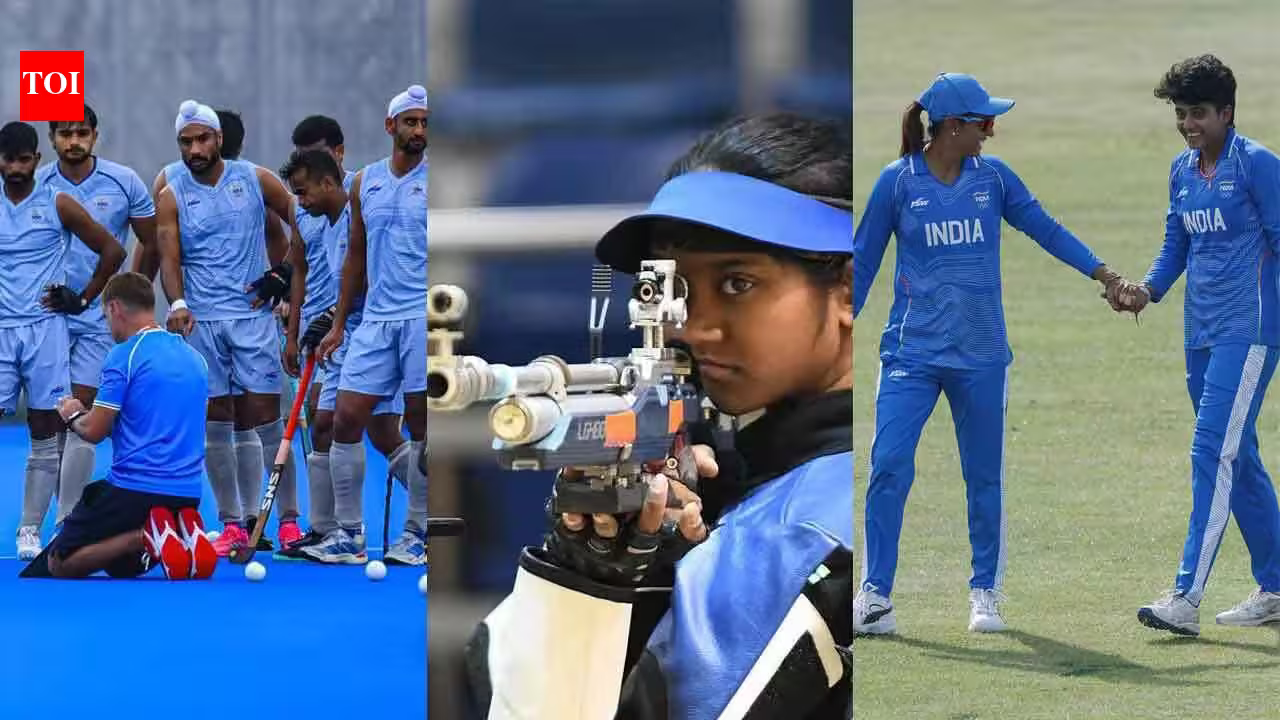
Meanwhile, the shooting range continues to be India’s most potent medal factory. After securing 22 medals, including seven golds in Hangzhou, the group led by Manu Bhaker and Aishwary Pratap Singh Tomar arrives in Japan as a juggernaut. While the absence of javelin superstar Neeraj Chopra—sidelined by an ankle injury—is a significant blow to the track and field hopes, the athletics contingent remains the largest group with 78 competitors. They will look to replicate or exceed their haul of 29 medals from the previous Games.
## Hockey and Cricket: Seeking Continental Dominance
The men’s hockey team arrives as the defending champion, tasked with securing a direct ticket to the 2028 Los Angeles Olympics. However, it is the women’s hockey team that arrives with significant momentum. Following a fifth-place finish at the 2026 World Cup—the nation’s best in 52 years—the squad under captain Salima Tete is hungry for a gold medal, which has eluded them since 1982.
In the T20 cricket arena, both the men’s and women’s teams look to defend their respective gold medals. The men’s squad is bolstered by a formidable list of names, including Shreyas Iyer, Sanju Samson, and pace sensation Jasprit Bumrah.
## Pan-India Representation
The geographic footprint of this contingent is broader than ever. Haryana once again leads the state-wise representation with 96 athletes, followed by Maharashtra (49) and Tamil Nadu (37). The reach, however, extends to the remote corners of the nation, with athletes representing regions from Ladakh and Jammu & Kashmir to the Andaman & Nicobar Islands.
Backed by a robust support structure that includes government schemes like TOPS (Target Olympic Podium Scheme) and the Khelo India program, these athletes are walking into Aichi-Nagoya as the most supported, analyzed, and prepared group India has ever sent to an Asian Games. As the lights go up in Japan, the nation waits to see if this blend of championship pedigree and youthful hunger can propel India to a historic new peak.
Disclaimer: This content is auto-generated for informational purposes only.
Source: Read Original News