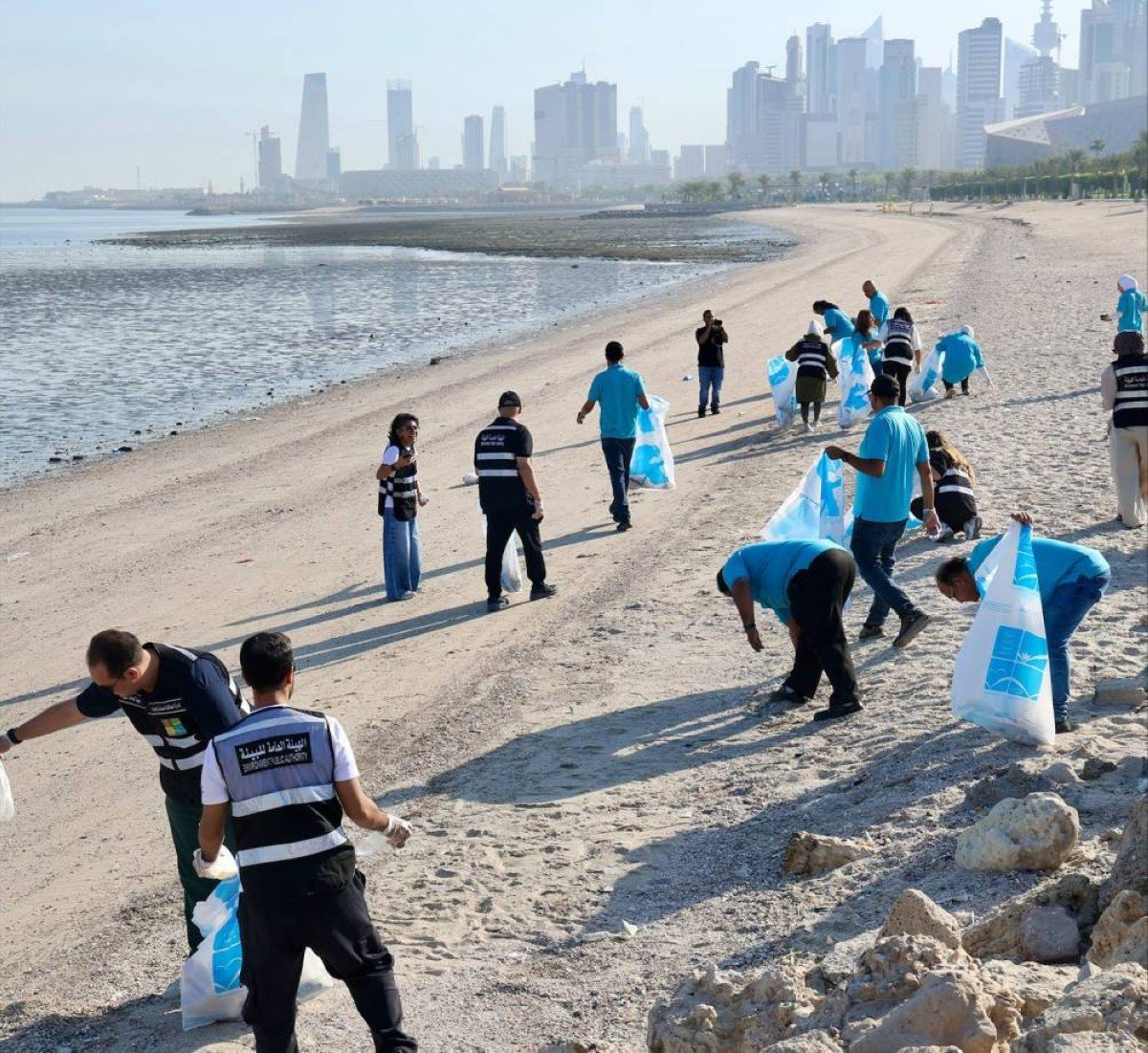








KARACHI: Sindh Governor Syed Muhammad Nihal Hashmi has issued a formal call for heightened individual and collective responsibility to address the mounting environmental challenges facing the province. During a recent symposium focused on urban sustainability and climate resilience, Governor Hashmi emphasized that the ecological preservation of Sindh—a region increasingly vulnerable to extreme weather patterns and rapid urbanization—requires a fundamental shift in both policy enforcement and civic engagement.
The Governor’s statement comes amidst growing concerns regarding Karachi’s environmental health, particularly in relation to waste management, water scarcity, and the depletion of green spaces. Highlighting the necessity for a unified approach, Hashmi remarked that while state-led infrastructure projects are vital, they remain insufficient without a concomitant commitment from the citizenry to adopt sustainable practices. He specifically underscored the urgency of addressing the uncontrolled disposal of waste into the city’s drainage systems, a recurring issue that exacerbates urban flooding during the monsoon season.
“Environmental stewardship is no longer a matter of choice; it is a prerequisite for the survival and prosperity of our urban centers,” Hashmi stated. “The government is committed to rehabilitating our infrastructure, but we must instill a sense of ownership among the people. Every citizen must view the preservation of our natural resources as a personal mandate.”
The Governor’s address touched upon the multifaceted nature of the province’s environmental crisis. He noted that the degradation of the coastal ecosystem and the encroachment upon mangroves—which act as a natural barrier against storm surges—pose a direct threat to the city’s infrastructure. To mitigate these risks, the Governor urged provincial departments to align their development objectives with the principles of climate-resilient planning. This includes prioritizing the expansion of forest cover and investing in more efficient water-recycling technologies to alleviate the pressure on the province’s dwindling freshwater resources.
Furthermore, the discussion at the symposium highlighted the imperative of integrating environmental education into the provincial curriculum. Governor Hashmi argued that a long-term solution to pollution and resource mismanagement lies in shaping the habits of the younger generation. By fostering a culture of conservation, he suggested, the province could better prepare for the long-term impacts of climate change, which are projected to disproportionately affect the Indus Delta region.
In light of the Governor’s directives, industry experts and municipal authorities are being encouraged to collaborate on a “Green Sindh” roadmap. This framework is expected to outline specific targets for carbon emission reductions within the industrial zones of Karachi and the implementation of more rigorous waste-segregation protocols. The Governor also noted that his office would support initiatives aimed at incentivizing private sector entities that adopt sustainable business models, signaling a push toward a more circular economy in the province.
The call to action has resonated with various local environmental advocacy groups, who have long campaigned for stricter enforcement of existing environmental regulations. While the Governor’s emphasis on “individual responsibility” serves as a moral appeal, experts suggest that it must be backed by institutional transparency and the consistent application of environmental laws.
As Karachi continues to grapple with the pressures of population growth and industrialization, the Governor’s message serves as a reminder that environmental stability is inextricably linked to socioeconomic stability. The coming months are expected to see the launch of several pilot projects aimed at restoring public parks and improving sanitation infrastructure, provided that the coordination between municipal bodies and the public remains cohesive.
For the residents of Sindh, the Governor’s rhetoric marks a pivot toward a more proactive stance on climate governance. Whether this top-down call for collective responsibility will translate into tangible improvements in the province’s environmental quality remains a matter of significant public interest. For now, the administration has signaled that the path to a cleaner, more resilient Sindh will be measured by the synergy between governmental policy and the daily actions of its people.
Disclaimer: This content is auto-generated for informational purposes only.
Source: Read Original News