






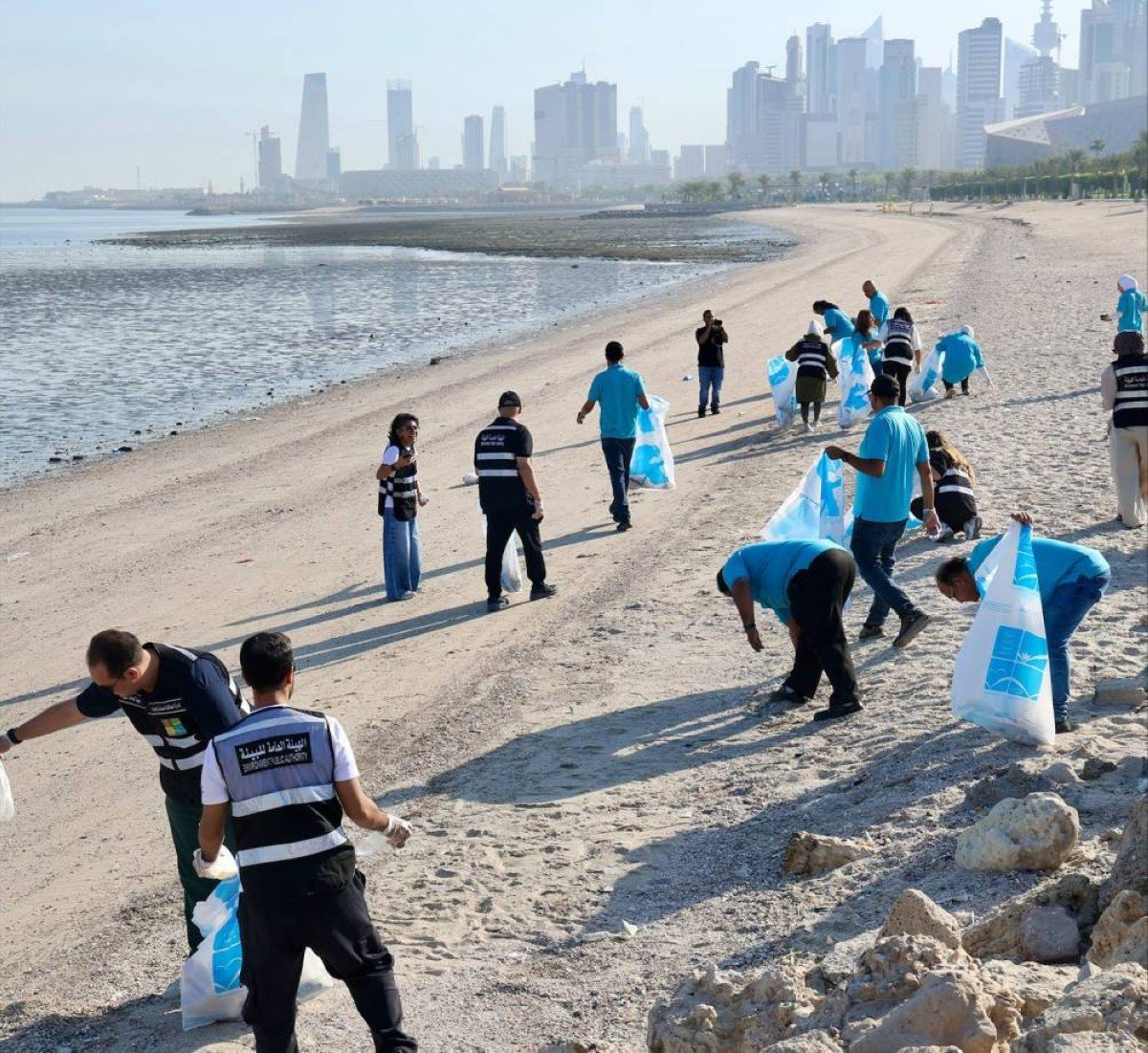
In alignment with World Cleanup Day, observed annually on September 20, Kuwait’s environmental advocates and government officials have issued a clarion call for intensified collective action to preserve the nation’s natural ecosystems. As global communities turn their attention to waste reduction, the Environment Public Authority (EPA) and local environmental organizations are emphasizing that the protection of Kuwait’s unique biodiversity is a shared societal responsibility.
Sheikha Al-Ibrahim, spokesperson and Director of Public Relations and Media at the EPA, stated that the occasion serves as a vital platform for fostering a culture of environmental volunteerism. “Protecting the environment requires concerted efforts to reduce sources of pollution, improve waste management, and limit the proliferation of plastic waste,” Al-Ibrahim noted. She highlighted that the authority remains committed to driving educational initiatives that encourage the public to adopt sustainable habits, such as reducing single-use plastics and ensuring public spaces remain litter-free.
The EPA’s strategy relies on a multi-pronged approach: monitoring compliance with environmental regulations while simultaneously building partnerships across the government, private sector, and civil society. By combining legal oversight with grassroots cleanup campaigns—particularly those targeting coastal areas—the authority aims to transition environmental protection from a government mandate to an everyday community practice.
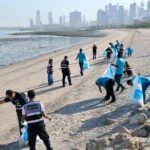
This mission has been bolstered by the persistent work of volunteer groups such as the Kuwaiti Diving Team. In celebration of World Cleanup Day, the team launched a comprehensive campaign to clean Kuwait Bay, one of the region’s most vital marine arteries. Chairman Waleed Al-Fadhel emphasized that the event is more than a one-day effort; it is a global movement to safeguard marine life and human health from the pervasive threat of plastic pollution and discarded fishing gear.
Since its inception in 1986, the Kuwaiti Diving Team has acted as a sentinel for the nation’s waters, removing hundreds of tons of refuse and recovering sunken vessels. Their ongoing collaboration with the EPA has focused on high-priority ecological zones, including the Ashairij and Sulaibikhat areas, as well as the Jahra Nature Reserve. These sites are not merely aesthetic assets but are critical habitats that support ecological balance and host migratory bird populations.
The preservation of Kuwait Bay, in particular, is central to the nation’s long-term sustainability. Beyond its role in biodiversity, the bay is recognized as the world’s second-largest nursery for fish and shrimp, serving as a pillar of local food security and the domestic fishing industry. Furthermore, the bay is essential to the country’s economic infrastructure, housing major ports, desalination plants, and power-generation facilities that underpin Kuwait’s development.
Looking toward the future, Al-Fadhel pointed to the northern regions, such as Al-Subiyah, as areas with significant potential for ecotourism and sustainable growth, provided they are shielded from environmental degradation. “The goal is to create a Kuwaiti sea that is completely free of waste,” Al-Fadhel said, noting that the team’s ultimate objective is to transform environmental stewardship into a permanent, sustainable behavior integrated into the daily lives of all citizens and residents.
As Kuwait continues to balance rapid urbanization with the protection of its fragile natural resources, the message from both the EPA and civil society is clear: the health of the sea and the land is intrinsically linked to the actions of the individual. Through continued cooperation and a renewed commitment to responsible waste disposal, stakeholders believe that the country can ensure a cleaner, more resilient environment for future generations.
Disclaimer: This content is auto-generated for informational purposes only.
Source: Read Original News