







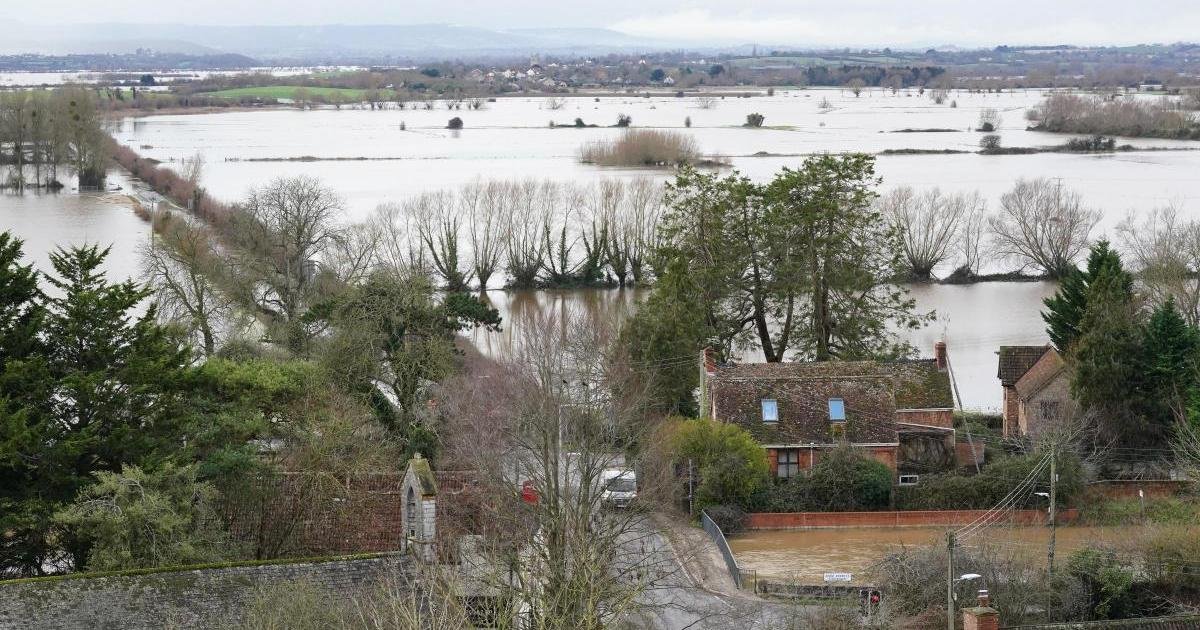
The Environment Agency (EA) is currently conducting a formal review of the “trigger points” that dictate when emergency temporary flood pumps are deployed across Somerset. The review, which follows a period of significant flooding during the winter of 2024, is scheduled for completion by the end of September.
These trigger points serve as the operational threshold for the EA to deploy additional pumping equipment to support the county’s permanent station network. Following severe weather events earlier this year, including the impacts of Storm Chandra, local stakeholders and MPs demanded a reassessment of how and when these resources are mobilized.
During a meeting of the Somerset Rivers Authority (SRA) board on September 11, Bryony Sadler of the Flooding on the Levels Action Group (FLAG) expressed urgent concern regarding the pace of the review, particularly with the approach of winter.
“Has the trigger point plan been redone since the events of earlier this year? If not, why the hell not?” Sadler asked, noting the anxiety of local residents regarding potential repeat events. She argued that the current triggers are too static and lack the fluidity necessary to respond to localized rainfall patterns. Sadler also highlighted specific issues at the Northmoor and Saltmoor pumping stations, suggesting that current sites may not be optimal for efficient water clearance.
Ross Edwards, representing the Environment Agency, addressed the board by confirming that the review is on track for the end of September and will be made public once finalized. He emphasized that while the agency recognizes the community’s desire for immediate action, the process requires a balanced approach.
“The triggers ultimately unleash north of £5m of taxpayers’ funding, and we have to make decisions about when is the right time to do that,” Edwards explained. “We appreciate that if someone has been flooded in the past, whenever it starts raining they think: ‘roll things out now.’ But in reality, we’ve got to make informed decisions.”
Regarding the technical challenges raised by FLAG, Edwards noted that solving flooding in the Somerset Levels is not simply a matter of installing more pumps. He pointed out that the hydraulic challenge lies in moving water toward the pumping stations effectively. “The challenge is getting the water to those pumping stations so they can operate more of the time,” he stated, adding that an over-abundance of pumping capacity can sometimes lead to a “victim of our own success” scenario, where water is cleared faster than the channels can replenish.
The EA indicated that a portion of the £50m in recent funding provided by the Department for Environment, Food and Rural Affairs (Defra) may be earmarked for infrastructure improvements at existing sites to increase overall efficiency.
SRA vice-chairman Tony Bradford, however, remained critical of the decision-making process. He argued that the reliance on rigid trigger points has historically caused unnecessary delays. “These trigger points are important, but basically all they do is stop a person from making a decision,” Bradford said. “We were 200 per cent sure that we would meet the trigger points a week before the EA acted, but we had to wait. We’ve got to be smarter and get ahead of the game.”
In his rebuttal, Edwards maintained that the agency had actually deployed pumps ahead of schedule during the last winter season based on advice from internal drainage boards, a move that the current review aims to formalize into a more effective policy framework. The findings of the review are expected to provide the clarity and updated criteria that local authorities are seeking before the next wet season arrives.
Disclaimer: This content is auto-generated for informational purposes only.
Source: Read Original News