







As e-commerce continues to surge across Mexico, logistics providers are facing mounting pressure to enhance delivery speeds and manage complex inventory demands. This shift is fueling a wave of investment in Autonomous Mobile Robots (AMRs), which are increasingly being deployed to handle labor-intensive picking operations. However, industry leaders are discovering that a “one-size-fits-all” approach to automation can lead to inefficient capital expenditure, forcing CEOs to adopt a data-driven strategy to identify which facilities are truly ready for technological integration.
## Strategic Selection: Identifying Where Robots Deliver Value
The primary challenge for logistics executives is not simply identifying the technology, but determining where it provides the highest return on investment. Automation experts emphasize that simply having a high volume of orders does not guarantee success. Instead, the focus must be on the physical layout and the nature of the picking process.
Distribution centers characterized by long travel distances for workers, high SKU counts, and fragmented order structures are the prime candidates for AMR implementation. Recent research highlights that effective human-robot collaboration can reduce picking time by over 30%, but these gains are contingent on specific variables like product weight and picking density. Industry giants, such as DHL Supply Chain, have adopted a rigorous facility-by-facility assessment model. By analyzing workforce productivity metrics and operational layouts, firms can avoid over-investing in warehouses that may not benefit from mobile robotics, ensuring that capital is directed only where it will yield measurable operational improvements.
## Bridging the Gap Between CAPEX and Operational Flexibility
A critical decision point for companies is the investment model: traditional capital expenditure (CAPEX) versus the emerging Robotics-as-a-Service (RaaS) approach. While purchasing equipment outright offers total control, it necessitates a heavy upfront investment that includes hardware, software integration, and extensive staff training.
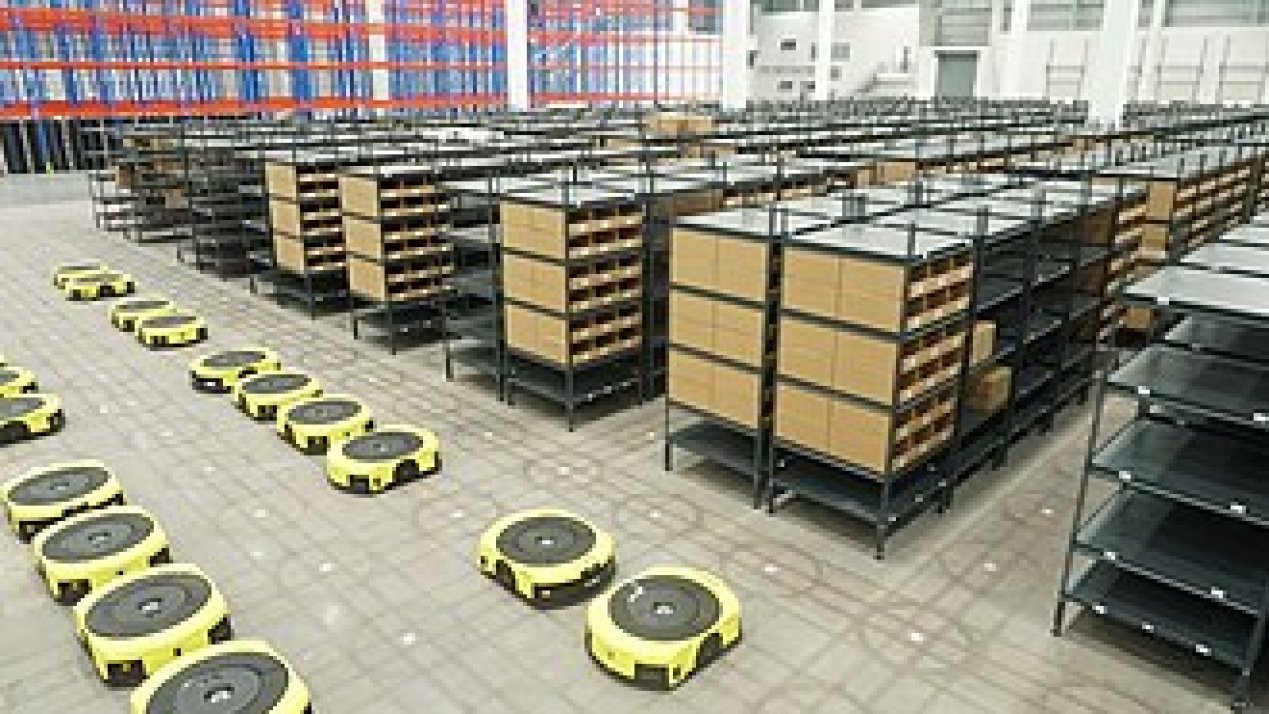
Conversely, the RaaS model provides a flexible, subscription-based alternative that aligns costs with actual usage—a significant advantage in volatile markets where demand fluctuates. This flexibility is vital for Mexican operators looking to scale their capabilities without the risk of long-term asset lock-in. Real-world implementations, such as the partnership between GEODIS and Locus Robotics in the State of Mexico, underscore the feasibility of this technology. By deploying robots across a multi-level mezzanine facility, GEODIS has demonstrated how modern platforms—supported by sophisticated software orchestration—can integrate seamlessly into existing supply chain infrastructures.
## Validating Success Through Data-Driven Pilot Projects
Before scaling automation across a national distribution network, companies are increasingly mandating pilot projects as a prerequisite for full-scale budget approval. These pilots serve as a controlled environment to establish baseline performance metrics, such as order-to-ship cycle times, error rates, and the critical “picking-per-hour” efficiency metric.
A successful pilot also hinges on the technical synergy between the robotic platforms and existing Warehouse Management Systems (WMS). For these systems to succeed, they must maintain constant, real-time data synchronization. If an integration fails or the WMS cannot effectively communicate with the robots during peak demand, the expected productivity gains will vanish.
Ultimately, the path toward a fully automated logistics network in Mexico is a marathon, not a sprint. By prioritizing data-backed validation over impulsive technology adoption, CEOs can ensure that their investments translate into meaningful gains in capacity and service levels. The future of the Mexican logistics sector lies not in replacing human labor, but in utilizing intelligent automation to empower workers and create more resilient, responsive supply chains that can thrive in an increasingly digital economy.
Disclaimer: This content is auto-generated for informational purposes only.
Source: Read Original News