








The ongoing military conflict between the United States and Iran has ignited a volatile economic environment that is fundamentally reshaping the global supply chain, forcing American business owners to navigate a period of uncertainty that experts are describing as more disruptive than the COVID-19 pandemic.
For small and mid-sized enterprises, the current landscape of record-high raw material costs, shipping bottlenecks, and geopolitical instability has turned routine inventory management into a high-stakes gamble. As logistics networks fracture, the ripple effects are being felt from local coffee roasters to specialized manufacturing firms, leaving business leaders questioning the long-term viability of their operations under current trade conditions.
Supply Chain Disruption and the Logistics Crisis
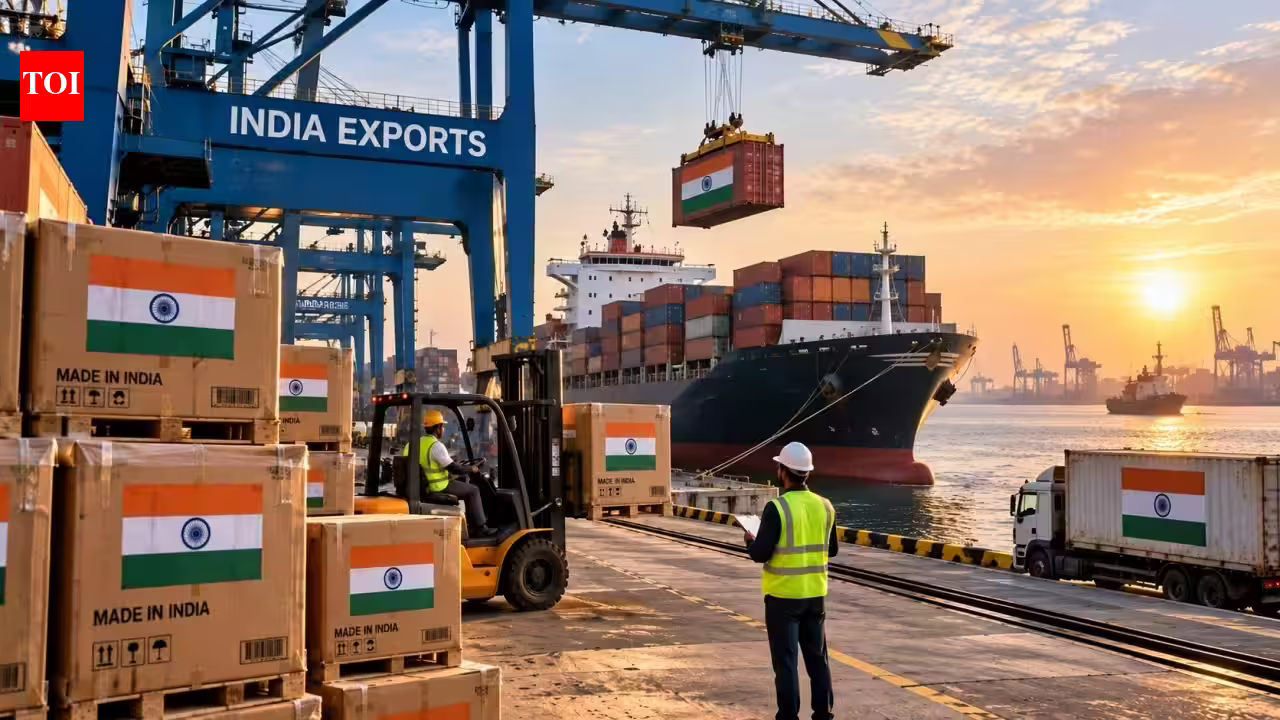
The logistical challenges stem from the rerouting of global shipping vessels to avoid dangerous waterways affected by the conflict, a maneuver that has severely constrained shipping capacity and sent transportation costs soaring. Industry veterans, including Flexport CEO Ryan Petersen, have noted that the current state of logistics is unprecedented in the last quarter-century.
This crisis has forced a radical change in business strategy. Companies like Dilworth Coffee, once accustomed to securing supply lines 12 to 24 months in advance, are now forced to operate on a three-to-six-month horizon. This shift toward short-term survivalism reflects the difficulty of predicting energy prices, such as the sustained high cost of diesel, and the broader instability of international trade routes. The result is a precarious environment where companies have less capital to commit to inventory, all while facing the daunting task of shielding cost-sensitive consumers from inevitable price hikes.
Tech and AI: Navigating the “New Normal” of Uncertainty
In response to these systemic failures, the tech industry and developers are accelerating the integration of advanced AI and data-driven tools to better forecast demand and mitigate supply chain risks. Modern cloud-based inventory management systems, which leverage predictive analytics, are becoming essential for businesses struggling to maintain margins.
Google Cloud and similar platforms are increasingly being utilized by firms to model the impact of geopolitical disruptions on freight costs. By deploying machine learning models, enterprises are attempting to simulate how energy price fluctuations or port closures might impact their specific logistics chains. However, as Jack Buffington of the University of Denver points out, these tools are currently operating in a fundamentally shifted reality. The “energy problem” inherent in the current conflict means that traditional models—even those powered by sophisticated AI—are struggling to account for the magnitude of these external shocks. Despite this, businesses are pouring resources into digital transformation, hoping that real-time data visibility can provide the “predictability” that is currently absent from global commerce.
Humanitarian Impacts and Political Repercussions
While the boardroom focus remains on logistics and inflation, the conflict has exacted a harrowing human toll. Reports verified by UN officials have highlighted significant civilian casualties, specifically citing strikes on civilian infrastructure. A UN fact-finding mission has identified reasonable grounds to conclude that the U.S. committed war crimes during military operations, notably involving the destruction of schools and sports facilities.
These reports have intensified criticism of the current administration’s foreign policy, linking the humanitarian crisis directly to the domestic economic strain. The combination of civilian tragedy and the destabilization of energy markets has placed the White House under immense pressure. As businesses like Ravenox struggle to keep American manufacturing jobs alive, the broader narrative remains one of deep frustration. Business owners are now operating in a reality where the lines between international military strategy and the daily survival of the small business economy have blurred, creating a cycle of volatility that shows little sign of abating.
Disclaimer: This content is auto-generated for informational purposes only.
Source: Read Original News