









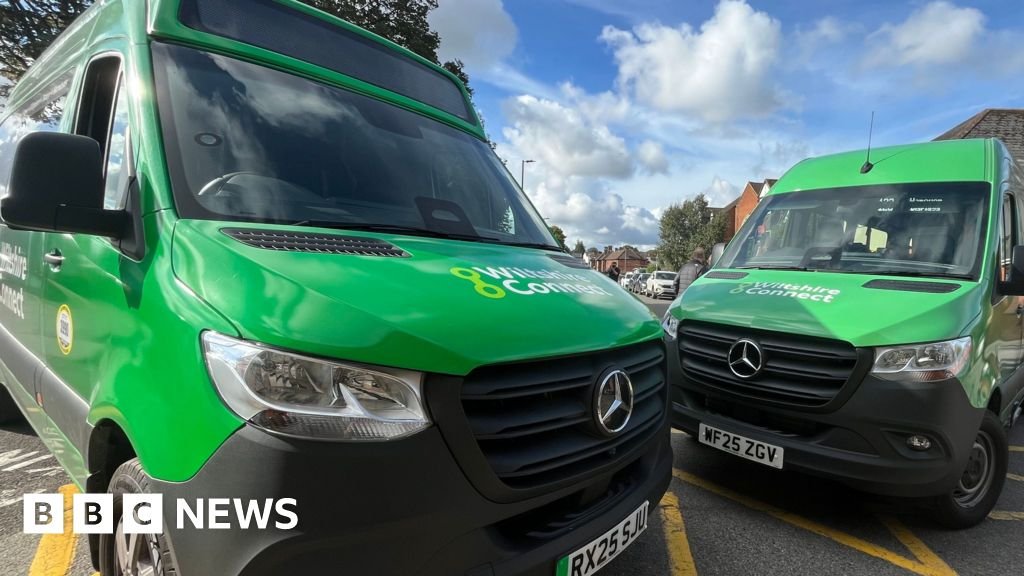
A renewed surge in bus mileage across local council-supported routes suggests a pivotal shift in the long-term decline of public transport infrastructure. After years of service cuts that left many communities isolated, recent data indicates that strategic funding initiatives are finally beginning to stabilize and, in some areas, reverse the downward trend.
However, as the public transport landscape shifts, local authorities are increasingly looking beyond traditional scheduling to address connectivity. They are now leveraging high-tech solutions—many of which rely on the same machine learning and data analytics frameworks that power the broader tech industry—to ensure these revived routes are both efficient and sustainable.
Leveraging Big Data for Route Optimization
The reversal of service reductions isn’t just about adding more buses to the road; it is about smarter integration. Many local councils are now utilizing advanced traffic modeling software and cloud-based analytics to map passenger demand more accurately.
Google Cloud’s suite of geospatial and data processing tools has become a staple for municipal planners. By analyzing traffic flow, population density, and historical boarding patterns, city planners can use AI-driven simulations to determine exactly where an extra bus mile will have the most impact. This shift from “gut-feeling” scheduling to data-backed decisions is helping councils justify the financial investment in rural and suburban routes that were previously deemed unprofitable. By optimizing bus paths through real-time traffic data, operators are reducing fuel waste and improving punctuality—two key metrics that encourage more riders to step on board.
The Rise of AI in Commuter Experience
Technological upgrades are also changing how passengers interact with these newly restored services. The integration of Google Maps’ transit features serves as a vital bridge between the council and the citizen. When a council restores a bus route, the immediate update to Google’s transit data ensures that the information reaches commuters instantly.
Beyond simple scheduling, developers are now implementing generative AI models to help local governments provide better customer support. These AI-powered chatbots, often integrated into municipal websites, can process complex queries about ticket prices, route changes, and real-time delays, providing human-like responses that make public transport feel as modern and accessible as a ride-sharing app. By reducing the friction associated with navigating complicated bus schedules, technology is helping restore the public’s confidence in a reliable, bus-based transit network.
Sustainable Growth and the Tech Ecosystem
The resurgence of bus travel is part of a larger trend toward digital-physical integration in urban design. As councils invest in “green” bus fleets—often electric vehicles that utilize AI to optimize battery usage and thermal management—the synergy between technology and infrastructure becomes even more pronounced.
Furthermore, the hardware and software companies supporting these services are witnessing a shift in priorities. Tech giants are increasingly focusing on “smart city” initiatives, where public transport data is prioritized in search algorithms to promote eco-friendly travel options. By highlighting bus routes that are running on time and operating at high capacity, Google and other map providers are reinforcing the behavior that councils are trying to foster.
As funding continues to flow into restoring bus miles, the success of these programs will likely depend on how well councils utilize these technological tools. The ability to collect, analyze, and disseminate data will be the difference between a temporary spike in services and a permanent, high-quality public transit infrastructure. For many residents, the return of the bus is not just a return to the past; it is the arrival of a smarter, more connected future for local transit.
Disclaimer: This content is auto-generated for informational purposes only.
Source: Read Original News