




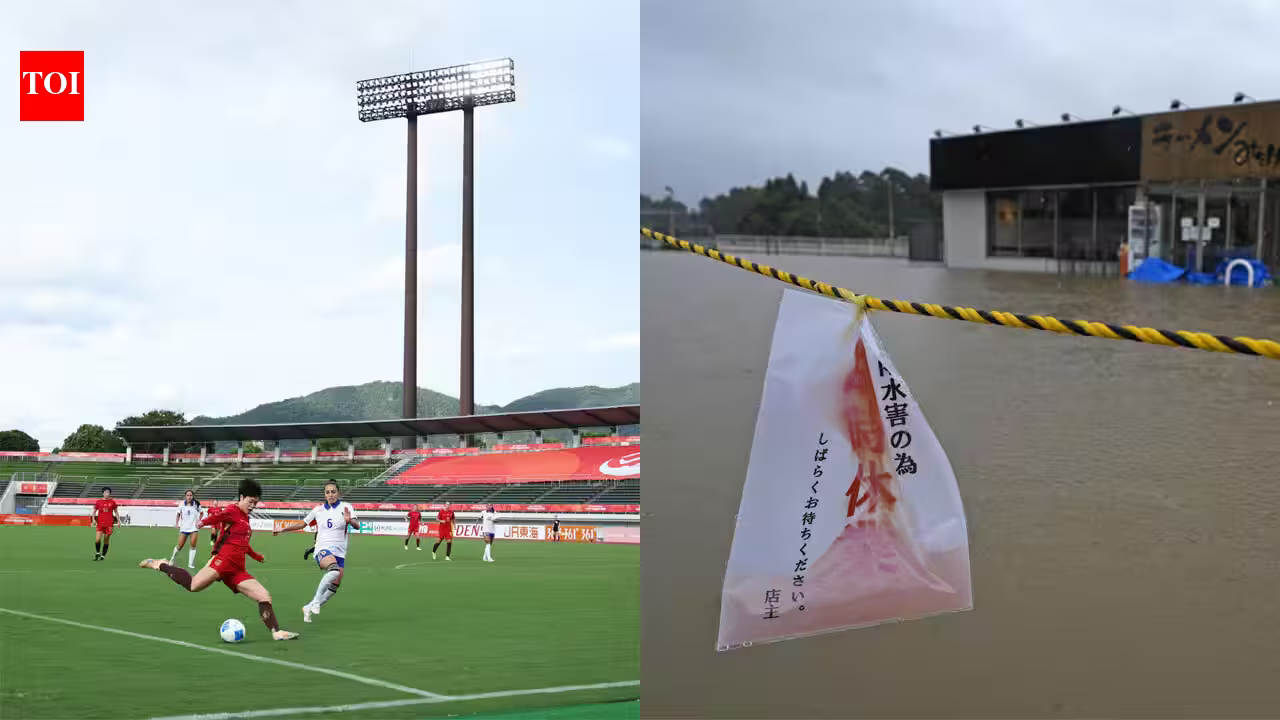




NAGOYA — The Aichi-Nagoya 2026 Asian Games, already a monumental logistical undertaking, has hit its first significant weather-related hurdle. As Typhoon Dujuan barrels toward Japan’s Pacific coast, local organizing committees have been forced into a defensive posture, prioritizing athlete safety and venue integrity as the storm looms over the region.
The most immediate casualty of the incoming weather system is the equestrian eventing competition. Originally slated for Monday, the event has been officially pushed back to Tuesday. Officials confirmed the decision late Sunday evening, citing not only the threat of sustained high-velocity winds but the practical challenges posed by torrential rainfall on arena surfaces, which would necessitate extensive ground-crew preparation before play could safely resume.
## A Precarious Path for Typhoon Dujuan
The Japan Meteorological Agency (JMA) has issued dire warnings regarding the trajectory of the storm. As of early Monday, Dujuan was tracked on a path moving toward eastern Japan, with its eye projected to pass near the Boso Peninsula in Chiba Prefecture by Monday evening. While the Aichi-Nagoya core venues were spared the brunt of the storm during the early morning hours, the outlook remains volatile.
The JMA’s forecast highlights a particularly dangerous atmospheric phenomenon: the development of linear rainbands. These narrow, stationary bands of heavy precipitation are notorious for dumping massive amounts of water over concentrated geographical areas in a matter of hours. Experts are tracking the Kanto-Koshin and Tokai regions as primary danger zones. Should these rainbands stall, the risk of flash flooding, mudslides, and sudden infrastructure damage rises exponentially, threatening to disrupt the Games’ carefully calibrated transportation networks.
## Logistics and Athlete Welfare in the Crosshairs
For the athletes, the transition from competition mode to “storm watch” is a test of mental fortitude. While the equestrian team is the first to experience a formal schedule shift, the ripple effects of the typhoon are being felt across the entire event map.
Transportation, the lifeblood of a multi-venue Games, is already under strain. Several major highways have seen preemptive closures, and emergency officials are on high alert for further arterial shutdowns. “Our priority remains the safety of the participants, the support staff, and the spectators,” a Games spokesperson noted during a brief morning press conference. “We are working in lockstep with the JMA to ensure that if conditions warrant further schedule shifts, we act with precision and clarity.”
The ripple effects extend beyond the immediate Aichi-Nagoya hub. Tokyo, which is hosting a significant portion of the competition schedule, is also bracing for impact. The capital is expected to experience intense gusts and heavy downpours throughout Monday night and into Tuesday morning, forcing organizers to keep a watchful eye on outdoor venues that were previously considered “weather-resistant.”
## Resilience Under Pressure
Asian Games organizers have faced challenging weather patterns in previous iterations, but the unpredictability of Typhoon Dujuan presents a unique set of variables. Unlike static delays, the potential for linear rainbands means that conditions could fluctuate wildly from one district to another, making a city-wide “one-size-fits-all” approach to cancellations impossible.
Instead, the organizing committee has adopted a decentralized monitoring system. Venue managers are now reporting hourly on soil saturation, wind shear levels, and transport accessibility. This granular approach is designed to keep the Games running wherever possible, while avoiding the risks inherent in moving large groups of athletes across storm-ravaged corridors.
As of Monday afternoon, the mood in the athlete village remained one of cautious focus. Despite the disruption to the equestrian schedule, the atmosphere is defined by professional resilience. Competitors are using the unexpected downtime to recalibrate, study film, and await the green light from officials.
## The Outlook: A Race Against the Elements
As the sun sets on Monday, all eyes remain fixed on the meteorological radar. While the storm is expected to begin its shift away from the coastline by Wednesday, the immediate 24-hour window remains critical.
If the forecasted rainbands do not materialize in their most severe form, the organizing committee expects to resume the equestrian events Tuesday, followed by a swift return to the full slate of athletic competitions. However, should the JMA’s worst-case scenarios come to pass, the Games may face a domino effect of delays that could extend well into the middle of the week.
For now, the mantra for the 2026 Asian Games is clear: adapt or wait. As Typhoon Dujuan makes its presence felt, the strength of the organizational infrastructure and the patience of the competing nations will be tested. It is a stark reminder that in the world of elite sports, even the most meticulously planned event is ultimately subject to the whims of the natural world.
Disclaimer: This content is auto-generated for informational purposes only.
Source: Read Original News