









The OnePlus 16: An Evolution of Flagship Hardware
OnePlus has officially initiated the reservation process for its latest flagship smartphone, the OnePlus 16, within the Chinese market. Serving as the successor to the OnePlus 15, which debuted in October 2025, this new device aims to build upon its predecessor’s foundation while introducing significant upgrades to processing power, battery density, and imaging capabilities. Despite the company’s recent strategic shift in international markets, the OnePlus 16 serves as a primary showcase for the brand’s current engineering focus.
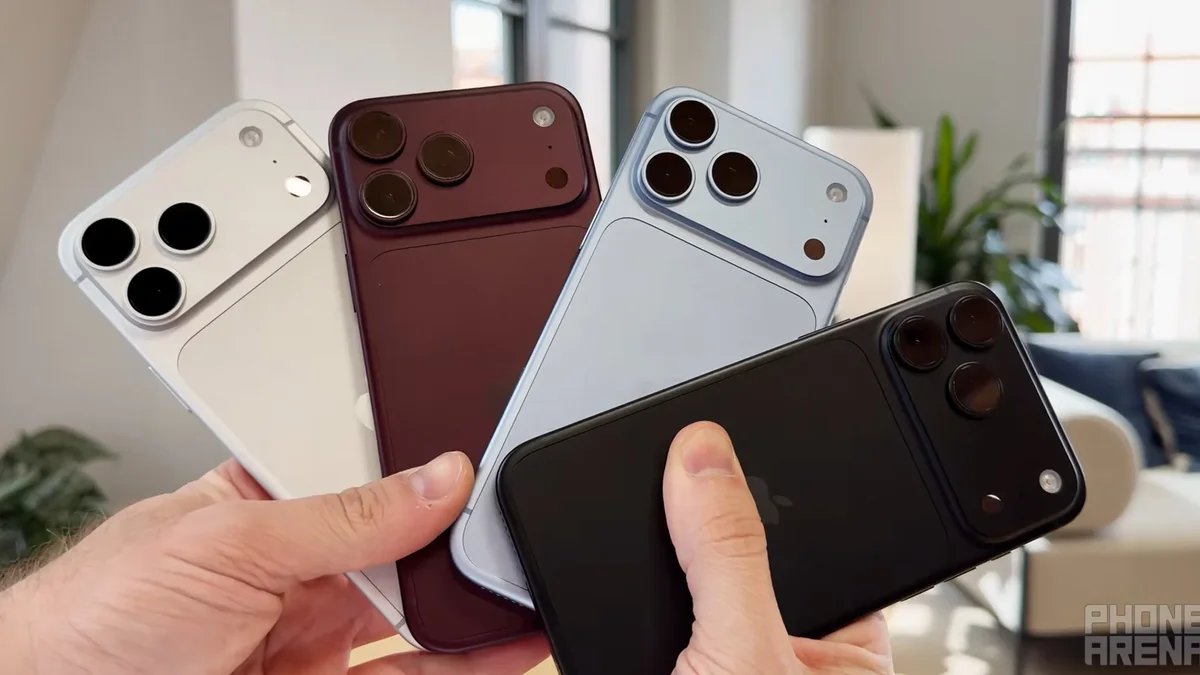
The design philosophy maintains a familiar aesthetic, adhering to the square rear camera housing located in the upper-left corner that has become a hallmark of the recent series. This module integrates a triple-camera array and a synchronized LED flash, ensuring structural consistency with previous iterations. OnePlus has introduced three distinct color profiles for the release: “Tomorrow’s Starlight,” “Dark Forest,” and “Mars Masterpiece.” Notably, the “Tomorrow’s Starlight” finish utilizes a proprietary “silk glass” manufacturing process, designed specifically to minimize fingerprint smudges and provide a refined tactile surface.
Performance Standards and Architectural Upgrades
Under the hood, the OnePlus 16 is expected to feature the forthcoming Snapdragon 8 Elite Extreme Gen 6 chipset from Qualcomm. This processor represents a major shift in mobile architecture, as it is reportedly manufactured on a 2nm fabrication process. This transition is expected to deliver substantial improvements in power efficiency and raw computational throughput compared to existing 3nm flagship processors.
Furthermore, the hardware architecture is built to support the LPDDR6 memory standard. This integration is critical for modern mobile workflows, allowing for faster data transfer rates and improved multitasking efficiency, particularly when handling complex generative AI tasks or high-fidelity mobile gaming. The device will be available in four primary memory and storage configurations: 12GB/256GB, 12GB/512GB, 16GB/512GB, and a high-capacity 16GB/1TB model. These configurations cater to power users who require substantial local storage for high-resolution photography and video production.
Advancements in Battery Technology
One of the most significant hardware shifts in the OnePlus 16 is the substantial increase in battery capacity. Leaks suggest the device will be equipped with a 9,000mAh battery. This represents a significant leap from the 7,300mAh capacity found in the OnePlus 15. The inclusion of such a high-density battery indicates that OnePlus is prioritizing endurance, likely to support the increased power demands of the 2nm chipset and the high-performance display assembly.
Integrating a 9,000mAh cell into a slim smartphone chassis requires advanced energy management and thermal dissipation strategies. This move reflects a broader industry trend toward maximizing total energy storage to accommodate the rising power consumption of flagship-tier silicon. For the end user, this enhancement translates to extended operating hours without the necessity for frequent mid-day charging, provided that the software optimization aligns with the hardware overhead.
Imaging Capabilities and Technical Specifications
The camera system on the OnePlus 16 is reportedly headlined by a 200MP primary sensor with a 1/1.4-inch format. This sensor upgrade serves as the cornerstone of the device’s imaging strategy. By utilizing a high-megapixel count paired with a relatively large physical sensor size, the phone aims to provide superior light capture and enhanced detail retention. The 1/1.4-inch dimensions are designed to facilitate better natural depth-of-field separation, reducing the reliance on purely computational bokeh effects for portrait photography.
Beyond the primary sensor, the inclusion of sophisticated image signal processing within the Snapdragon 8 Elite Extreme Gen 6 will likely allow for real-time adjustments in challenging lighting conditions. The transition to such a high-resolution sensor suggests that the device is targeting users who prioritize high-fidelity mobile photography and video, potentially offering more versatility for cropping and digital zoom adjustments without significant quality loss.
Market Strategy and Regional Availability
The release of the OnePlus 16 in China highlights the brand’s current geographic focus. As OnePlus has effectively exited the North American and European markets for new product launches, the availability of this flagship remains restricted. Furthermore, industry reports suggest that the device may skip the Indian market, narrowing its footprint significantly compared to the global reach of previous OnePlus generations.
This concentration on the Chinese domestic market follows a broader trend of brand realignment. By focusing on a single, high-growth market, OnePlus may be attempting to optimize its supply chain and software ecosystem, prioritizing local feature sets and localized service integrations. While this strategy may disappoint international enthusiasts who have historically followed the brand’s trajectory, it confirms that the OnePlus 16 is intended as a regional powerhouse rather than a globally distributed product. As of this writing, an official launch date has not been confirmed, though the ongoing reservation phase suggests an imminent unveiling.
Disclaimer: This content is auto-generated for informational purposes only.
Source: Read Original News