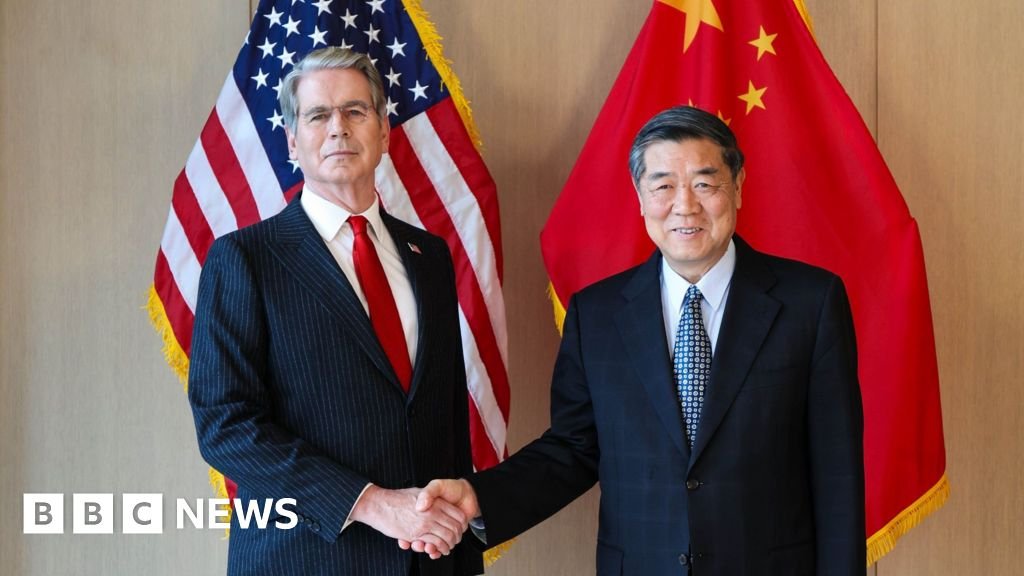










As trade tensions between the world’s two largest economies fluctuate, a new round of high-level economic consultations is currently underway in the United States, signaling a push for greater predictability in bilateral commercial relations. Chinese Vice Premier He Lifeng is leading the delegation, engaging in discussions that industry leaders hope will stabilize market environments and foster long-term growth for multinational firms operating across both borders.
## Agricultural Stability and Market Access
For the U.S. agricultural sector, the ongoing talks represent a vital opportunity to secure the stability of one of its most important export markets. Jim Sutter, CEO of the U.S. Soybean Export Council, emphasized that agricultural trade serves as a foundational pillar for U.S.-China relations.
“American farmers view China as a critical trading partner and their largest foreign destination for products,” Sutter noted. He highlighted that consistent and predictable market access is the primary objective, as it ensures that trade flows remain uninterrupted, benefiting both the livelihoods of American farmers and the supply chain requirements of Chinese food processors and manufacturers. By streamlining these trade channels, stakeholders hope to minimize the impact of external geopolitical volatility on global food security.
## Fashion and Retail: Betting on Chinese Growth
Beyond commodities, major American retail brands continue to view China as a key driver of their global financial health. Tapestry Inc., the parent company of the iconic fashion brand Coach, recently showcased this reliance in its fiscal year 2026 report. With global revenues hitting $8 billion, the company revealed that China generated roughly 17% of that total.
More significantly, Coach’s footprint in the region is rapidly expanding. With over 350 stores currently operating across 90 Chinese cities, the brand is leveraging localized digital engagement and advanced inventory management to cater to evolving consumer preferences. This strong performance, marked by a 30% revenue increase in the Chinese market last year, underscores a broader trend: despite geopolitical noise, American consumer brands remain heavily invested in the Chinese domestic economy.
## Economic Synergy and Digital Transformation
The broader implications of these talks reach into the future of global economic stability. Robin Xing, Morgan Stanley’s chief China economist, argues that strategic stability between Washington and Beijing is essential for both nations to meet their domestic policy goals. From Beijing’s perspective, a stable external environment is critical to sustaining domestic demand; for the United States, it provides a buffer that can assist in managing the complexities of long-term public debt.
This push for stability comes at a time when global businesses are increasingly reliant on AI and digital infrastructure to manage international operations. Companies are using data analytics to monitor real-time supply chain fluctuations, ensuring that cross-border logistics remain agile in the face of policy shifts.
As the digital economy grows, the intersection of trade policy and technology becomes more pronounced. Firms are looking for a predictable regulatory environment where AI-driven market forecasting and digital payments can operate without the threat of sudden protectionist measures. Industry observers are optimistic that if these discussions yield a more stable framework, it will empower multinational corporations to continue investing in the cross-border digital technologies that keep the global economy interconnected.
As the talks conclude later this week, the focus remains on whether both nations can move beyond specific trade grievances to establish a cooperative equilibrium that safeguards global growth in an increasingly digitized and interdependent marketplace.
Disclaimer: This content is auto-generated for informational purposes only.
Source: Read Original News