




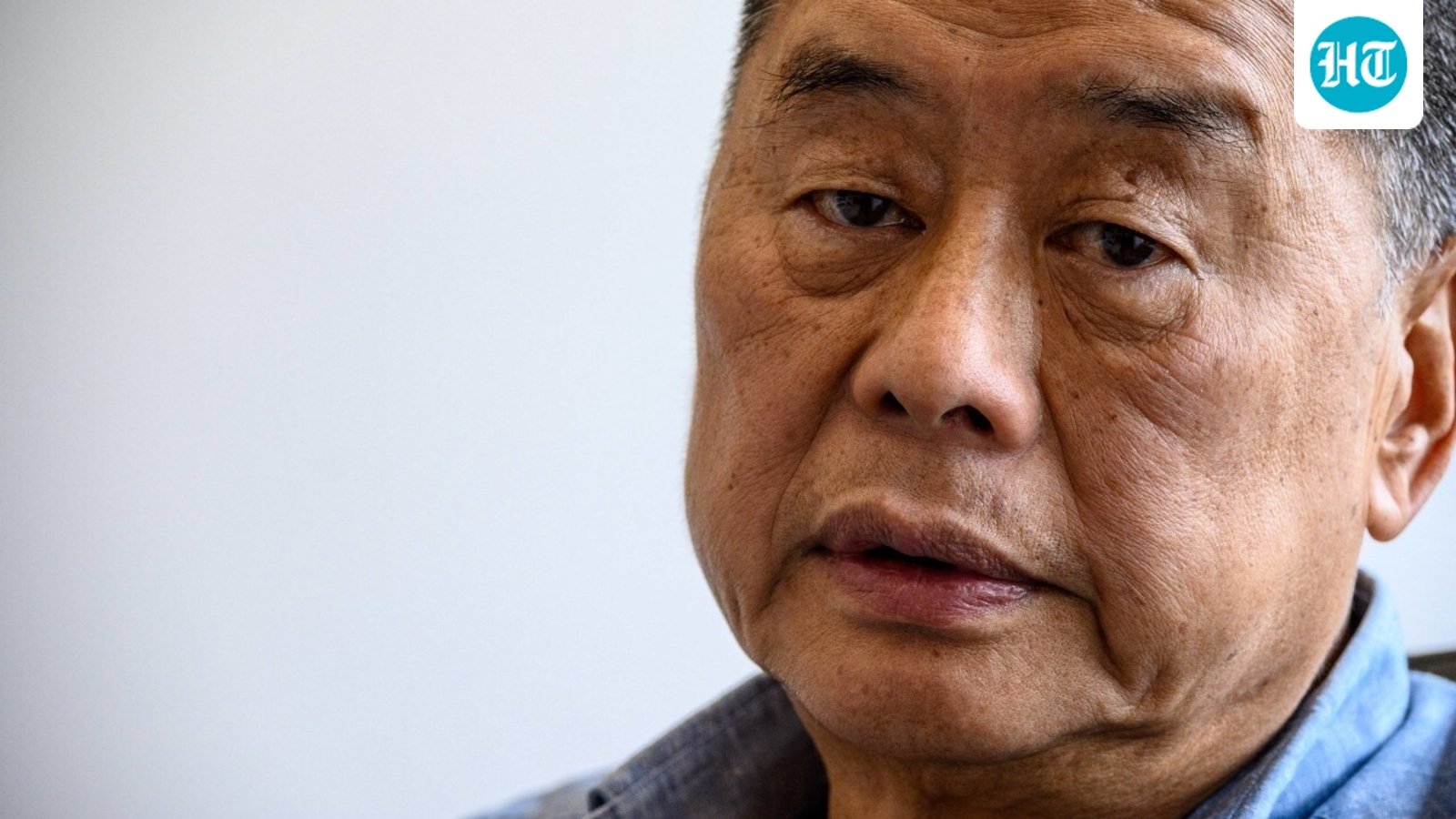
The Jimmy Lai Dilemma: Trump’s Diplomatic Test as Xi Jinping Visits Washington
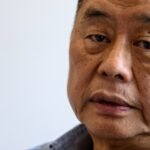
While President Trump has frequently touted his success in securing the release of Americans and political prisoners held in foreign nations as a hallmark of his administration, a glaring exception remains. Jimmy Lai, the 78-year-old media mogul and champion of free speech, has languished in a Hong Kong prison for six years, defying the President’s personal efforts to win his freedom.
A Broken Promise and a Lingering Struggle
The case of Mr. Lai, the founder of the now-shuttered Apple Daily, has become a point of frustration for the White House. During his 2024 presidential campaign, Mr. Trump famously declared that obtaining Lai’s release would be a straightforward task. Months into his term, that optimism has been replaced by the stark reality of geopolitical brinkmanship. Despite quiet White House meetings with Lai’s son, Sebastien, and his legal representatives, the publisher remains incarcerated.
Conditions for the septuagenarian are increasingly dire. Reports indicate that Lai is being held in solitary confinement, struggling with deteriorating health. His daily routine is strictly curtailed, allowed only 45 minutes of outdoor exercise. While he continues to find solace in drawing religious art, his ability to communicate with the outside world has been effectively severed, and his access to literature remains severely restricted.
High-Stakes Diplomacy at the Summit
The spotlight now turns to the upcoming Washington summit, where President Trump is set to host President Xi Jinping. In a departure from his usual diplomatic protocol, Mr. Trump plans to greet the Chinese leader personally at the airport, a gesture intended to signal a warm, if transactional, rapport. A gala state dinner scheduled for Thursday is expected to be the backdrop for what many hope will be a decisive conversation regarding Lai’s status.
The previous state visit to Beijing in May yielded the release of Christian pastor Ezra Jin, a development the Trump administration viewed as a tactical victory. However, observers of regional affairs suggest that the release of Pastor Jin may have been a calculated maneuver by Beijing—a concession designed to deflect pressure while keeping Lai firmly under lock and key.
The Myth of Hong Kong’s Legal Autonomy
When pressed on the issue, Chinese officials typically invoke the sovereignty of Hong Kong’s judicial system, arguing that Lai was convicted under local law. However, international observers largely dismiss this framing. The conviction of Mr. Lai—partly based on his correspondence with foreign figures and the publication of opinion articles—stems directly from the national security legislation imposed by Beijing to tighten its grip on the former British colony.
Critics of the current stalemate maintain that the judicial process is merely a facade for political retribution. They argue that the power to resolve the situation lies entirely with President Xi. Given the total control the Chinese leadership exerts over the interpretation and enforcement of the security law, a single directive from Beijing could secure Lai’s passage to freedom.
As the gold carpet is rolled out in Washington, the optics of the summit will be heavily scrutinized. For President Trump, who prides himself on the strength of his personal relationships with foreign counterparts, the summit represents a definitive test. Freeing Jimmy Lai would cost Beijing very little in material terms, but it would provide a significant boost to Trump’s diplomatic standing. Conversely, allowing the publisher to remain in his cell risks cementing a legacy of international ignominy should his health continue to fail behind bars. As the world watches, the question remains: will President Xi offer his “friend” in the White House a gesture of goodwill, or will Jimmy Lai remain a captive of shifting geopolitical tides?
Disclaimer: This content is auto-generated for informational purposes only.
Source: Read Original News