







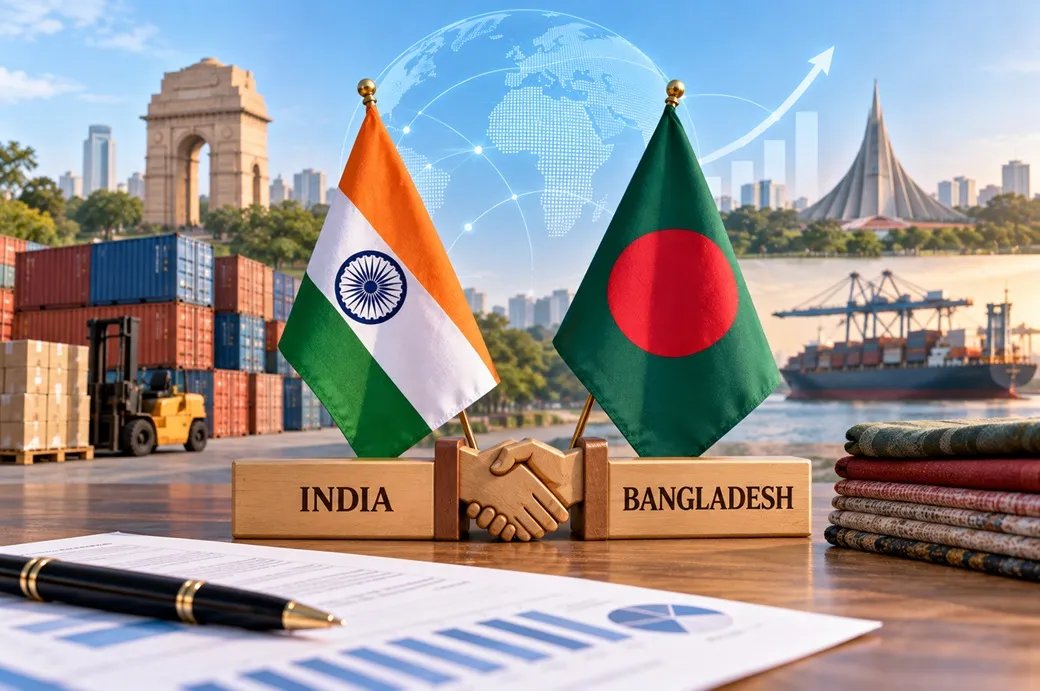
India Pushes for Enhanced Economic Integration with Bangladesh to Boost Regional Trade
In a strategic move to bolster economic cooperation, India has officially advocated for a significant strengthening of trade and investment links with Bangladesh. The proposal centers on the critical removal of existing tariff and non-tariff hurdles that have long hindered the seamless flow of goods between the two neighboring nations. By fostering deeper business-to-business (B2B) collaboration and improving commercial connectivity, both countries aim to tap into the vast potential of their shared market.
The initiative was formally proposed by the Indian Deputy High Commissioner to Bangladesh, Pawankumar Tulshidas Badhe, during a high-level meeting in Dhaka on September 20. Held with the Administrator of the Federation of Bangladesh Chambers of Commerce and Industry (FBCCI), Md Fazlul Hoque, the discussion underscored the necessity of institutionalizing private-sector cooperation to accelerate regional growth.
Proposing a B2B Task Force
A cornerstone of this renewed diplomatic push is the creation of a dedicated B2B task force. This proposed body is intended to act as a bridge between the private sectors of India and Bangladesh, ensuring that entrepreneurs and industrial houses have a formal platform to address operational challenges and explore joint ventures.
Deputy High Commissioner Badhe indicated that the Indian diplomatic mission is in constant dialogue with government authorities on both sides to expedite the formal establishment of this task force. He explicitly sought the active participation and backing of the FBCCI, noting that the support of Bangladesh’s leading trade organization is essential to making the initiative a functional success.
Md Fazlul Hoque responded positively to the suggestion, acknowledging that a joint task force would be a transformative step for bilateral commerce. He encouraged the business communities of both nations to look beyond traditional sectors and prioritize investments in emerging industries, which could serve as the next engine for economic development in South Asia.
Streamlining Border Logistics and Visa Access
Beyond industrial collaboration, the dialogue also addressed the practical logistical challenges that frequently impede cross-border trade. The participants emphasized the need for a more transparent and efficient regulatory environment to minimize the friction caused by non-tariff barriers, which have historically slowed down the movement of goods.
Visa facilitation emerged as another key priority. Addressing concerns regarding travel for business purposes, Badhe highlighted that the Indian High Commission in Dhaka has already taken steps to streamline the visa application process. The mission is currently processing approximately 5,000 visas on a daily basis, a figure intended to support the high demand for movement between the two countries. This commitment to ease of travel is viewed as a vital component in nurturing the personal and professional relationships necessary to drive long-term investment.
As India and Bangladesh move toward these deeper economic ties, the collaborative framework discussed in Dhaka marks a shift toward a more integrated regional value chain. If successfully implemented, the proposed B2B task force and the dismantling of trade barriers could pave the way for a more resilient and prosperous bilateral partnership, benefiting businesses and consumers across the border.
Disclaimer: This content is auto-generated for informational purposes only.
Source: Read Original News