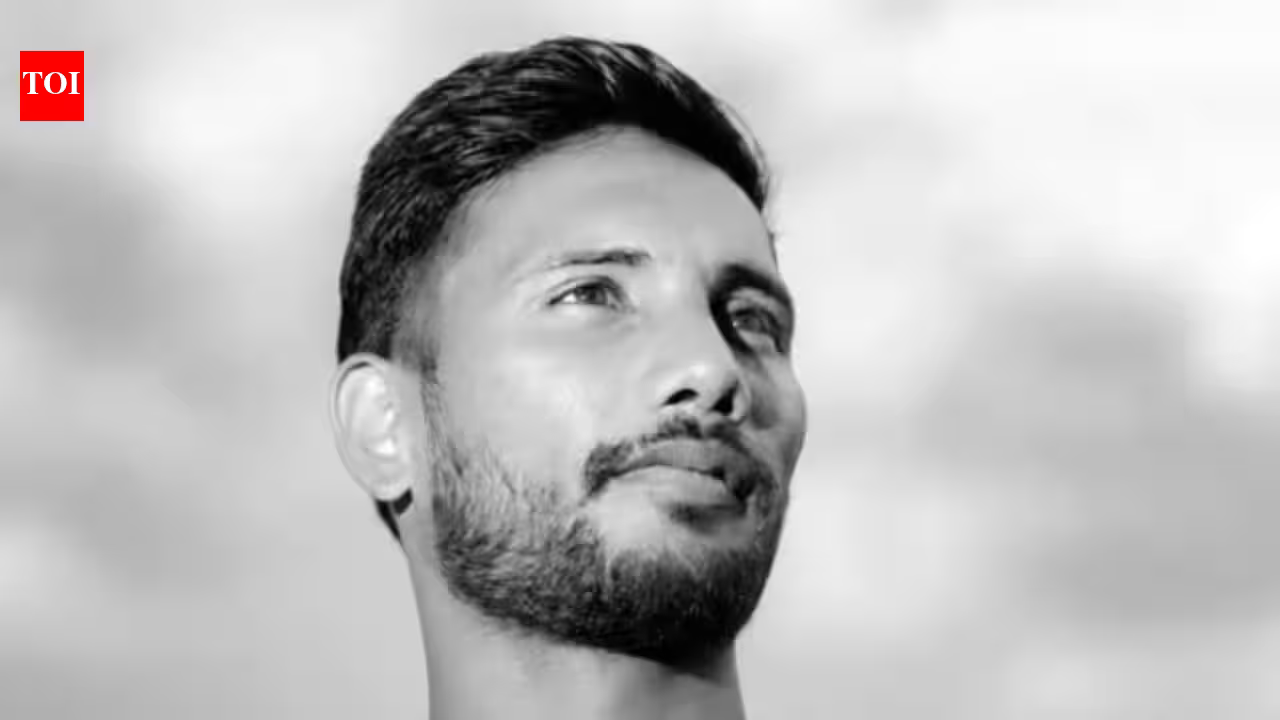

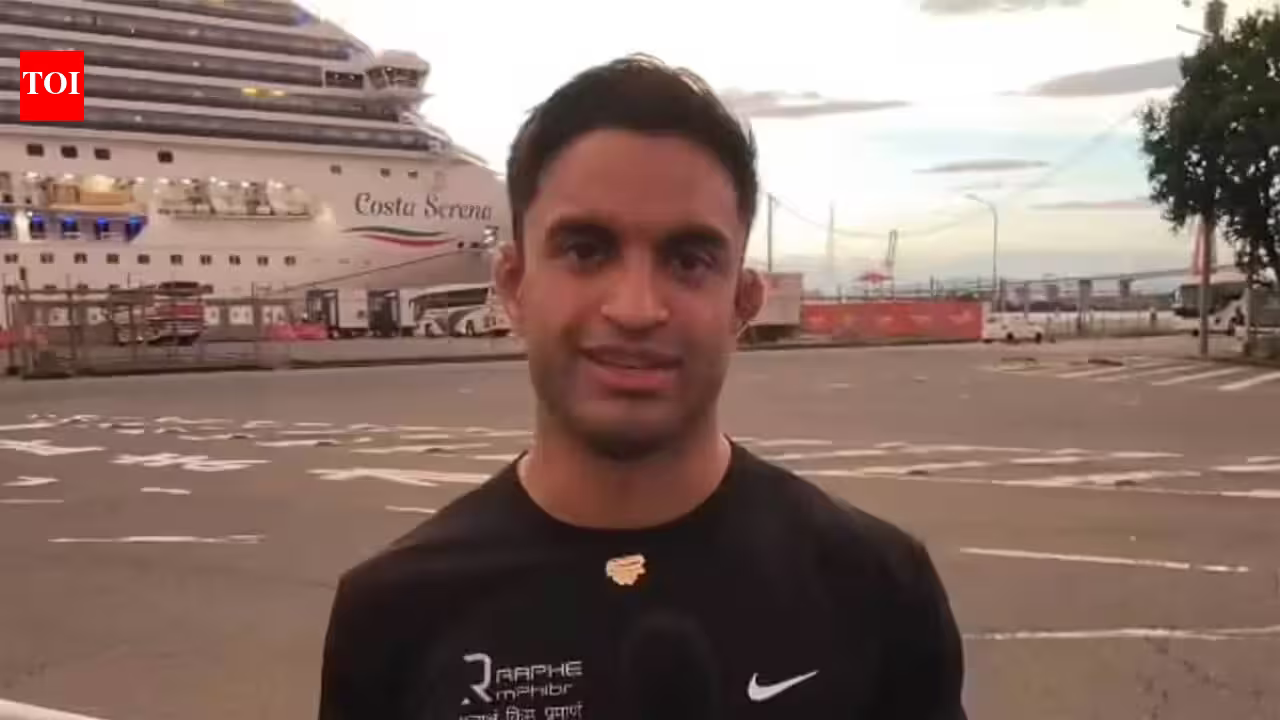



DISAPPOINTMENT and introspection define the current state of Indian MMA fighter Varun Sanyal, who has publicly addressed the harrowing health crisis that forced his withdrawal from the Asian Games in Aichi-Nagoya. The 27-year-old athlete, slated to compete in the men’s traditional 77kg category, suffered a mid-weight-cut blackout that left him incapacitated and ultimately stripped him of his chance to represent his country on the international stage.
Reflecting on the incident, Sanyal did not mince words regarding his own actions, labeling his attempt to manage a high-stakes weight cut in total isolation as “quite foolish.” However, his admission of personal error was punctuated by a pointed critique of the systemic failures that left him unattended in such a vulnerable state.
A Lone Struggle Leads to Danger
The harrowing incident occurred on Sunday while Sanyal was attempting to meet the 77kg requirement within the confines of his cruise-ship accommodation. MMA weight cutting is a notoriously grueling process that requires professional oversight, hydration monitoring, and medical supervision—resources that were entirely absent for the Indian fighter.
“I came here on two weeks’ notice, I found out relatively late. I obviously had a bunch of accommodation issues, and then I was all by myself on a weight cut. In retrospect, that was quite foolish of me to do,” Sanyal stated in an interview.
The severity of the situation became apparent when Sanyal collapsed during a sauna session. The consequences could have been fatal had it not been for the intervention of a fellow athlete. According to the MMA Sports Federation of India (MSFI) president, Nikhil Kunder, a competitor from Nepal discovered Sanyal in an unconscious state, successfully roused him, and immediately alerted officials. Sanyal was subsequently rushed to a local hospital.
While the Indian Olympic Association (IOA) reported that the fighter suffered from “generalized cramps and body ache” and that his subsequent blood tests returned normal results, the decision was made that he was medically unfit to step into the cage. The risk of competing in a high-intensity combat sport after such a physiological collapse proved too great.
Systemic Failures and Administrative Chaos
Beyond the physical toll, Sanyal’s story sheds light on the logistical instability surrounding India’s MMA contingent at the Games. With no support staff traveling with the team to Aichi-Nagoya, athletes were left to navigate the complexities of international competition on their own. Sanyal himself had previously spoken out about the chaotic nature of the Games’ housing, describing situations where athletes were forced to wait for eight to 10 hours without food just to access their rooms.
“I had no choice but to do it by myself,” Sanyal remarked. “That’s a question, to be honest, I would like the public to ask: why was I alone? But, you know, things happen, life goes on. I don’t want to sit here and feel sorry for myself.”
The late-notice inclusion of Sanyal on September 2 added another layer of strain. Having previously qualified in January, the uncertainty surrounding the selection process had led the fighter to pivot his attention toward his professional career. It was only after another athlete failed to rank high enough that Sanyal was called back to the national squad on just a fortnight’s notice.
Looking Forward: Pride Amidst Adversity
Despite the abrupt end to his Asian Games journey, Sanyal has refused to adopt a defeatist attitude. He remains focused on the broader success of the Indian team, specifically highlighting the achievement of Suchika Tariyal, who secured India’s first-ever MMA medal at the Games after a hard-fought semifinal run in the women’s 60kg division.
“Rather than focusing on what could have happened, we focus on what did,” Sanyal noted. “Despite all the challenges that the federation has faced over the last year, we came out with a medal. It is huge. So, yeah, rather than being disappointed, I’m more proud of such a good result.”
Sanyal’s tenure at the Asian Games may have ended in a hospital bed rather than on the podium, but his transparency serves as a stark reminder of the physical demands of combat sports and the critical necessity for proper infrastructure. As the Indian MMA community continues to grow on the world stage, the conversation surrounding athlete welfare and the responsibilities of sports federations is likely to become a central point of debate.
For Sanyal, the focus now shifts back to the professional circuit. Having learned the hard way that ambition must be tempered with adequate support, he remains determined to translate his skills into success in the cage, leaving behind the disappointment of Nagoya as a chapter in a much longer, and hopefully more supported, professional career.
Disclaimer: This content is auto-generated for informational purposes only.
Source: Read Original News