






The Strategic Pivot in India-China Trade Dynamics
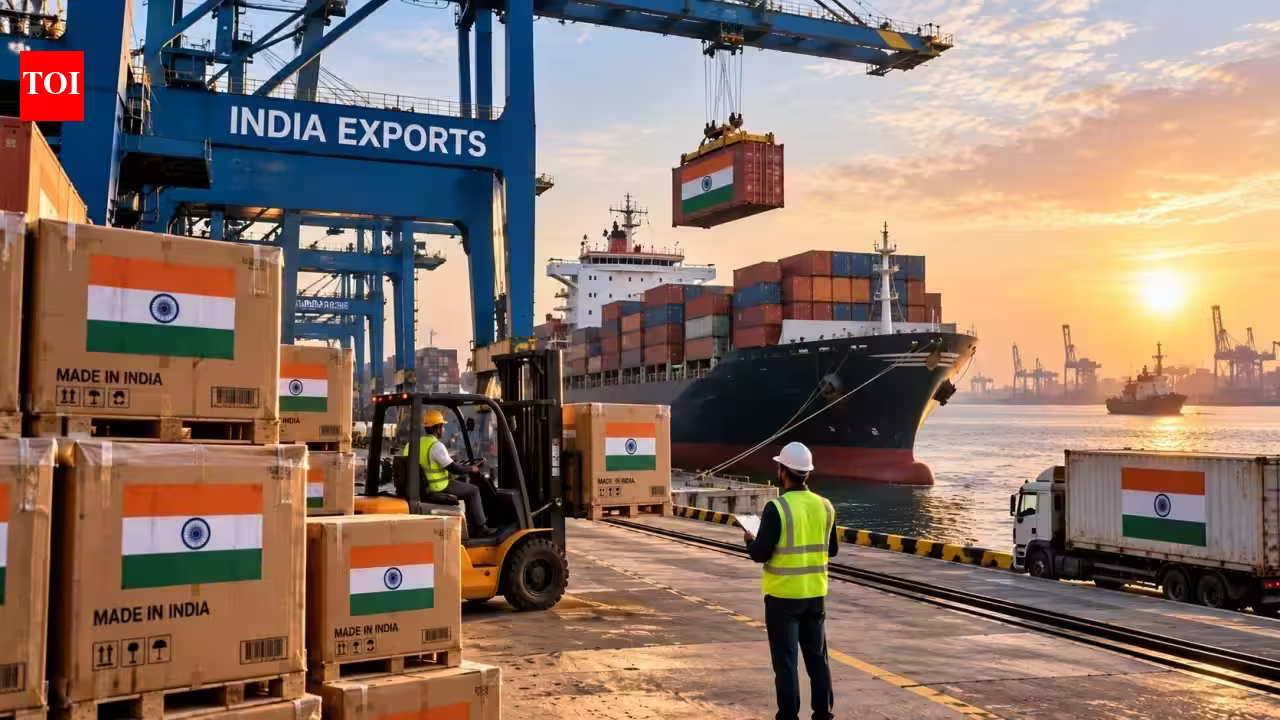
The recent surge in Indian merchandise exports to China, which recorded a growth of nearly 40% between April and August, marks a noteworthy shift in the bilateral trade narrative. Historically characterized by a persistent and lopsided trade deficit, the trade relationship between the world’s two most populous nations is witnessing a transformation driven by the rising maturity of India’s manufacturing sector. As Indian manufacturers integrate deeper into global supply chains, their ability to service the Chinese market—particularly in high-technology domains—has begun to alter the traditional composition of trade.
While the aggregate trade deficit remains significant, the focus on specific high-value sectors such as electronics and engineering goods suggests that India is moving beyond its traditional role as a mere supplier of raw materials. This shift is occurring amidst a broader realignment of global trade routes, influenced by changing geopolitical conditions and the strategic efforts of both New Delhi and Beijing to stabilize their bilateral economic engagements.
Electronics as a Catalyst for Export Growth
The most striking development in recent export data is the performance of the electronics sector. India’s electronics shipments to China grew by more than 15% during the five-month period ending in August, building on a momentum that saw these exports nearly triple to $3.18 billion in the previous fiscal year. Industry experts point to the global proliferation of artificial intelligence and the expansion of data infrastructure as primary drivers for this demand.
As the global appetite for high-end computing components and telecom equipment scales up, Indian suppliers are finding opportunities to provide specialized sub-assemblies. The rise in exports of printed circuit board assemblies and display modules indicates that India is no longer restricted to low-end assembly tasks. Instead, the country is gaining traction in manufacturing segments that require precision and adherence to rigorous quality standards. This trajectory is essential for India’s objective of becoming a key node in the global electronics value chain, a goal supported by various production-linked incentive schemes that seek to bolster domestic manufacturing capabilities.
Broadening the Base: Engineering and Industrial Goods
Beyond electronics, the growth in engineering exports has been equally pivotal. Registering a 21% increase during the same period, this sector underscores the diversifying nature of India’s export basket. The demand for Indian machinery, auto components, and specialized hand tools in the Chinese market reflects a growing confidence in the competitiveness of Indian industrial outputs.
For many Indian manufacturers, the challenge has traditionally been breaking into the Chinese market, which is known for its highly integrated and competitive domestic supply base. However, the recent data suggests that Indian firms are successfully carving out niches where quality and supply chain reliability are becoming critical differentiators. By supplying components and machinery that feed into Chinese industrial processes, Indian firms are effectively turning the competitive threat of Chinese manufacturing into a collaborative opportunity, even if the scale of such engagement remains relatively nascent compared to India’s total global export volume.
Navigating the Persistent Trade Deficit
Despite the positive growth trajectory, it is imperative to maintain a realistic perspective on the scale of the trade relationship. China remains a relatively minor destination for India’s total exports, accounting for approximately 4.4% of the country’s total outbound shipments. Conversely, the volume of imports from China continues to dwarf Indian exports by a wide margin. The trade imbalance, which resulted in a deficit exceeding $110 billion in the 2025-26 assessment, remains a structural issue that cannot be rectified by export growth alone.
A significant portion of this deficit is tied to the heavy reliance of Indian industries on Chinese electrical machinery and sophisticated electronic components. Because China holds a dominant position in over 80% of specific tariff lines, India’s import bill is naturally skewed. The path to a more balanced trade relationship, therefore, requires a two-pronged strategy: increasing the competitiveness of Indian exports to capture a larger share of the Chinese market, and simultaneously fostering domestic self-reliance in critical components to reduce the reliance on imports.
The Role of Data and Future Policy Outlook
One hurdle in analyzing this trade shift is the inconsistency in reporting and classification of goods. Discrepancies between Indian export data and Chinese import statistics regarding electronics complicate the task of pinpointing the exact product categories driving growth. Industry analysts highlight that these classification differences often arise from the complex nature of global value chains, where components pass through multiple jurisdictions before reaching their final destination. Standardizing these metrics will be essential for policymakers to gain a clearer understanding of where India’s strengths truly lie.
As government officials from both nations engage in discussions to address structural imbalances and build mutual trust, the focus is shifting toward institutional cooperation. Sustaining this export momentum requires more than just short-term demand spikes; it demands a long-term commitment to enhancing Indian design and component capabilities. For India, the current export surge serves as a proof of concept. If Indian manufacturers can successfully integrate themselves into the competitive Chinese industrial ecosystem, it will provide a template for scaling exports to other global markets.
Ultimately, while the current export numbers provide an encouraging signal, the long-term success of this trade shift depends on India’s ability to transition from exporting intermediate parts to becoming a comprehensive supplier of advanced technological solutions. As New Delhi navigates this complex economic landscape, the emphasis must remain on building a sustainable, high-value manufacturing base that can withstand the fluctuations of global trade and leverage opportunities even within the most competitive of markets.
Disclaimer: This content is auto-generated for informational purposes only.
Source: Read Original News