







A massive technical failure within the Federal Aviation Administration’s (FAA) air traffic control systems triggered widespread chaos across the U.S. Northeast on Monday, grounding hundreds of flights and forcing dozens of aircraft to seek refuge at alternative airports. The outage, which originated at a Terminal Radar Approach Control (TRACON) facility in Philadelphia, highlighted the precarious reliance on legacy infrastructure in an era increasingly dominated by cloud-based logistics and real-time AI optimization.
A Digital Bottleneck in the Northeast Corridor
The disruption began when the Philadelphia TRACON facility—the vital command center responsible for managing the complex airspace around Philadelphia and Newark—suffered a critical equipment failure. Specifically, the facility reported issues with radio frequencies used to communicate with incoming and outgoing flights. Because this hub serves as a primary navigational backbone for Newark Liberty International Airport, Teterboro Airport, and Philadelphia International, the loss of reliable communications essentially blinded air traffic controllers to the specific positions and status of aircraft in the region.
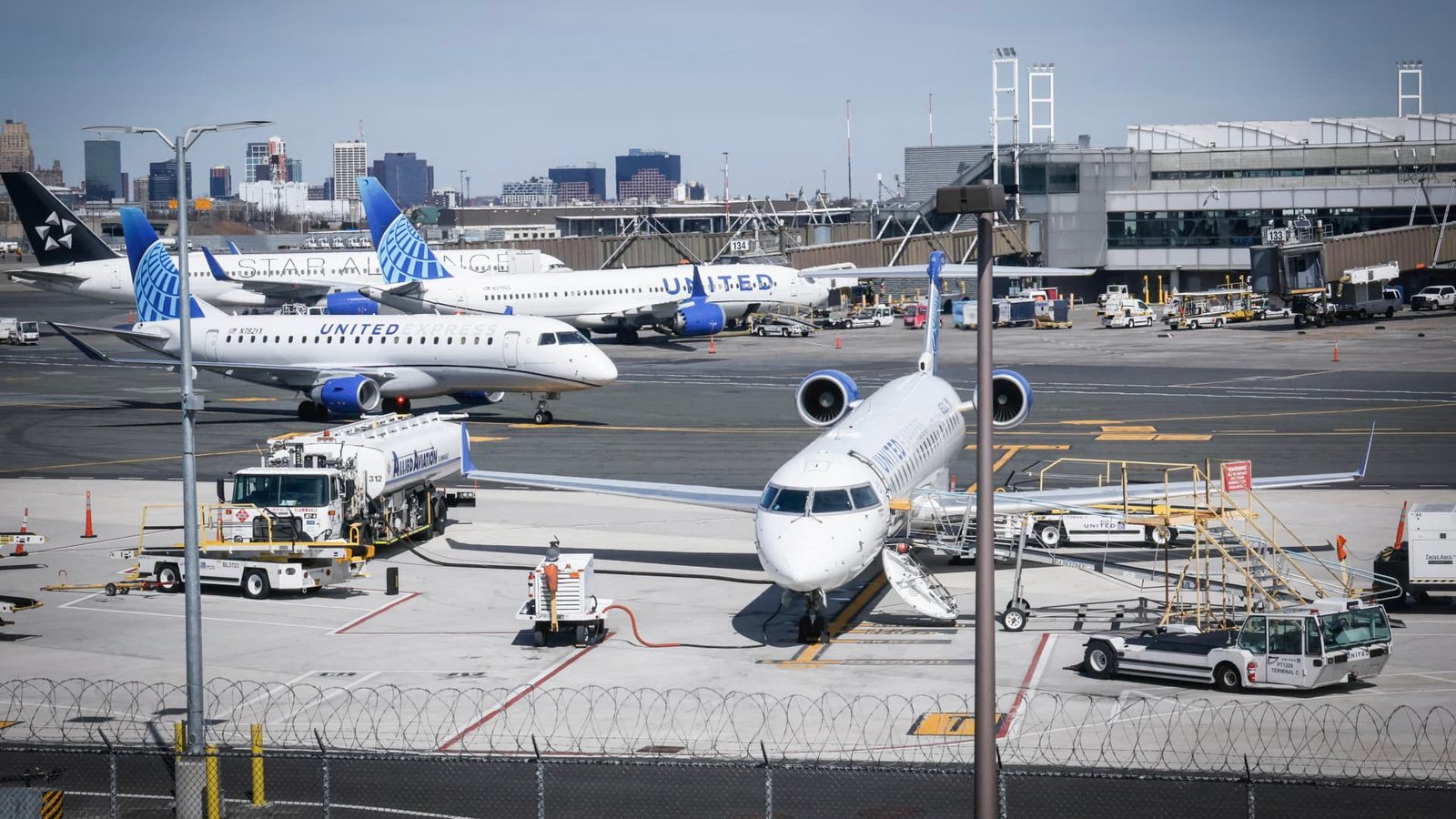
By midday, the cascading effects of the outage reached New York City. The FAA was forced to implement ground stops at both LaGuardia Airport and John F. Kennedy International Airport to manage the overwhelming air traffic volume. FlightAware data indicated that Newark alone saw over 250 delays, accounting for more than 20% of its daily operational schedule. Perhaps most significantly, tracking services reported that 67 flights—many of which were long-haul international journeys arriving from destinations like Greece, Spain, and Iceland—were forced to divert to airports as far away as possible to avoid low-fuel scenarios in holding patterns.
The Tech Industry’s Role in Modernizing Airspace
While the FAA has not yet detailed the specific hardware or software protocols involved in the failure, the incident underscores a broader conversation regarding the modernization of the National Airspace System. Aviation experts have long argued that the current infrastructure requires a transition toward more resilient, decentralized tech stacks similar to those used by modern cloud service providers.
In the private sector, companies like Google and Amazon have paved the way for “always-on” global infrastructure through distributed cloud computing. If the FAA were to integrate more advanced machine learning models and AI-driven predictive maintenance, systems could theoretically detect irregularities in frequency transmission or equipment degradation before they result in a total blackout. Furthermore, the integration of AI-powered “digital twins”—virtual replicas of air traffic systems—could allow technicians to simulate failures and reroute traffic autonomously, preventing the human-managed “ground stop” reactions that currently cause such massive ripple effects for the economy.
Traveler Impacts and the Push for Transparency
United Airlines, one of the carriers most significantly impacted given its heavy presence at the Newark hub, acted quickly to mitigate the fallout by waiving flight change fees for stranded passengers. This move provided some relief to travelers, but the incident serves as a stark reminder of how fragile global transit remains.
For the tech industry, these disruptions represent a persistent opportunity. As Google continues to expand its enterprise cloud offerings, there is significant interest in how high-availability, low-latency computing can be applied to public utility infrastructure. Currently, the aviation industry remains a “slow-adopter” compared to logistics and e-commerce giants. However, as the frequency of technical glitches in aviation increases, the push for a total overhaul—utilizing modern cybersecurity, robust API architectures, and AI-driven traffic management—will likely become a top priority for federal regulators and legislative bodies.
For now, travelers are advised to monitor official FAA status updates and airline apps, which have become the primary interface for real-time crisis communication. As the investigation into the Philadelphia frequency failure continues, the event serves as a wake-up call for the necessity of investing in the digital architecture that keeps the world in motion.
Disclaimer: This content is auto-generated for informational purposes only.
Source: Read Original News