




The Intersection of Gaming Icons and Cryptocurrency
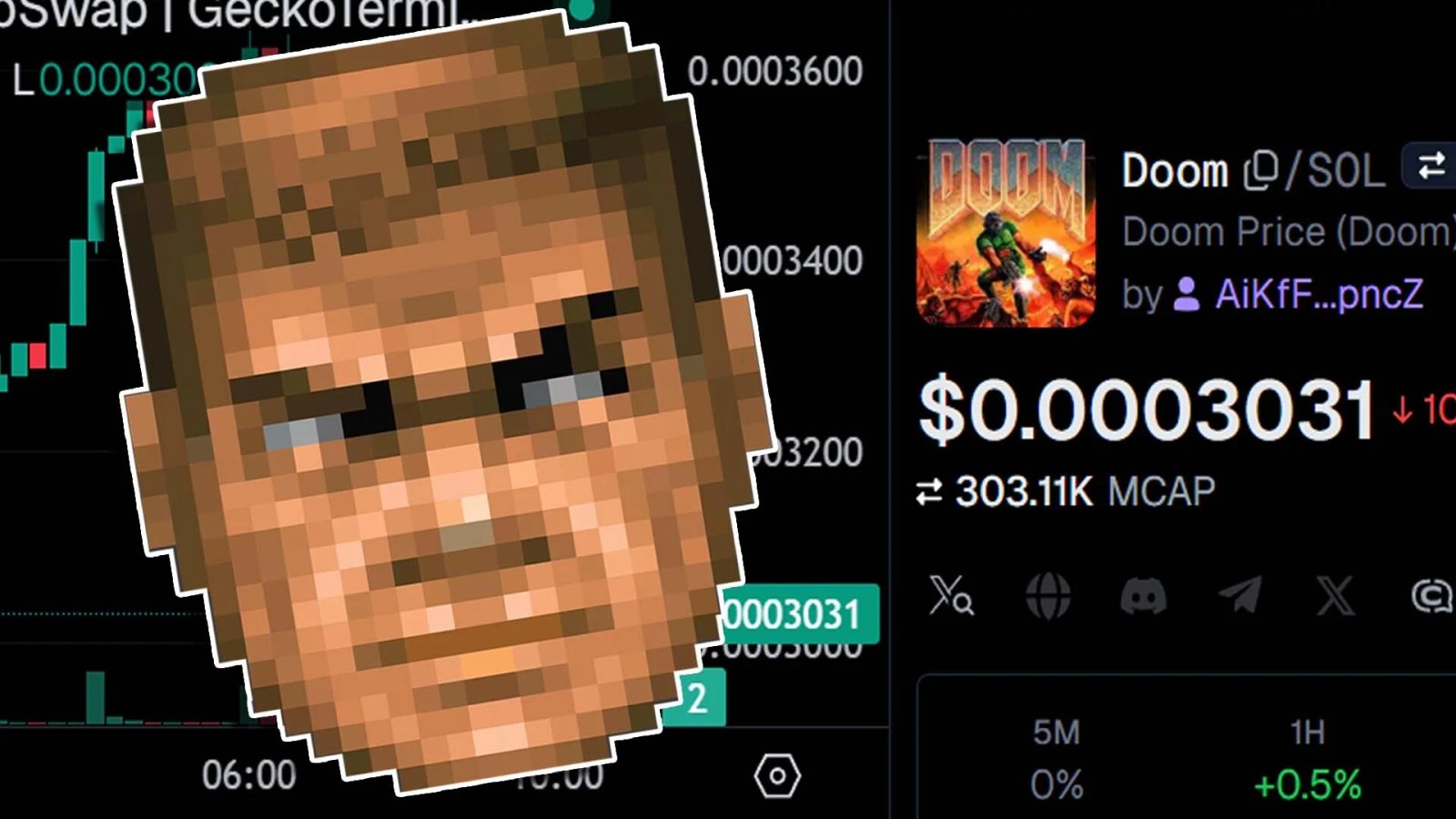
The legacy of the foundational first-person shooter Doom is built upon decades of community contribution, open-source engine modifications, and a dedicated fanbase. However, a recent development involving one of the industry’s most recognizable figures has thrust the franchise into the volatile world of cryptocurrency. Sandy Petersen, the legendary designer who played a crucial role in creating the level architecture for the original Doom and its sequel, recently became the face of a campaign surrounding a memecoin dubbed “$DOOM.”
The situation began in early August 2026, when Petersen utilized his social media presence to promote a newly minted token on the Solana blockchain. By posting videos of himself purchasing the memecoin and encouraging his followers to join him in building a community around the project, Petersen signaled an unusual pivot for a developer typically associated with classic gaming history. The promotion quickly expanded to include a browser-based project titled Doomsol, marketed as an interactive experience where players could potentially earn cryptocurrency while traversing environments inspired by the original title.
Analyzing the Mechanics of the Token Promotion
From a technical perspective, the promotion of $DOOM functioned through common social media engagement strategies often seen in the speculative token market. Petersen posted multiple videos of himself investing thousands of dollars into the project, aiming to establish credibility and encourage liquidity. The project attempted to leverage the nostalgic authority of the Doom brand to drive traffic to the Solana-based token.
However, the legitimacy of the project faced immediate scrutiny from the cybersecurity and gaming communities. Observations revealed that the promotional material was not entirely accurate; for instance, video demonstrations of Doomsol were found to be using assets from Freedoom, a separate, non-commercial open-source project. The developers of Freedoom publicly disavowed any connection to the memecoin, labeling the endeavor a risk to consumers. Within a short duration, the project suffered a classic “rug pull,” a situation where the primary liquidity is withdrawn by the creators, causing the token’s value to crash. Despite temporary attempts by organizers to restart the project, the value failed to recover, and the associated websites were eventually taken offline.
Legal Limitations and Intellectual Property Risks
The deployment of Doomsol raised significant legal questions regarding the use of intellectual property. Petersen’s public defense centered on the notion that the original Doom code exists under an open license. While it is true that the Doom engine is available for public experimentation and porting, intellectual property law draws a firm line between non-commercial engine modification and the unauthorized use of trademarks or copyrighted assets for financial gain.
Using established logos, titles, and graphical assets to promote a commercial cryptocurrency project violates the standard terms of use maintained by Bethesda and id Software. The practice of “brand jacking”—where an unofficial project uses the reputation of a major franchise to foster trust—is a primary concern for corporations. The Doomsol project attempted to bypass traditional game development oversight by framing the project as a community-driven initiative, yet the integration of speculative financial assets transformed the project from a fan tribute into a commercial liability.
Bethesda’s Response and Protection of the Brand
In response to the confusion surrounding the affiliation of Doomsol with the official franchise, Bethesda has initiated formal legal action. A spokesperson for the company clarified that while they maintain a long-standing appreciation for the creative community that builds upon their engine, they must differentiate between grassroots fan projects and unauthorized commercial ventures. The company’s stance is that consumers deserve clarity regarding what is an official product and what is not.
The legal intervention is primarily intended to protect the integrity of the Doom brand. By sending legal counsel to address the individuals responsible for the project, the publisher is asserting that the unauthorized use of their assets to support high-risk financial products is unacceptable. This move serves as a broader reminder to the gaming community that while open-source licenses allow for creative freedom, they do not grant the right to misrepresent a product as an official iteration in a way that risks consumer harm.
The Broader Impact on Gaming and Web3
This episode illustrates the growing tension between legacy gaming entities and the decentralized finance sector. As more creators look for ways to monetize their reputation, the appeal of memecoins and tokenized games has increased. However, the lack of regulatory oversight and the propensity for scams in the memecoin space create a precarious environment for established figures.
When industry veterans align their personal brand with speculative financial tokens, the resulting volatility can damage their long-term standing in the gaming industry. Furthermore, the incident serves as a case study in the risks of the “play-to-earn” model when it is detached from sustainable game design. For developers and fans alike, the situation serves as a warning: the strength of a gaming community is found in its collaborative creativity, not in the rapid, unregulated promotion of volatile digital assets. As the legal dust settles, the event remains a clear example of the friction that arises when professional reputations are leveraged to bridge the gap between classic entertainment and unregulated blockchain speculation.
Disclaimer: This content is auto-generated for informational purposes only.
Source: Read Original News