







The fall of 2007 stands as a singular anomaly in the history of interactive entertainment. While gaming history is often punctuated by impressive release windows, the span between August and November of that year remains unparalleled. This period serves as a masterclass in software development, showcasing the convergence of established franchises reaching their peak and experimental new intellectual properties successfully finding an audience despite intense market competition.
The Narrative Evolution of the First-Person Shooter
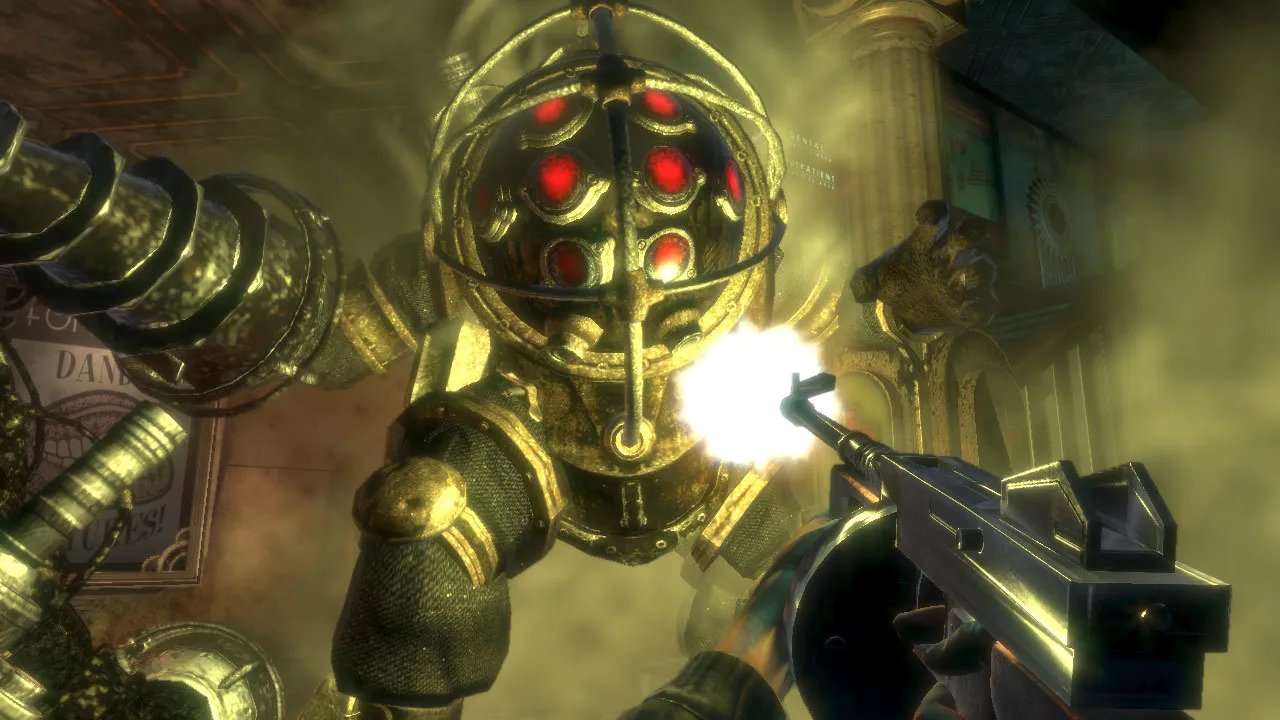
The era was defined by a shift toward more sophisticated, narrative-driven experiences within the first-person perspective. BioShock, released in late August, demonstrated that a linear shooter could carry the thematic weight of a great novel. By utilizing the underwater city of Rapture as a backdrop, the game introduced players to a world governed by philosophy and emergent gameplay. The ability to manipulate the environment—such as electrocuting water-bound enemies or igniting oil spills—introduced a level of strategic depth that moved beyond simple reflexes.
Simultaneously, Halo 3 arrived in September to conclude a trilogy that had effectively established the Xbox as a dominant console force. By focusing on mechanical polish and the resolution of long-standing plot threads, Bungie provided a template for how to conclude a high-stakes science fiction saga. Meanwhile, Call of Duty 4: Modern Warfare shifted the industry standard by abandoning World War II for contemporary conflict. This title transformed the genre through a focus on cinematic pacing and the establishment of a multiplayer infrastructure that remains the bedrock of the franchise’s current success.
The Rise of Platform-Defining Exclusives
Fall 2007 was also a showcase for platform-specific innovation, with Nintendo, Sony, and PC developers pushing their respective hardware to new limits. Super Mario Galaxy on the Wii utilized gravity-based mechanics to reinvent the 3D platforming genre, creating spatial puzzles that were both intuitive and mechanically complex. Its design philosophy remains a benchmark for spatial navigation in gaming.
On the technical front, the PC platform saw the release of Crysis. The game gained a reputation for being an exhaustive stress test for computer hardware, with the question “Can it run Crysis?” becoming a shorthand for performance capabilities for over a decade. Beyond its high-fidelity visuals, the game provided a sandbox for tactical combat, allowing players to utilize different suit abilities to approach objectives. Conversely, Sony’s entry, Uncharted: Drake’s Fortune, established the cinematic third-person action-adventure as a premier PlayStation offering. The game’s focus on high-production values and character-driven narratives set a trajectory that would eventually define the company’s first-party strategy for years to come.
Innovation Through Bundling and New IP
Perhaps the most surprising development of the season was the release of The Orange Box. Valve’s decision to bundle multiple high-quality titles—Half-Life 2, its two expansions, Portal, and Team Fortress 2—into a single consumer-friendly package defied standard publishing models of the time. This move provided an immense amount of content in a single purchase, solidifying Valve’s reputation for prioritizing player value and creative integrity.
This season also proved that the holiday market could support new intellectual properties, even when surrounded by established blockbusters. Despite the density of the release schedule, Assassin’s Creed and Mass Effect managed to secure significant market footholds. Both games introduced foundational concepts—social stealth for the former and complex branching dialogue and morality systems for the latter—that would eventually evolve into long-running, multi-entry franchises. These games illustrated that publishers were willing to take significant financial risks on bold, experimental ideas.
The Impact of Cooperative Social Gaming
The social component of gaming also reached a critical turning point during this time with the launch of Rock Band. Unlike previous rhythm games that focused on solitary or high-score-driven play, Rock Band introduced a synchronized multiplayer structure that relied on hardware peripherals. By enabling players to simulate the experience of a band through guitar, bass, drums, and vocals, it created a communal atmosphere that few titles before or since have been able to replicate.
The hardware requirements for the game have created a unique legacy; while the software remains an achievement in game design, the rarity of functioning instrument controllers today highlights the challenge of maintaining legacy interactive experiences. Nevertheless, the cultural impact of these social titles reinforced the concept of the console as a hub for living room social interaction, setting a standard for multiplayer engagement that persists in modern gaming.
Legacy and Industry Reflection
Analyzing the Fall of 2007 through a contemporary lens reveals a period of extreme density that is unlikely to be repeated. The combination of industry-defining sequels, a revolution in shooter design, and the successful birth of enduring franchises created a “perfect storm.” This era was not merely a collection of high-scoring games; it was a transition point where developers moved away from simple action loops toward deep, interconnected systems and cinematic presentation.
The legacy of this three-month window is reflected in how current industry leaders approach long-term franchise management, hardware performance, and the integration of narrative into gameplay. As we review the trajectory of the last 25 years of platform growth, the events of late 2007 stand as the definitive peak of software quality and diversity, serving as a reminder of what occurs when creative ambition is met with the capacity to execute on a massive scale across all gaming platforms.
Disclaimer: This content is auto-generated for informational purposes only.
Source: Read Original News