





Opposition Mounts as States Settle in Warner Bros. Discovery–Paramount Merger
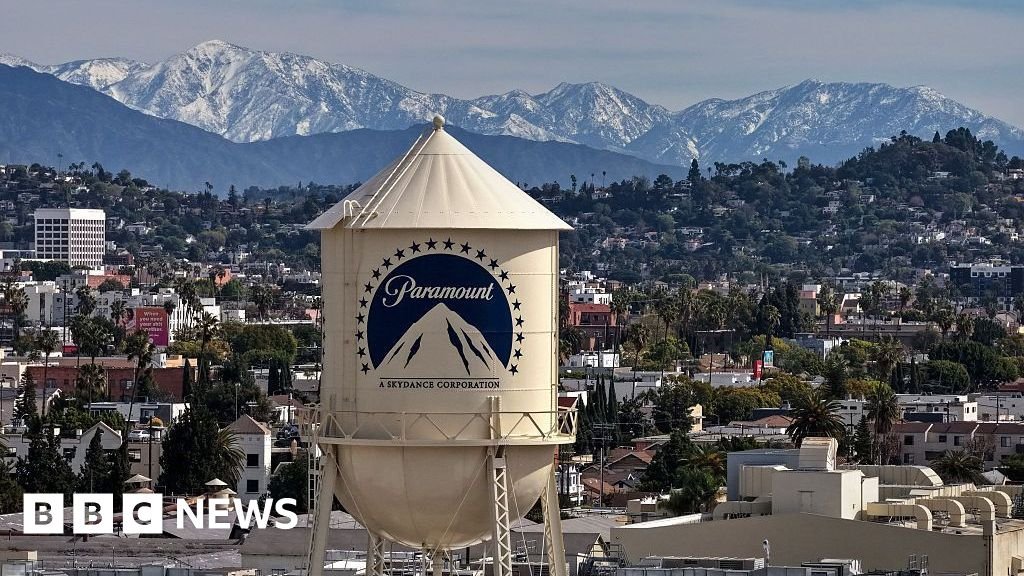
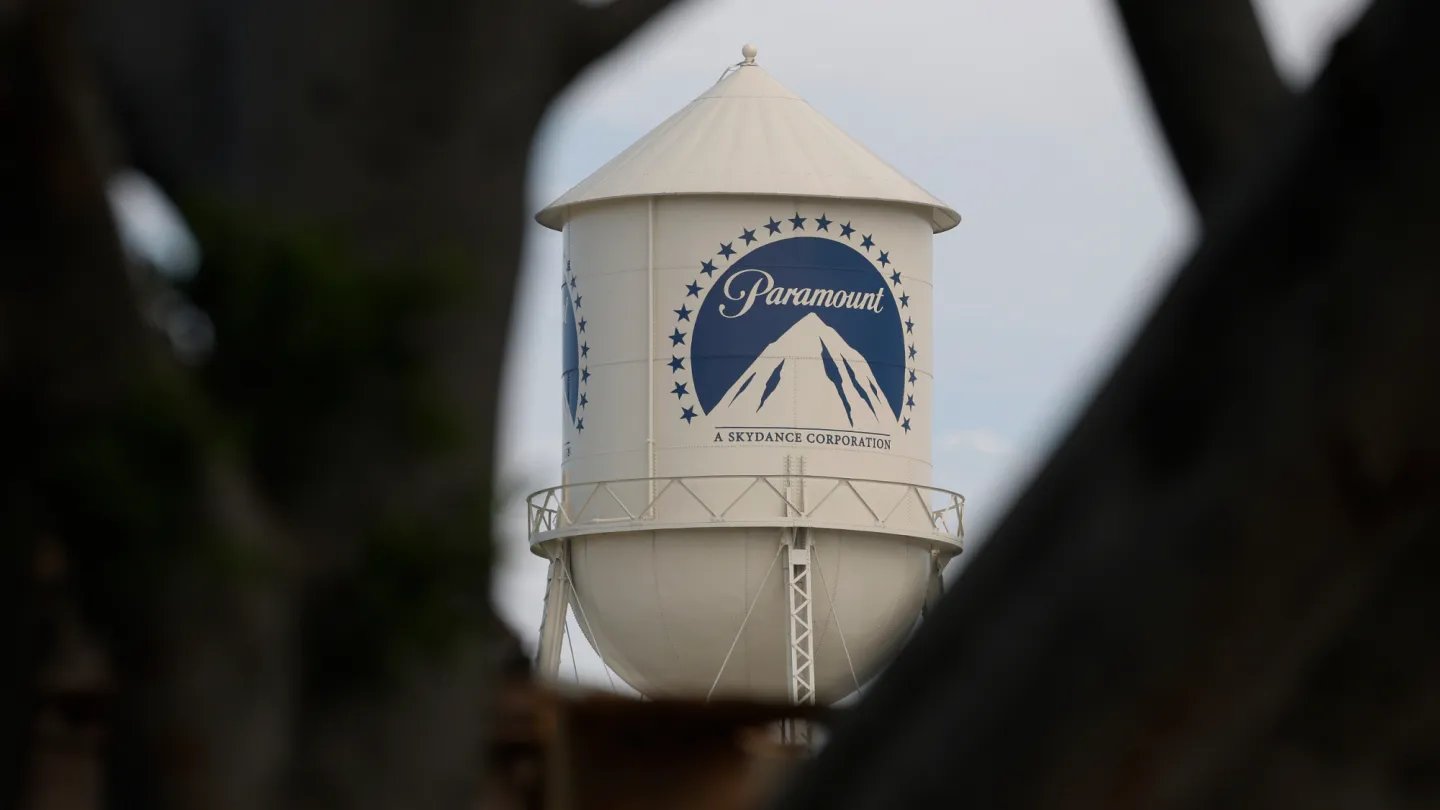
The landscape of American media is on the verge of a seismic shift, as a coalition of 12 states officially settled their antitrust lawsuit against the Warner Bros. Discovery (WBD) and Paramount merger. The agreement, spearheaded by David Ellison’s camp, clears a massive legal hurdle for the consolidation of two of Hollywood’s oldest titans. However, the resolution has been met with immediate backlash from labor advocates, high-profile activists, and watchdog groups who argue the deal sacrifices public interest for corporate gain.
The settlement includes a series of concessions intended to soften the blow of the merger. Among these are commitments to maintain operations at both production lots, invest in new workforce training programs, boost U.S. film production spending, and implement measures to curb aggressive price hikes at movie theaters.
A Wave of Corporate Criticism
Despite the conciliatory gestures, the reaction from antitrust watchdogs was sharp. The American Economic Liberties Project, which has been instrumental in organizing worker opposition, characterized the settlement as a triumph of corporate influence over democratic oversight.
Alvaro Bedoya, a senior advisor at the group and a former FTC commissioner, did not mince words regarding the implications of the deal. He highlighted concerns that the merger would empower a conglomerate with close ties to the executive branch to control critical news outlets, even involving foreign entities like Saudi Arabia’s sovereign wealth fund in the ownership structure.
“Billionaires have yet again bribed, censored, and bullied their way to the top,” Bedoya stated. The organization warns that the fallout will likely include widespread layoffs, citing a summer report from Los Angeles County that projected the loss of over 10,000 combined direct and indirect job-years. The “Block the Merger” coalition echoed these sentiments, labeling the settlement a “bad deal” for independent journalism and the broader health of American democracy. Actor Mark Ruffalo added to the social media firestorm, suggesting the resolution represented a political victory for billionaire interests.
Tech and Industry Pressure Points
The path to this settlement was fraught with political tension. Earlier this year, California Attorney General Rob Bonta notably accused David Ellison of “blackmail” after reports surfaced that the executive threatened to relocate Paramount’s operations out of the state if the lawsuit proceeded.
However, as the legal battle threatened to stall the industry, a powerful bloc of stakeholders began to pivot. California Governor Gavin Newsom, Los Angeles Mayor Karen Bass, and major Hollywood unions like IATSE and the DGA shifted their stance, pushing for a swift resolution to prevent prolonged economic uncertainty.
The tech and entertainment industry is increasingly defined by rapid consolidation, where AI-driven content pipelines and platform control have become the new gold standard. While the Directors Guild of America (DGA) signaled support for the agreement, congratulating the parties on addressing key concerns, others remain skeptical. For many, the focus now turns to how the regulatory environment handles the growing dominance of these mega-conglomerates.
As digital distribution and algorithmic curation reshape how Americans consume media, critics argue that such mergers concentrate too much power in the hands of a few. Whether the promised protections for theater pricing and production jobs will hold in an era of rapidly evolving streaming technology and AI integration remains a point of intense debate. For now, the legal barricades have fallen, leaving the industry to grapple with the reality of a new, consolidated behemoth.
Disclaimer: This content is auto-generated for informational purposes only.
Source: Read Original News