








A Technical Evolution of Hyrule
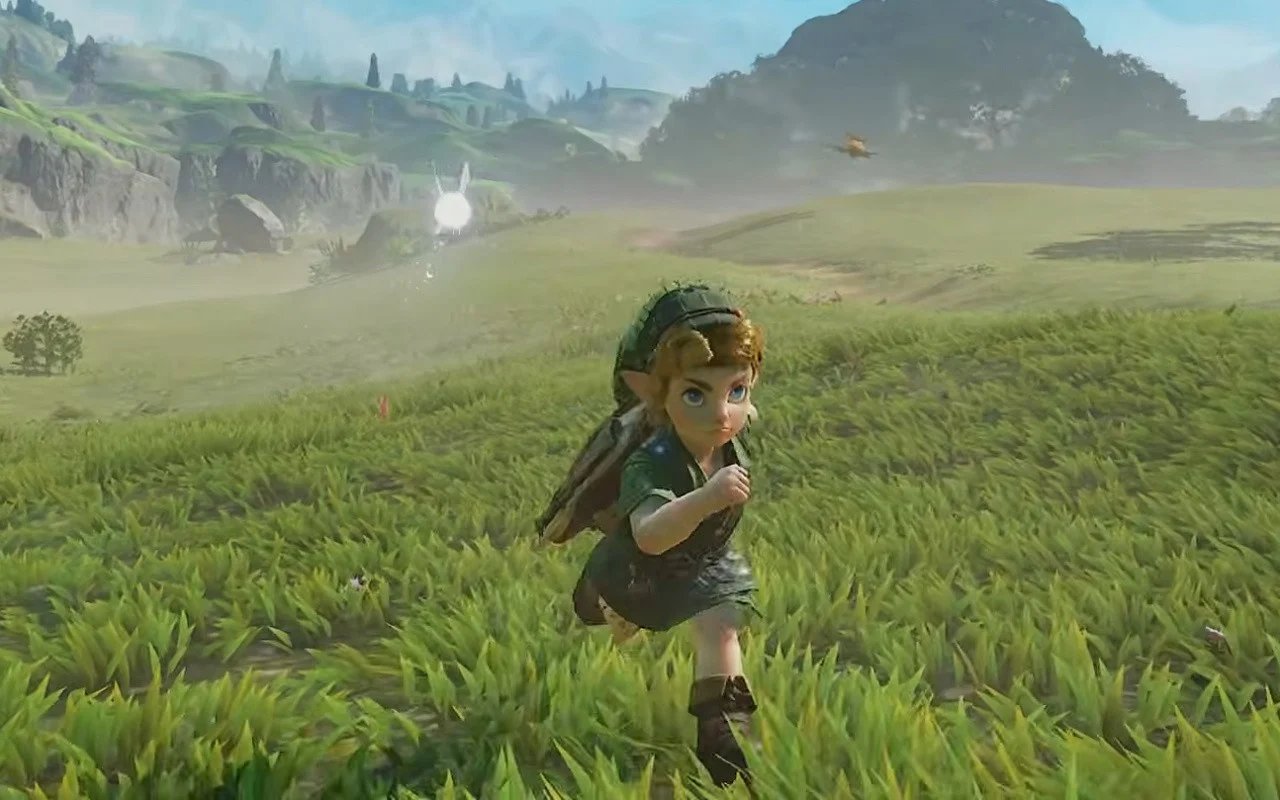
The impending arrival of The Legend of Zelda: Ocarina of Time on the Nintendo Switch 2 represents more than a simple re-release; it marks a significant technical leap for one of the most influential titles in gaming history. While the original Nintendo 64 release relied on fixed-function pipelines and extremely limited geometry buffers, the upcoming Switch 2 iteration utilizes modern rendering techniques that breathe new life into the geography of Hyrule. Recent revelations from Nintendo concerning the game’s map reveal a deliberate departure from the original source material, suggesting that the developers have moved beyond basic asset upscaling to embrace a full-scale environmental reconstruction.
The primary technical shift involves the transition from the legacy hardware’s restricted draw distances and low-resolution textures to a contemporary architecture capable of handling high-fidelity spatial data. By comparing the recently shared map artwork with the original 1998 game manual documentation, observers can discern clear topological changes. These are not merely cosmetic; they indicate a restructuring of the navigation grid and the implementation of more sophisticated terrain collision detection.
Redefining the Overworld and Spatial Geometry
In the transition to the Switch 2, the overworld of Hyrule Field has undergone a substantial transformation. The original N64 version was constrained by the hardware’s inability to render large, contiguous environments with high geometric detail, often leading to the use of loading corridors or aggressive fogging to manage system performance. On the Switch 2, the developers have utilized increased memory bandwidth and faster storage access to facilitate a more seamless experience.
The map reveal shows subtle topographical alterations that change the flow of movement between major landmarks such as Zora’s Domain, Death Mountain, and Gerudo Valley. The updated geometry suggests that the landscape has been expanded to support a more modern navigation system. While the core landmarks remain faithful to the original design, the pathways connecting them appear more organic and less reliant on the rigid square-tiled design patterns necessitated by the hardware limitations of the late nineties. This shift reflects a move toward a more integrated spatial design where the field serves as a cohesive hub rather than a fragmented buffer zone.
Advances in Interactive Cartography
Beyond the visual overhaul, the Switch 2 version introduces a robust, interactive mapping system. During the original gameplay experience, players were often limited to static screen-based maps that lacked depth and real-time integration. The new system leverages the console’s advanced processing capabilities to provide a detailed, zoomable, and layer-aware navigation tool.
This interactive map is expected to serve as a diagnostic interface for the player, providing precise tracking of assets, temple progress, and environmental markers. By utilizing high-resolution mapping data, the interface allows for significantly clearer visualization of subterranean dungeon layouts and multi-level verticality—features that were often difficult to interpret on the lower-resolution displays of the past. The increased screen real estate and processing power of the Switch 2 ensure that these map layers can be rendered with transparency and fluidity, allowing for a more intuitive understanding of the complex architectural layouts found within the game’s various temples and dungeons.
Impact of Modern Hardware on Legacy Assets
The technical impact of bringing a game designed for 32-bit architecture into a modern environment is substantial. The transition involves an update to the underlying rendering engine, allowing for dynamic lighting and shadow maps that were previously impossible to achieve. The map artwork highlights areas where environmental lighting—such as the heat haze near Death Mountain or the refractive properties of water in Lake Hylia—will likely benefit from real-time shader calculations.
By diverging from a strict 1:1 asset replication, the development team has effectively optimized the environment to align with modern display standards. This includes the implementation of higher-polygon models and textures that maintain the visual character of the original while satisfying current expectations for visual fidelity. The decision to slightly alter the shape of minimaps and the contour of Hyrule Field indicates that the team is prioritizing player convenience and gameplay flow, ensuring the experience is optimized for a contemporary hardware environment without losing the mechanical core that defined the original release.
Looking Ahead: The Significance of Remastered Landscapes
The upcoming release of Ocarina of Time on the Switch 2 underscores a broader trend in interactive media: the revitalization of legacy code through modern hardware integration. By treating the map of Hyrule as an evolving dataset rather than a static historical artifact, Nintendo is demonstrating how established intellectual property can be translated into a new format that serves both legacy fans and new players.
The technical implications of these changes are profound, suggesting a future where classic titles are not just preserved, but intelligently adapted to reflect current technological standards. As we move closer to the November launch, the focus remains on how these architectural changes influence the actual feel of the gameplay. The refinements to the geography of Hyrule are a testament to the fact that even the most well-documented game worlds can be reimagined when provided with the necessary computational overhead. This iteration of the classic title stands as a case study in how to honor a legacy while utilizing modern technology to enhance the overall player experience.
Disclaimer: This content is auto-generated for informational purposes only.
Source: Read Original News