







Strategic Expansion of India’s Global Trade Footprint
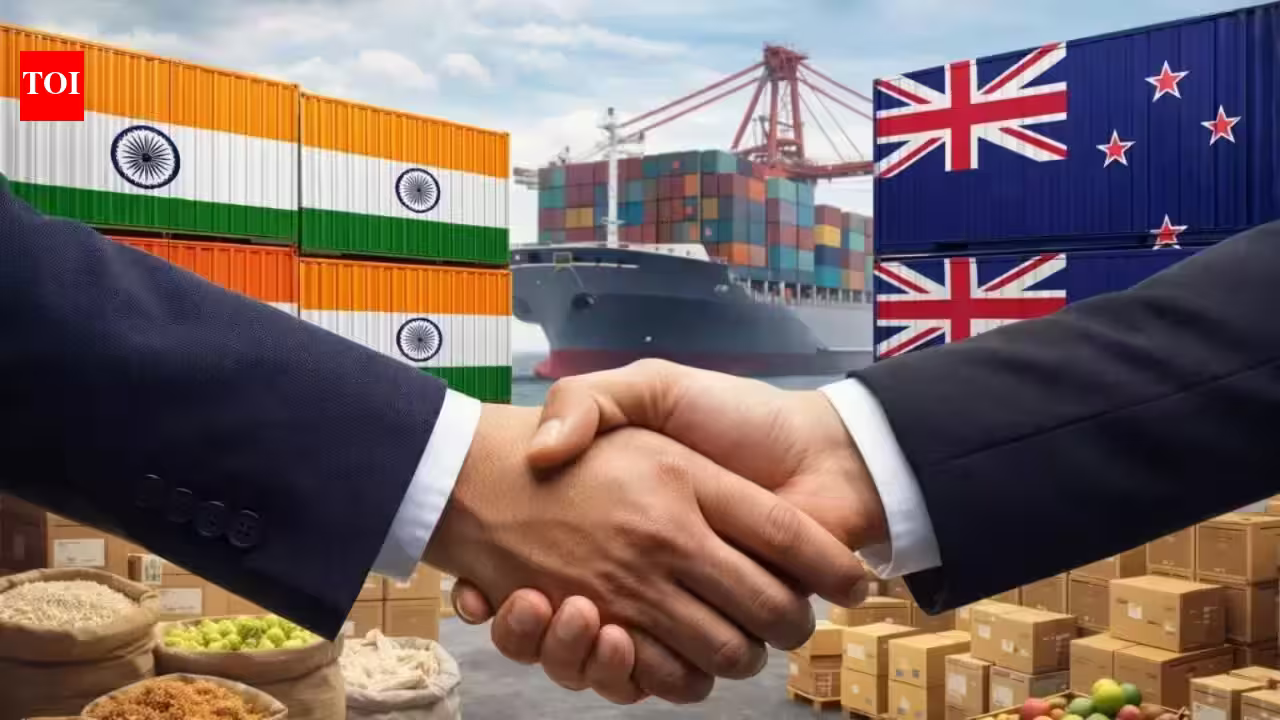
India is currently navigating a pivotal phase in its foreign trade policy, characterized by an aggressive pursuit of bilateral and multilateral trade agreements. The announcement regarding the India-New Zealand free trade agreement (FTA) entering into force on October 20, coinciding with the festival of Dussehra, marks a significant milestone in New Delhi’s endeavor to integrate more deeply into global supply chains. This development is not an isolated event but rather a component of a broader, structured roadmap aimed at diversifying export markets and securing preferential access for Indian goods.
For India, the agreement with New Zealand is expected to catalyze a surge in bilateral trade, with projections estimating a climb toward the Rs 35,000 crore mark. Beyond the immediate transactional benefits, the pact is designed to unlock approximately $20 billion in investments flowing into India over the next decade and a half. These capital inflows are specifically targeted at high-growth sectors such as manufacturing, infrastructure, and the burgeoning startup ecosystem. By aligning New Zealand’s technological prowess in agricultural productivity with India’s massive scale and consumer demand, the partnership creates a synergistic framework that benefits both nations.
Deepening Ties with Canada through the CEPA Framework
While the New Zealand deal provides a strategic foothold in the Oceania region, the concurrent progress on the Comprehensive Economic Partnership Agreement (CEPA) with Canada highlights India’s focus on the North American market. The momentum behind these negotiations is notable; the two nations have shifted into high gear, with the fifth round of talks slated for early October. This rapid succession of diplomatic and economic engagements signals a strong political will to finalize a comprehensive agreement that addresses trade barriers and regulatory alignment.
Canada’s current geopolitical and economic situation—characterized by a desire to reduce over-reliance on its neighbor, the United States—has created a conducive environment for deeper bilateral cooperation. India, in turn, finds a valuable partner in Canada, which serves as a significant supplier of critical commodities. The current trade volume of $30.4 billion in 2025 provides a sturdy foundation for the ambitious goal of reaching $70 billion by 2030. Key sectors such as pharmaceuticals, iron and steel, and electronic goods are expected to benefit from reduced tariffs, while the Indian agricultural sector stands to gain from a more predictable supply of pulses and fertilizers from Canadian producers.
Impact on Domestic Manufacturing and Export Competitiveness
One of the primary drivers behind India’s recent FTA push is the need to bolster the competitiveness of domestic manufacturing. Historically, Indian exporters have faced significant hurdles in markets like New Zealand, where tariffs on ceramics, carpets, textiles, and auto components have reached as high as 10%. The removal of these duties under the new agreement allows Indian manufacturers to achieve parity with other regional suppliers, effectively leveling the playing field.
The integration of these agreements is consistent with the ‘Make in India’ initiative. By securing duty-free access for 100% of India’s exports to New Zealand, the government is providing Indian SMEs and large manufacturers with the incentive to expand production capacity. Furthermore, the focus on agricultural productivity partnerships suggests a shift toward high-value-added trade. Rather than merely exchanging raw commodities, the strategy emphasizes the transfer of technology and expertise, which is essential for scaling up India’s industrial capabilities to meet international quality standards. This evolution is vital for ensuring that Indian businesses remain resilient in the face of shifting global demand patterns.
Navigating Global Market Realities and Future Outlook
The geopolitical landscape of international trade is undergoing a transformation, with nations prioritizing reliable partnerships to mitigate supply chain disruptions. India’s proactive stance, which also includes positive progress in trade talks with Chile, demonstrates a sophisticated approach to building a diversified economic network. By reducing dependence on a few dominant trade partners, India is creating a more stable macroeconomic environment.
The success of these agreements will ultimately depend on the efficacy of implementation and the ability of Indian businesses to capitalize on the new market access. While government-level negotiations provide the framework, the private sector must undertake the necessary investments in logistics, marketing, and supply chain efficiency to translate these tariff reductions into actual export growth. The focus on facilitating $20 billion in investments suggests that the Indian government is looking for more than just trade; it is seeking long-term commitments from foreign entities to build localized manufacturing and innovation hubs within India.
Conclusion: A Proactive Economic Agenda
The rapid advancement of trade deals with nations like New Zealand and Canada represents a departure from the cautious, wait-and-see approach that characterized earlier decades of Indian trade policy. The current administration has clearly prioritized economic diplomacy as a core pillar of national development. By focusing on specific sectors—ranging from critical raw materials like pulses and coal to complex manufacturing in the automotive and pharmaceutical spaces—the government is ensuring that these agreements yield tangible economic dividends.
As these agreements move from the signing table to active implementation, the focus will likely shift toward monitoring trade balances, ensuring regulatory compliance, and maximizing the inflow of foreign direct investment. For the Indian business community, this era of increased openness presents both challenges and substantial rewards. Those who adapt to the international standards required by these new trade partners stand to benefit from a significantly larger addressable market. As India continues to court international partners, the ability to negotiate from a position of economic strength and market size will be the defining factor in its long-term industrial and economic trajectory. The coming months will be crucial as the outcomes of these trade pacts begin to manifest in trade statistics and capital expenditure reports across the nation.
Disclaimer: This content is auto-generated for informational purposes only.
Source: Read Original News