








UK-based investment firm Actis has officially signaled a major return to the Mexican renewable energy market with the launch of Yeltica Energy. This new greenfield platform is set to spearhead a massive expansion, with plans to develop over 2GW of solar, wind, and energy storage capacity. The move is a strategic milestone for Actis, which previously held significant stakes in major regional players like Zuma Energia and Atlas Renewable Energy, and underscores the growing international confidence in Mexico’s evolving power infrastructure.
Strategic Alignment with Plan Mexico
Yeltica Energy’s entry into the market is timed to coincide with the Sheinbaum administration’s “Plan Mexico” and the Power Sector Development Plan (PLADESE) 2025–2039. With industrial demand surging due to nearshoring trends, the government has set an ambitious goal of sourcing 80% of its required 75GW of new capacity from clean energy sources. By targeting a 38% renewable energy share by 2030, the policy framework creates a fertile ground for firms like Actis, which aims to bridge the gap between public-sector planning and private-capital execution.
“Mexico represents one of the most compelling infrastructure markets in Latin America,” noted Alberto Estefan, Managing Director of Energy Infrastructure at Actis. “The current policy framework is effectively mobilizing private capital, creating strong long-term opportunities for energy investors.”
The New Face of Mixed-Investment Tenders
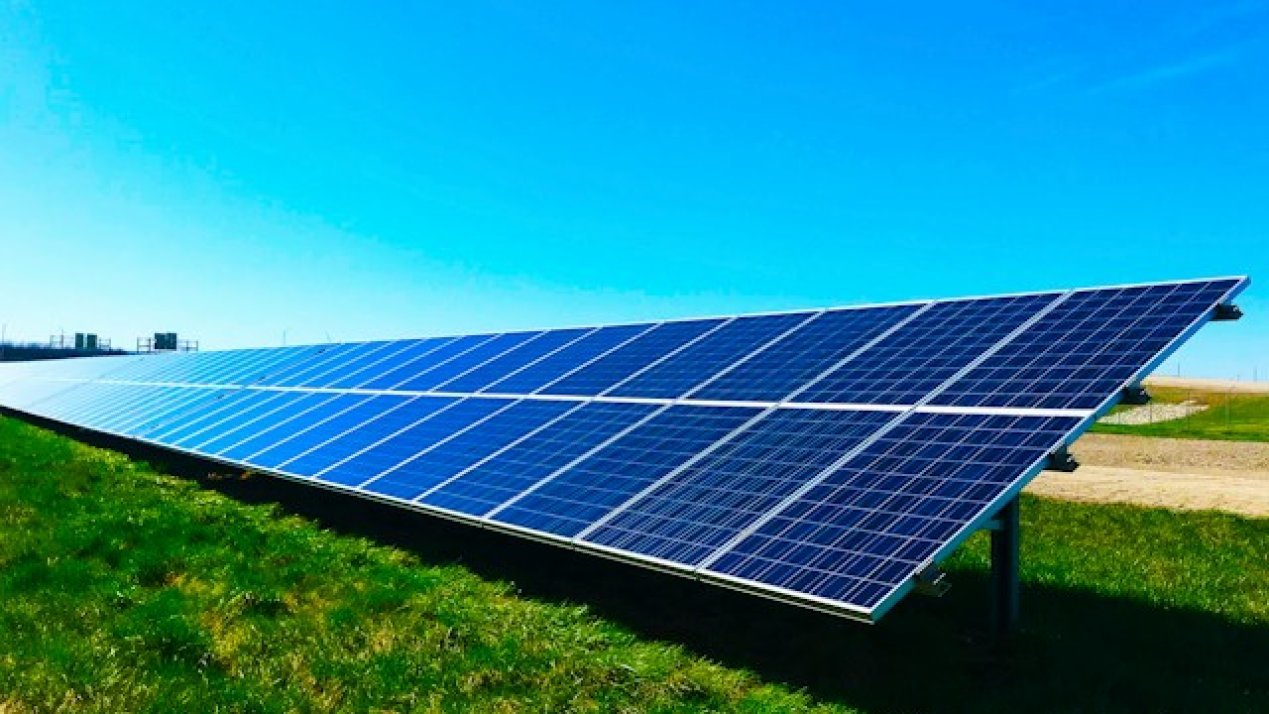
Yeltica’s portfolio is anchored by 330MWp of solar PV and 255MWh of battery storage assets, secured through the recent Federal Electricity Commission (CFE) Mixed Development Tender. This landmark tender, which saw an overwhelming 581% oversubscription rate, represents a shift toward a 54/46% public-private ownership model. Under these terms, the CFE retains a majority stake while private developers provide the necessary capital and technical expertise.
A defining feature of this new regulatory era is the mandatory integration of 30% battery storage capacity. This requirement is a direct response to regional grid congestion and the need for dispatchable renewable power. By requiring storage with a minimum three-hour discharge duration, the Mexican government is prioritizing grid stability, a move that is reshaping how developers design and bid for projects in the current, highly competitive tender environment.
Navigating Operational and Technical Challenges
While the entry of Yeltica Energy marks a positive step, the path to implementation is not without friction. Industry experts and developers alike are monitoring several critical bottlenecks. High saturation levels within the General Transmission Networks (RGT) continue to pose risks for interconnection, often leading to delays even after projects are physically completed.
Furthermore, global supply chain pressures have extended lead times for critical electrical hardware, such as transformers and switchgear, to as long as 18 months. These logistical realities, combined with aggressive federal timelines for commercial operations, require companies to rely on robust, pre-existing footprints in the region.
Yeltica, led by CEO José Luis García, brings this institutional experience to the table. By focusing on solar-plus-storage hybrids, the platform is not only aiming to satisfy local regulatory demands but also positioning itself to offer stable, inflation-indexed power purchase agreements (PPAs). As institutional investors keep a close watch, the success of Yeltica’s projects will serve as a bellwether for the broader energy sector in Mexico. Whether these projects can navigate the dual hurdles of grid readiness and regulatory compliance remains the central question for the near-term future of the country’s energy transition.
Disclaimer: This content is auto-generated for informational purposes only.
Source: Read Original News