






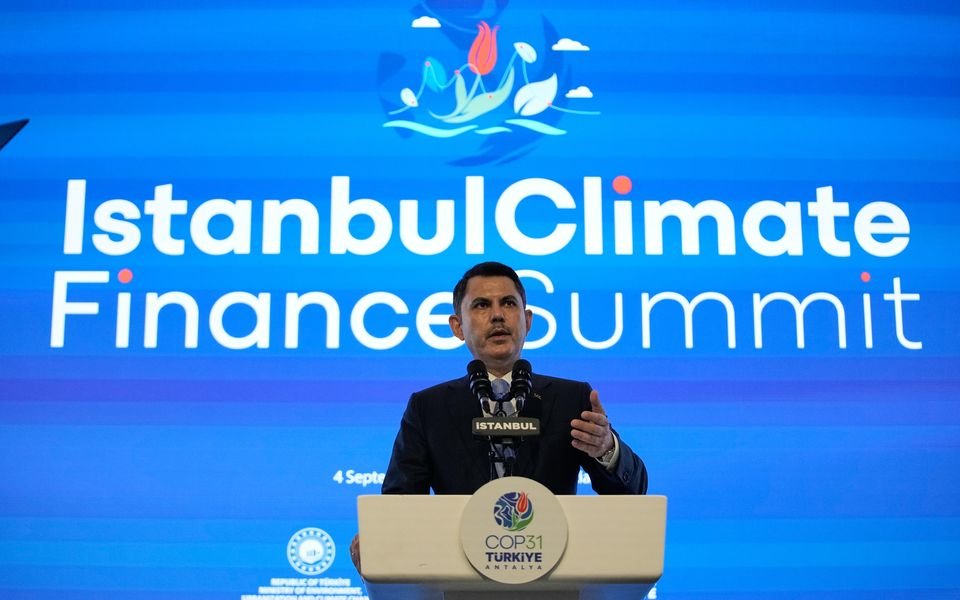
As the global community prepares for the upcoming COP31 climate summit, Turkey’s presidency has signaled a pivotal shift in strategy: moving away from the cycle of setting new, non-binding pledges toward a rigorous focus on operational execution and measurable outcomes.
COP31 President-designate and Turkey’s Minister of Environment, Urbanization and Climate Change, Murat Kurum, outlined this ambitious “action agenda” at a recent United Nations event in New York. The proposal, centered on the pillars of “dialogue, consensus, and action,” aims to bridge the gap between high-level diplomatic promises and the reality of on-the-ground project development.
“For us, implementation is not simply announcing more commitments, but turning existing commitments into measurable results on the ground,” Kurum stated. The agenda establishes a clear roadmap for 2035, identifying specific targets that, if met, could potentially reduce global greenhouse gas emissions by 8.5 to 10 gigatons of CO2.
Among the key targets presented by the Turkish presidency is a significant overhaul of energy and waste sectors. Turkey aims to raise the share of electricity in total energy consumption to 35% by 2035, while simultaneously cutting projected increases in municipal waste in half. Furthermore, the agenda pushes for a 25% reduction in energy-use intensity within the building sector and a global increase in the circular-material-use rate to at least 15% within the next decade.
To facilitate these goals, the presidency is moving to establish the “Climate Implementation Bridge,” an initiative designed to transition national climate commitments into investment-ready projects. This effort will be bolstered by the launch of a Green Industrialization Facilitation Mechanism for the least-developed countries (LDC-GIF). Rather than creating a redundant financing structure, the LDC-GIF is intended to act as a catalyst, connecting the industrial requirements of developing nations with existing pools of technology, technical expertise, and capital.
The scope of the COP31 agenda is broad, covering 10 primary themes that include clean energy, methane reduction, climate-resilient cities, green industrialization, food security, biodiversity, and the intersection of health systems with climate change. Minister Kurum indicated that the summit will also unveil several new specific initiatives, ranging from the development of green freight corridors to the integration of artificial intelligence in clean technology sectors.
The logistics for the upcoming summit, which is scheduled for November 9–20 in Antalya, Turkey, reflect an unusual international partnership. While Turkey holds the presidency and leads the action agenda, Australia is tasked with overseeing the formal negotiating process. This collaborative structure is intended to streamline discussions and ensure that the political negotiations remain tethered to the practical implementation goals set forth by the Turkish team.
As the pre-COP process enters its next phase, consultations regarding these targets are set to continue at a preparatory meeting in Fiji next month. The challenge remains significant: the international community has historically struggled to transform broad declarations into local, impactful infrastructure. By prioritizing the “Climate Implementation Bridge” and technical facilitation, the COP31 presidency is placing a high-stakes bet that the era of vague climate ambition is nearing its end, to be replaced by a standardized, results-oriented framework for the next decade of decarbonization.
Disclaimer: This content is auto-generated for informational purposes only.
Source: Read Original News