






After a prolonged period of drought that left pastures scorched and water tables precariously low, the arrival of sustained rainfall has signaled a vital recovery for the rural landscapes of the parish. While springs and streams remain sluggish, the saturation of the soil has provided a necessary reprieve, breathing new life into the vegetation and stabilizing the moisture levels of century-old wells, even as landowners maintain a cautious approach to water consumption.
This restorative cycle is perhaps most evident at Larkrise, a 10-acre rewilding project situated on the northern fringe of the parish, beneath the looming silhouette of Kit Hill and the distant expanse of Dartmoor. Seven years into its transition from poorly drained agricultural land to a thriving semi-natural habitat, the site is undergoing a rapid ecological transformation.
The perimeter of the plot is now dominated by a dense, protective boundary hedge. Rich in biodiversity, this thicket—composed of sloes, blackberries, scarlet hips, and haws—has begun to encroach upon the site’s intentional tree plantings, providing a natural buffer against predatory deer. The planted saplings, which include species such as guelder rose, spindle, holly, and buckthorn, are showing remarkable vigor, with many already producing fruit.
A central feature of the project’s success is the regeneration of native oak. Seedlings, growing in the immediate vicinity of a 200-year-old “mother” oak, have benefited from intensive management. By manually staking, guarding, and marking these young trees, conservationists have shielded them from the browsing pressure of livestock, rabbits, and deer that typically prevents forest succession in grazing landscapes. These young oaks have already begun to serve as hosts for complex insect life, evidenced by the presence of spangle and silk-button galls on their foliage.
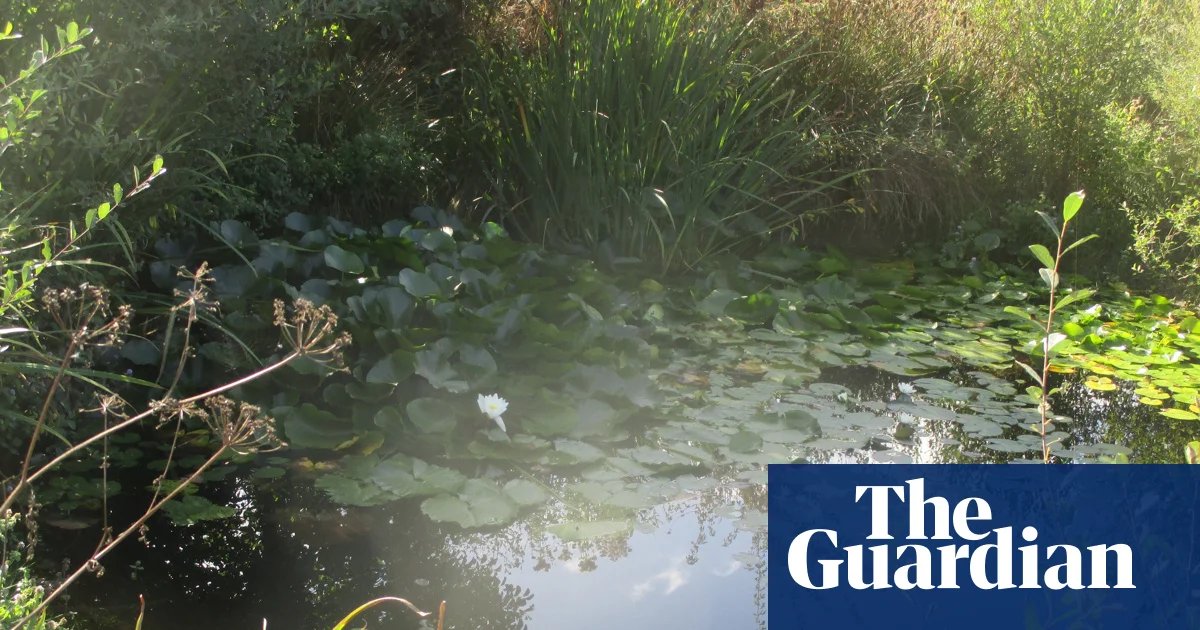
Water management remains a cornerstone of the rewilding strategy. Despite the intense summer heat, the recently excavated ponds across the site have maintained their integrity, suffering no total losses of water. This is largely attributed to the heavy clay composition of the underlying soil, which prevents seepage, and the proactive efforts of the site’s owners, James and Mary, who have actively transplanted indigenous flora and seeded the pond edges to encourage natural colonization.
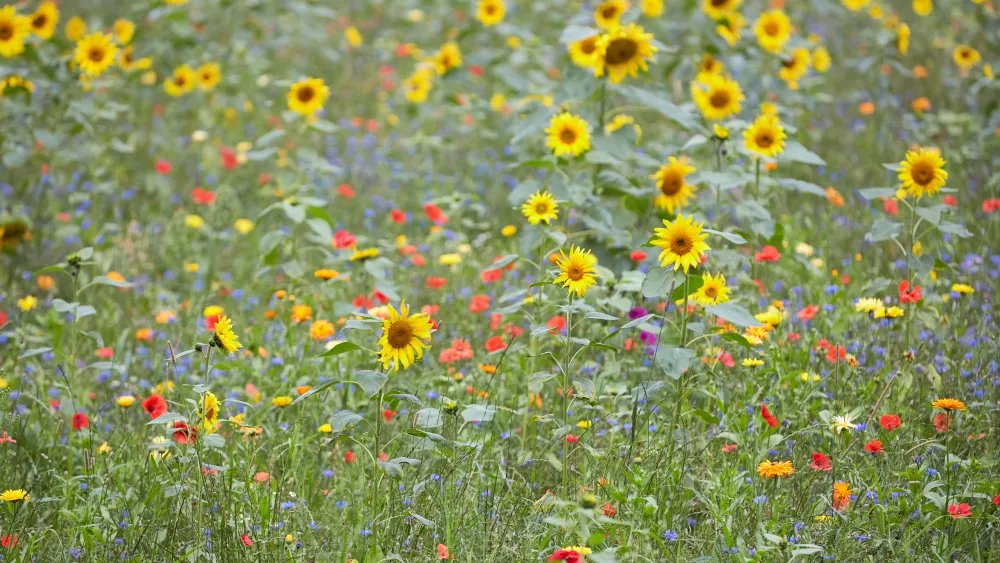
The result of this habitat creation is a measurable uptick in local wildlife activity. The deeper, water-filled basins have become essential feeding stations for swallows, while the surrounding mosaic of thistledown-rich grasslands and purple loosestrife has attracted an array of pollinators, including a notable population of clouded yellow butterflies. Observations confirmed by trip-camera monitoring and mammal surveys reveal that the site now hosts a diverse ecological community, ranging from apex predators like barn owls and foxes to small mammals, including voles, shrews, and weasels.
The contrast between the rewilded site and the surrounding industrial agriculture is stark. On adjoining land, the landscape remains defined by sparse, heavily grazed pasture where the soil is trampled to a hard, barren earth, requiring the constant input of supplemental winter fodder for livestock.
The progress at Larkrise offers a compelling case study in the efficacy of land-management intervention. By shifting from intensive grazing to a strategy of managed succession and hydrological restoration, the project has not only successfully mitigated the immediate effects of drought but has also fostered a resilient ecosystem capable of supporting diverse species in an increasingly volatile climate. As autumn approaches, evidenced by the incipient catkins on the hazel bushes in nearby lanes, the site stands as a testament to the capacity of the natural world to recover when given the protection and space to grow.
Disclaimer: This content is auto-generated for informational purposes only.
Source: Read Original News