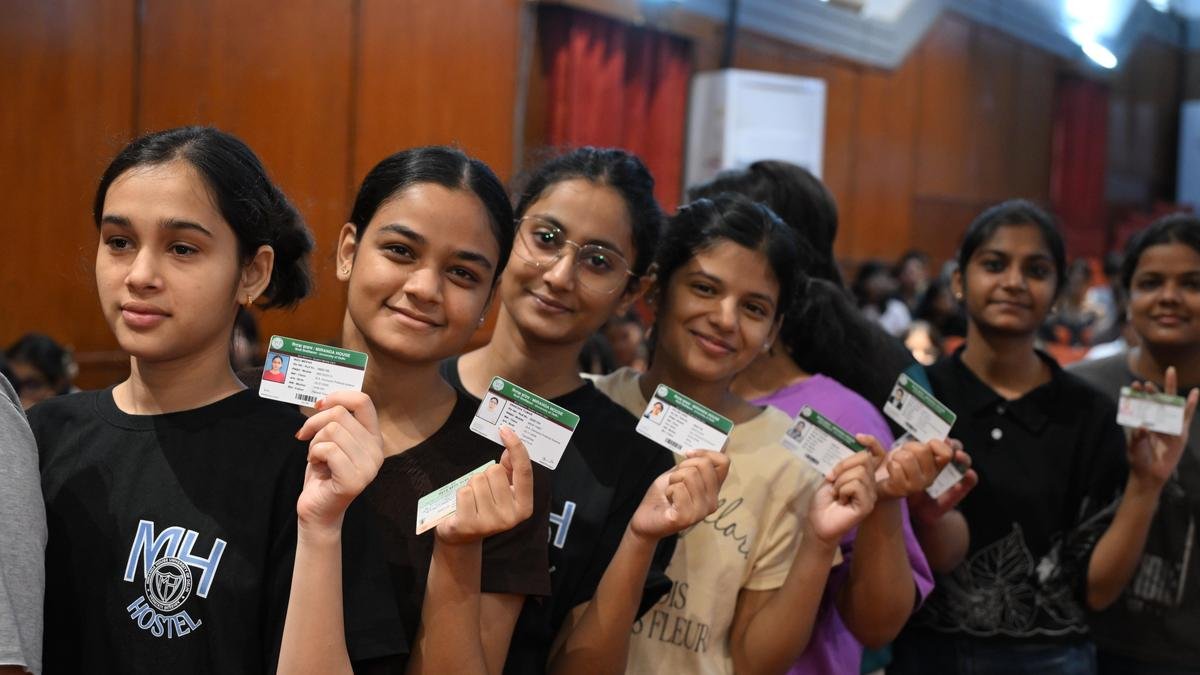










The digital landscape is evolving at a breakneck speed, and with it, the nature of cyber threats. In a landmark move to fortify India’s digital defenses, the Indira Gandhi Delhi Technical University for Women (IGDTUW) has officially launched the “CyberPeace Keepers” and “Cyber First Responders” initiative. Supported by Google.org, this collaborative effort aims to bridge the gap between academic theory and real-world cyber resilience, equipping students with the tools to tackle modern digital harms.
The inauguration, held on the International Day of Peace, signals a shift in how technical institutions are approaching the intersection of technology, law, and social safety.
## Bridging Academia and Practical Defense
For students navigating a complex digital job market, the initiative offers more than just traditional classroom learning. The curriculum is designed to address the most pressing technological challenges of the 21st century: deepfakes, AI-enabled deception, misinformation, and online abuse. By integrating these topics into the academic framework, IGDTUW is ensuring that graduates are not only technically proficient but also ethically prepared to handle the social consequences of emerging technologies.
“The initiative is designed to provide a formal structure for students to research and respond to real-world scams and impersonations,” stated the organizers. This experiential learning approach is intended to provide students with a competitive edge in exams and certification pathways related to cybersecurity, while also building a specialized talent pool for the nation’s cybersecurity workforce.
## A Multi-Disciplinary Learning Ecosystem
The launch featured a powerhouse panel of speakers, including AICTE Chief Coordinating Officer Buddha Chandrasekhar and Google’s Rajesh Ranjan, reflecting the program’s cross-sector importance. By involving experts from the National Law University, Jodhpur, and international tech leaders, the program highlights that cybersecurity is no longer just a coding problem—it is a legal, ethical, and policy-driven challenge.
Students will be expected to engage with workshops that emphasize community resilience. This approach recognizes that the most effective cyber defense strategy is one that informs the public, effectively turning students into educators and protectors of digital peace within their own communities.
## Research at the Centre of Excellence
A cornerstone of this initiative is the 24/7 IGDTUW-CyberPeace Centre of Excellence. This facility serves as a “living lab” for students, providing them with the environment to conduct cutting-edge research on cyber threats. By shifting away from passive learning, the Centre encourages students to participate in live threat-hunting and policy drafting.
“This is not merely a training module; it is a permanent infrastructure for long-term research,” the organizers noted. The Centre is expected to influence future university policies by acting as a model for how institutions can partner with global tech entities like Google.org to create localized, impact-driven solutions.
## The Future of Cyber-Policy
Major Vineet Kumar, founder and global president of CyberPeace, emphasized that this is only the beginning. The organization has announced plans to expand the network of “Cyber First Responders” across universities nationwide. For policymakers and institutional leaders, this serves as a blueprint for institutionalizing digital safety.
By integrating cyber-resilience into the institutional culture, IGDTUW is setting a precedent. As students move from the classroom to the workforce, these “CyberPeace Keepers” will be tasked with shaping the standards for AI ethics, digital privacy, and the legal frameworks that will govern the internet for the next generation. As the network grows, the impact on higher education is clear: cybersecurity must be treated as a foundational skill, as vital to a student’s success as any core engineering discipline.
Disclaimer: This content is auto-generated for informational purposes only.
Source: Read Original News