









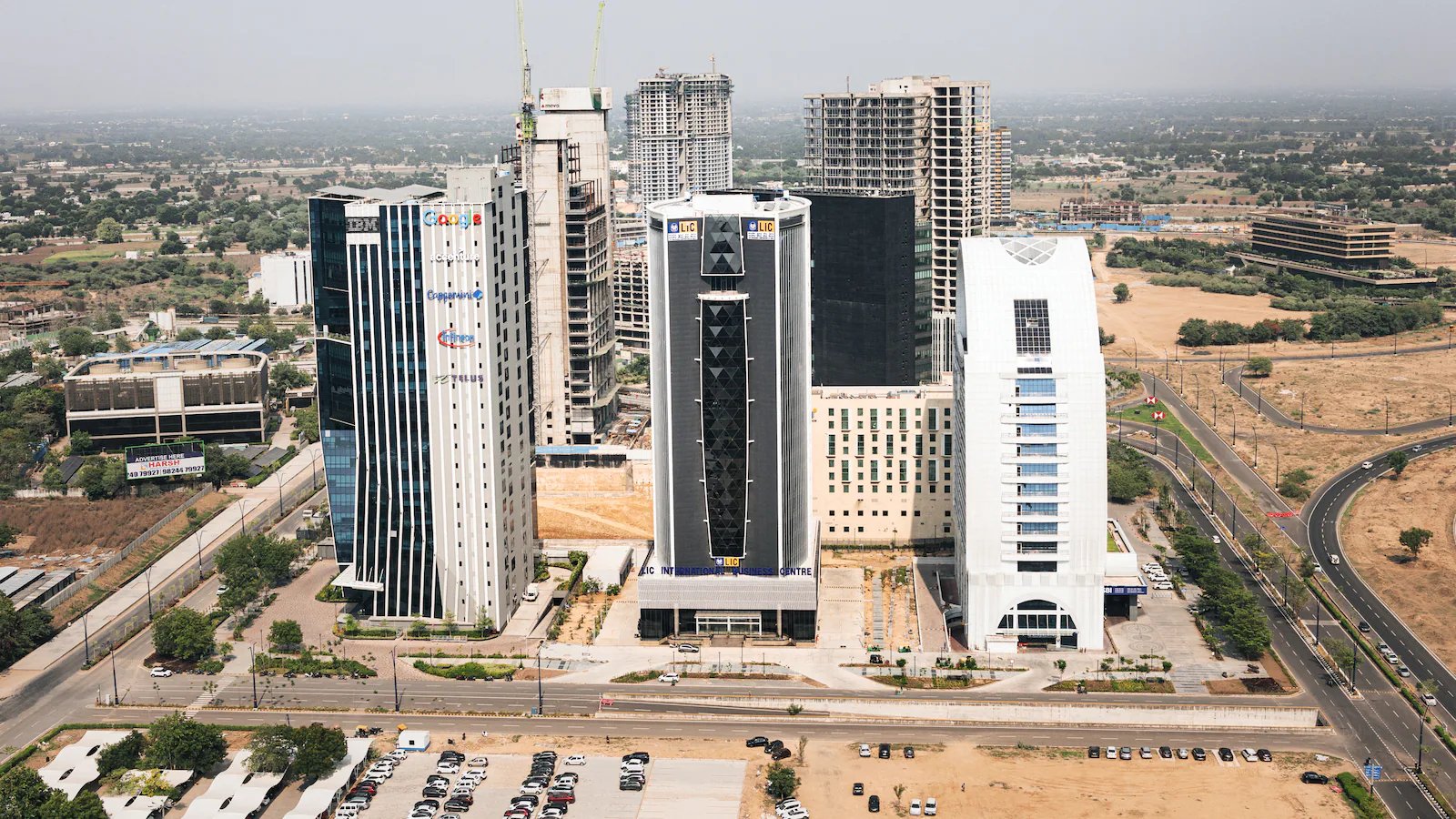
Real estate investing in India often feels like a race against rising capital requirements, as property values in major metropolitan hubs continue to climb beyond the reach of the average buyer. However, for those with a budget of Rs 50 lakh, the landscape is shifting. Savvy investors and home seekers are now turning their attention to emerging corridors, where the promise of future infrastructure—bolstered by advancements in urban planning and smart-city technology—is creating new pockets of potential.
Betting on Infrastructure-Led Growth
The core strategy for modern real estate investors has become “location-tech anticipation.” The goal is to identify areas before the full weight of physical infrastructure—such as metro lines, expressways, and industrial corridors—is realized.
In this pursuit, tech-driven urban development plays a critical role. For instance, the Dholera Special Investment Region (SIR) in Gujarat is being designed as a “smart city” from the ground up, utilizing digital infrastructure and data-driven management systems to attract industries. Similarly, the western corridor of Pune is witnessing a digital and physical upgrade, with upcoming metro connectivity expected to slash commute times significantly. These projects aren’t just about concrete; they represent a data-backed approach to city expansion where developers are using GIS mapping and predictive analytics to determine where residential demand will likely spike over the next five years.
AI and Digital Tools Transforming Property Discovery
For the digital-native homebuyer, the process of finding properties under Rs 50 lakh has been revolutionized by AI-powered search engines and property portals. Google’s ecosystem, including Google Maps’ advanced street view and satellite imagery, allows prospective buyers to conduct remote site visits and analyze regional growth patterns without needing to be physically present.
Furthermore, machine learning models on real estate platforms are increasingly helping users predict rental yields. By analyzing historical price appreciation data and current lease trends, these tools provide a more nuanced view of whether an investment in a developing suburb will yield the promised 4–5% rental return. As these tools become more accessible, the barrier to entry for tier-two and emerging market real estate continues to drop, democratizing access to property data that was once the exclusive domain of professional developers.
Navigating the Risk of Emerging Markets
While the potential for 80% to 120% appreciation in areas like Pune’s outskirts or Greater Noida sounds attractive, experts urge caution. The “smart” in smart cities doesn’t automatically imply guaranteed returns. Investors must leverage digital verification tools to cross-reference RERA (Real Estate Regulatory Authority) filings, verify land titles, and assess the progress of industrial zones.
In regions like Faridabad and Ghaziabad, where property prices hover between Rs 3,000 and Rs 4,500 per square foot, the success of an investment is tied to the reliability of the developer and the actual completion of connectivity projects. Prospective buyers should be wary of marketing-led projections and instead rely on verified government project updates.
Ultimately, for the investor with Rs 50 lakh, the key lies in the balance between current connectivity and future utility. Whether it is the industrial hub of Dholera or the tech-integrated suburbs of Pune, the most successful investors will be those who combine physical due diligence with the analytical power provided by today’s digital platforms to separate high-growth opportunities from speculative hype.
Disclaimer: Real estate investments carry inherent risks. Projected returns and appreciation figures provided by market representatives are estimates and not guarantees of profit. Investors are advised to perform thorough independent research before committing capital.
Disclaimer: This content is auto-generated for informational purposes only.
Source: Read Original News