








Buffalo’s tourism and healthcare sectors are making significant waves this week, blending cross-border community building with high-tech medical advancements. As the city looks to strengthen its international ties and modernize its infrastructure, local leaders are leveraging both traditional outreach and cutting-edge surgical robotics to redefine the region’s profile.
Bridging the Border Through Cultural Connection
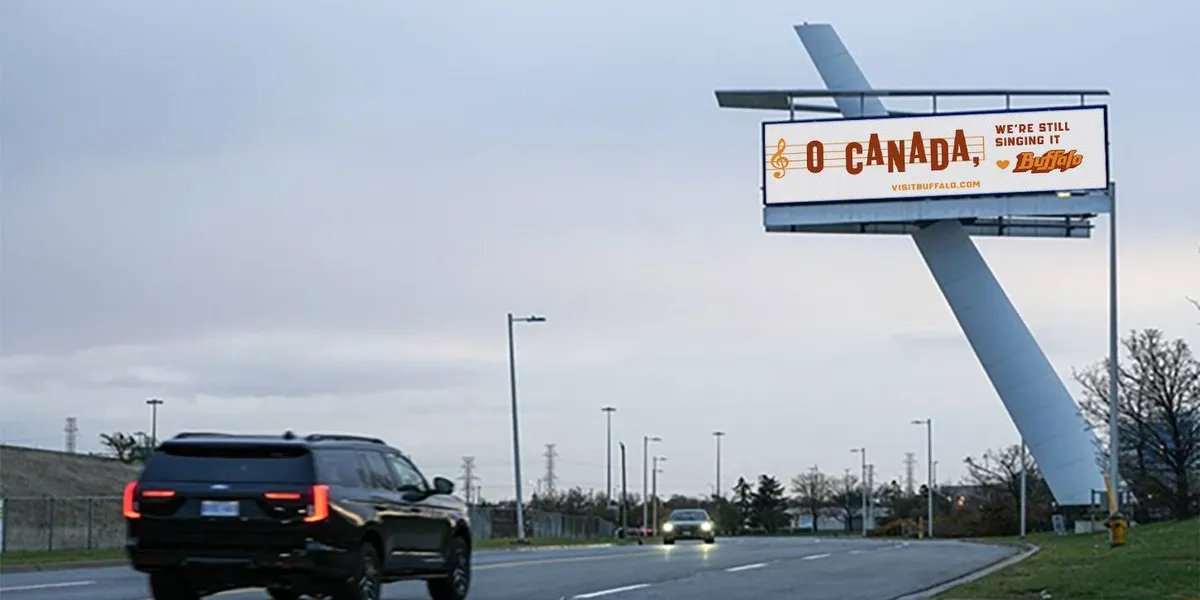
Visit Buffalo has launched a strategic marketing campaign aimed directly at Southern Ontario residents, hoping to entice Canadian neighbors to cross the border for tourism and shopping. New digital-forward billboards have been erected along the high-traffic Gardiner Expressway and Highway 427, featuring the message: “O Canada, We’re Still Singing It, Love Buffalo.”
This move follows a viral moment during the Buffalo Bills’ home opener last Thursday, where the Canadian national anthem was performed before a capacity crowd. By tapping into that moment of cross-cultural goodwill, the tourism bureau is hoping to capitalize on digital visibility and social media buzz to keep the conversation going. In an era where regional travel decisions are increasingly influenced by personalized digital ads and AI-driven travel recommendations, these billboards serve as a physical anchor for a broader effort to re-engage the Canadian market. Tourism officials believe that by signaling a welcoming environment, they can drive search traffic to their portals, which increasingly use machine learning to suggest local attractions based on user interest data.
A High-Tech Facelift for Buffalo General
The city’s healthcare landscape is also undergoing a major digital and structural transformation. Kaleida Health recently announced that Buffalo General Medical Center will be rebranded as the Scott Bieler Buffalo General Medical Center, starting in January. The transition follows a record-breaking donation from West Herr Automotive Group CEO Scott Bieler and his wife, Kathy.
This “transformational gift” is earmarked for a massive technological upgrade. A significant portion of the funding is dedicated to integrating advanced robotic technology into the hospital’s daily operations. Specifically, the facility plans to install a Da Vinci surgical robot, which will assist surgeons in performing complex, minimally invasive procedures. These robotic systems utilize sophisticated AI-assisted interfaces that allow for greater precision, faster recovery times, and reduced risk for patients.
Beyond the robot, the donation will modernize the infrastructure of the Gates Vascular Institute by replacing outdated laboratory equipment and upgrading eleven operating rooms with the latest surgical hardware. This infusion of capital positions the hospital at the forefront of the “Smart Hospital” movement, where data-driven surgical assistance and high-speed laboratory analysis become the standard of care.
Navigating Policy Changes with Collaborative Outreach
While high-tech surgery dominates the headlines, the city is also focusing on the digital and administrative navigation of social services. On Wednesday, the Niagara Falls Memorial Medical Center is hosting a Medicaid Collaborative to help local organizations prepare for upcoming regulatory shifts.
As the state prepares to implement new work and volunteer service requirements for certain Medicaid recipients in the new year, the goal of this meeting is to create a digital and administrative pipeline between healthcare providers and employment services. By coordinating these efforts, local groups hope to use shared data management systems to connect Medicaid recipients with job opportunities or volunteer positions that align with their new compliance requirements.
This move highlights an increasing reliance on centralized, tech-enabled communication networks to streamline social welfare programs. By bringing local leaders together to discuss these changes, the collaborative aims to ensure that the transition is seamless for both the agencies and the individuals they serve.
As these diverse initiatives unfold, Buffalo is clearly positioning itself as a region that is not only attentive to its cultural neighbors but also deeply invested in the technological and administrative systems required to compete in a modern, digital-first economy.
Disclaimer: This content is auto-generated for informational purposes only.
Source: Read Original News