








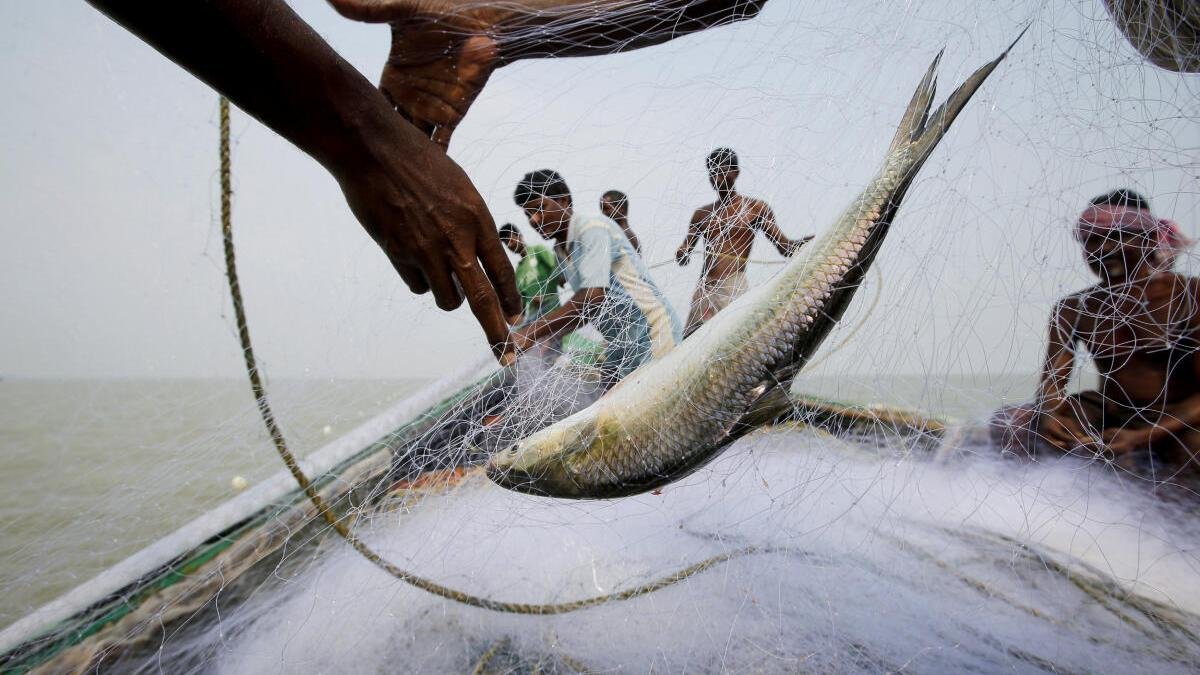
The Hilsa, or Ilish as it is affectionately known, is far more than just a centerpiece on a dinner plate. For those who track its journey from the cold depths of the ocean to the winding river systems of Bengal, it represents a seasonal rhythm that dictates everything from kitchen rituals to long-standing family traditions. Understanding this fish is a lesson in patience, geography, and the art of appreciating nature on its own terms.
The Seasonal Rhythm of the River
Before the Hilsa ever meets the pungent, golden embrace of a mustard paste or the sharp kick of a green chili, it is a traveler. Driven by the monsoon rains and an ancient instinct, these fish push against strong river currents, moving with remarkable speed to find the right environment for spawning.
This journey is the reason for the fish’s prestige. Because they are migratory, they are not always available in the same quality throughout the year. Experienced cooks often argue that the best time to enjoy the Hilsa is when nature intends it—during the monsoon. While modern technology allows us to access frozen supply from across the globe, there is a distinct difference in the texture and richness of a fresh, seasonal catch. Learning to wait for the season is a practical way to ensure you are getting the finest quality while respecting the natural life cycle of the species.
Deciphering the Taste of Place
In the world of the true food lover, not all Hilsa is created equal. You will often hear spirited debates about the differences between the Ganga Hilsa and the Padma Hilsa. While some rely on visual cues—noting the slightly more elongated, silvery-gold appearance of the former or the rounded profile of the latter—the most seasoned enthusiasts focus on the water.
This is a concept similar to how one might discuss wine. The ecology of the river, the specific silt composition, and the depth of the water all contribute to the final flavor profile. Some suggest that as the fish travels from the high-salinity ocean into fresh water, the composition of its flesh shifts, becoming inherently sweeter. While these nuances might seem subtle to a casual diner, they reflect a deep, historical connection to the land and water that defines this regional culinary heritage.
Respecting the Ingredients
One of the most valuable lessons we can take from traditional ways of preparing Hilsa is the philosophy of restraint. Many classic recipes involve minimal intervention. A simple broth with brinjal, where the fish releases its natural oils to flavor the vegetables, is often considered a masterpiece of technique.
There is no need for heavy spice pastes or complicated cooking methods that mask the natural character of the ingredient. When you have a high-quality, fresh fish, the best approach is to highlight its inherent richness. This “less is more” mindset can be applied to many aspects of our modern lifestyle, encouraging us to seek out quality over convenience and to let the natural traits of our food—or any craft—speak for themselves.
Sustainability in the Kitchen
As our collective appetite for specific ingredients grows, it places a strain on natural resources. We often demand access to seasonal items year-round, which in turn leads to fishing during spawning cycles and the consumption of younger, smaller fish. A practical, mindful approach to consumption is to lean into local alternatives when the Hilsa is not in season.
By diversifying our meals and celebrating smaller, local fish, we allow the Hilsa population to recover and thrive. Being a conscious consumer means knowing when to indulge and when to abstain. It is a small change in habit that supports the long-term health of our river ecosystems, ensuring that the next generation can enjoy the same culinary heritage we do today.
A Legacy of Memory
For many, the scent of Hilsa frying is a direct link to the past—to family homes, shared meals, and the distinctive debates that emerge whenever people discuss the “right” way to prepare it. It is a fish that bridges the gap between science and sentiment. Whether you view it as a complex biological wonder traveling hundreds of kilometers or simply as a comforting dinner that reminds you of childhood, the Hilsa remains a powerful reminder of how food shapes our identity.
When you sit down to a meal that has been prepared with care, you are not just eating; you are participating in a tradition that has spanned centuries. Treat the process with the same patience you would use to navigate the delicate bones of the fish itself, and you will find that the rewards go far beyond the meal.
Disclaimer: This content is auto-generated for informational purposes only.
Source: Read Original News