








Unexpected Companionship in Unusual Times
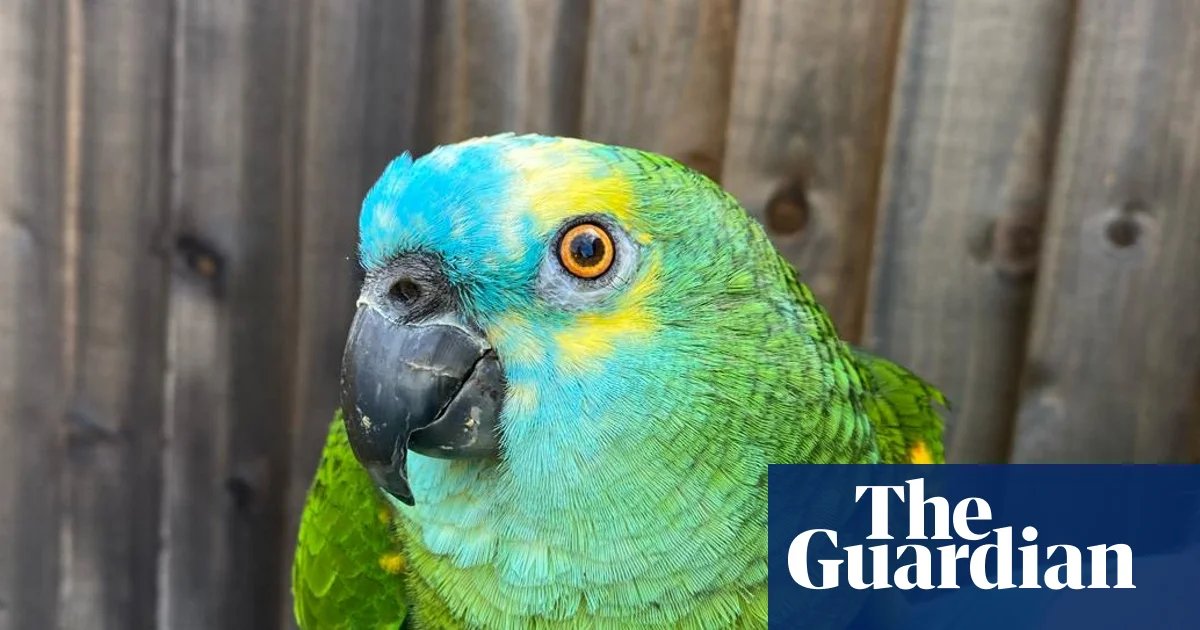
The global shift in 2020 changed many of our daily routines, leading us to seek comfort in the most unlikely of places. For many, this meant adopting pets to fill the quiet hours of working from home. While dogs and cats are the usual suspects for new pet owners, some found their perfect match in more feathered, spirited characters. Take Bud, for example—a blue-fronted amazon parrot who transitioned from a temporary foster guest to a permanent, headstrong member of her household.
Inviting an animal into your life is always a journey of discovery, but bringing in a parrot at the age of twenty-eight is a masterclass in patience and adaptation. Unlike a puppy that grows into your routine, a parrot comes with a history, a set of firm preferences, and a personality that is already fully formed. If you are considering adding a unique animal to your home, remember that the most rewarding relationships often come from embracing the quirks rather than trying to change them.
The Art of Caring for a Diva
If you live with a creature as expressive as a parrot, you quickly learn that standard pet care takes a back seat to personality management. Bud, for instance, has a taste for the finer things, which unfortunately once included a heavy appetite for potato chips. Helping a pet navigate a healthy lifestyle is a task that requires consistency and love. When a pet is overweight or struggling with diet-related health issues, the solution is not just about restriction; it is about providing better quality food and finding ways to make activity fun.
For those of us striving to improve our own wellness, we can take a page out of the parrot-care manual. Small, incremental changes to your diet, focusing on nutrition over convenience, lead to brighter feathers—or in our case, better energy and skin. Patience is the secret ingredient here. Bud’s owner spent two years searching for the perfect cage setup, showing that taking the time to curate an environment that truly suits your needs is essential for comfort and contentment.
Finding Humor in the Chaos
There is a specific joy in sharing your home with a pet that has a sense of humor. Bud is known for her impeccable comedic timing, shouting farewells to neighbors and whistling at passersby. This kind of interaction reminds us not to take our surroundings too seriously. When you have a parrot that decides to join in on the national anthem during a televised sporting event or expresses a deep appreciation for classic rock, the house feels less like a quiet workspace and more like a stage.
Living with a pet that challenges your patience also helps you develop a lighter touch in your daily interactions. When you are forced to navigate a tantrum from a bird that thinks she is the boss, you learn to step back, breathe, and laugh at the absurdity of the situation. This ability to find humor during stressful moments is a skill that translates well to human relationships and professional life alike.
The Reward of Unconditional Resilience
Parrots are known for their longevity, often living well into their fifties or sixties, which makes them long-term partners in every sense. The process of earning trust from an animal that has seen much of the world is a grounding experience. It forces you to slow down and observe what truly makes the other person—or bird—happy.
Resilience is a two-way street. By providing a stable environment, we give our pets the confidence to explore their surroundings, and in return, they provide us with a sense of perspective. Whether it is a parrot learning to live in a new home or a human learning to live with a new set of responsibilities, the transformation is always rewarding. It teaches us that giving up is rarely the answer when a little more tolerance and understanding can bridge the gap.
Lessons in Patience and Tolerance
At the end of a long day, whether you are dealing with a demanding parrot or a hectic work schedule, it helps to focus on what brings you joy. For Bud’s family, it is the sound of a whistle or the sight of a happy bird, even when she is being a little bit of a diva. Being more tolerant is a trait that grows when we realize that every creature, human or otherwise, has moments of frustration.
When you prioritize the happiness of those around you, you create a home that feels warm and welcoming. We might not all have a “naughty little green chicken” to keep us on our toes, but we can certainly adopt the spirit of patience, curiosity, and playfulness that comes with caring for one. After all, the effort we put into our relationships—no matter the species—is what makes life truly vibrant.
Disclaimer: This content is auto-generated for informational purposes only.
Source: Read Original News