






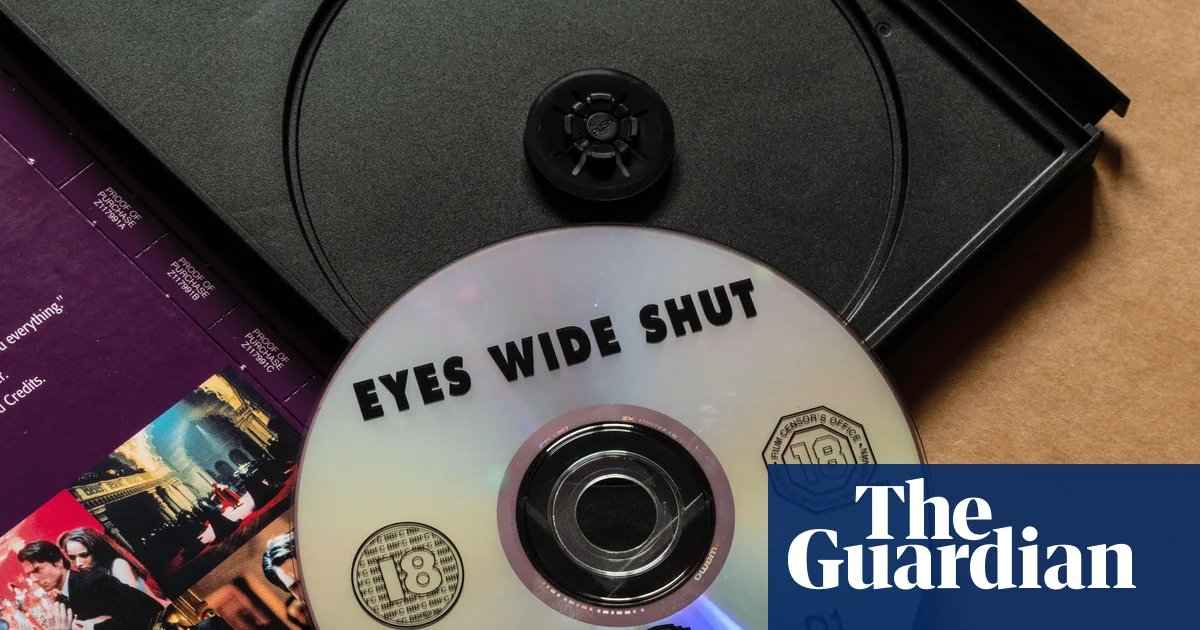
The modern home is often a temple to convenience. We have infinite libraries of music in our pockets and every television series ever produced sitting just a remote click away. Yet, a growing number of people are hitting the pause button on this relentless digital flow. Instead of scrolling through endless screens of suggestions, there is a distinct shift toward the tactile, the intentional, and the physical.
The Return of the Physical Collection
For many, the appeal of moving away from digital clouds lies in the tangible nature of physical media. There is a weight and a permanence to a record sleeve or a DVD case that a digital file simply cannot replicate. When you hold a record, you engage with the artwork, the liner notes, and the specific sequence of songs as the artist intended. It turns the act of listening into a dedicated activity rather than something that happens in the background while you check emails or multitask. By curating a physical shelf, you are building a collection that reflects your personal taste, rather than relying on a cloud service that might remove your favorite tracks at a moment’s notice.
Breaking Free from the Prediction Engine
We are all familiar with the experience of the automated recommendation. You watch one movie, and suddenly your screen is cluttered with ten others that someone—or something—thinks you might like. While this can be helpful, it often leads to a feedback loop where we end up consuming the same types of media over and over again. Stepping away from these systems allows for a fresh start. When you remove the automated suggestions, you are forced to make a deliberate choice. You might pick up an album from a thrift store bin or watch a classic film from a bargain DVD rack simply because the cover looks interesting. This kind of spontaneous discovery brings a sense of wonder back to entertainment.
The Slow Living Movement
The shift toward older formats fits perfectly into the broader trend of slow living. We spend so much of our days staring at blue light, jumping between browser tabs, and feeling the pressure to be constantly connected. Choosing to watch a DVD or listen to a side of vinyl is an act of deceleration. You cannot “skip” through a physical medium with the same frantic speed as a digital app. You have to wait for the disc to load or stand up to flip the record. This small friction actually improves the experience. It creates a ritual, helping your brain transition from the chaos of the workday to a period of genuine relaxation.
Curating Your Own Environment
When you disconnect from the algorithm, you reclaim your space. A room filled with books, records, and classic media feels lived-in and authentic. It communicates who you are to anyone who walks through the door, serving as a physical map of your curiosities. Furthermore, there is a quiet satisfaction in mastering the setup. Learning how to balance a turntable tonearm or finding the best way to organize a film collection provides a sense of accomplishment that is entirely absent when you simply press play on a generic streaming interface.
Making the Transition
If you are feeling drained by the digital world, you do not need to throw away your devices overnight. Start small. Perhaps you decide to set aside one night a week where all streaming services are turned off, and you reach for a DVD or a record instead. Visit a local charity shop or a second-hand media store; you will likely be surprised by how much treasure you can find for a few coins. The goal is not to hate technology, but to ensure that technology serves your desire for quality, focus, and joy, rather than the other way around. By choosing your own entertainment path, you gain something far more valuable than convenience: you regain your time.
Disclaimer: This content is auto-generated for informational purposes only.
Source: Read Original News