






The Strategic Shift to LHB Technology and Emerging Challenges
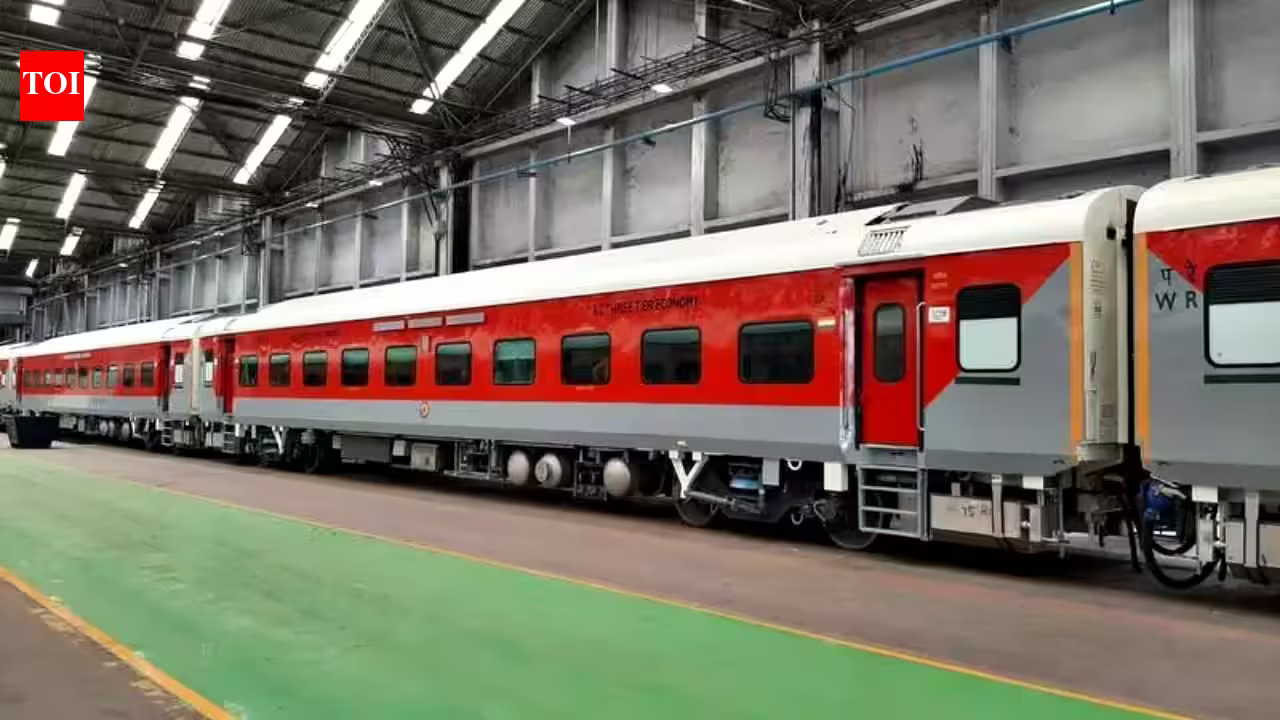
The transition from the traditional Integral Coach Factory (ICF) design to Linke Hofmann Busch (LHB) coaches in 2003 marked a transformative era for Indian Railways. Originating from German technology, LHB coaches were introduced to prioritize passenger safety, high-speed travel, and an extended service life compared to their predecessors. Over the past two decades, Indian Railways has successfully indigenized the manufacturing process, with the Integral Coach Factory (ICF) in Chennai, Rail Coach Factory (RCF) in Kapurthala, and Modern Coach Factory (MCF) in Rae Bareli now serving as hubs for LHB production.
However, recent technical audits and internal assessments by the Railway Board have identified an unexpected hurdle: heavy corrosion in the bogies of LHB coaches. Despite the engineering focus on using high-grade, corrosion-resistant materials, the structural integrity of these coaches is facing premature challenges. For an organization that manages one of the world’s largest rail networks, this discovery represents both an operational concern and a significant budgetary pressure. The Railway Board’s recent directive for special safety checks underscores the urgency of addressing this phenomenon before it impacts the long-term reliability of the rolling stock fleet.
Root Causes of Corrosion in Advanced Rail Infrastructure
The engineering investigation into the LHB corrosion issue reveals a complex interplay between environmental exposure, design nuances, and operational maintenance standards. While the LHB coach was marketed as a superior technological leap, its structural design has proven vulnerable in the specific operating conditions of India. Technical reports indicate that the most critical areas of degradation are the underframe, sole bars, and headstocks—components essential for the stability and safety of the coach.
One of the primary catalysts for this degradation is the design of the lavatory systems. Despite the modernization efforts, including the implementation of bio-toilets, the interface between the floor and the structural underframe remains a weak point. The report from Eastern Railway highlights that leakage of effluent, which is often acidic and contains high concentrations of chlorides, causes rapid chemical breakdown of the metal. When these fluids penetrate the trough floor or seep through faulty pipe fittings, they initiate an electrochemical process that significantly accelerates rusting. Once the protective coating is breached, the underlying steel components are exposed to continuous chemical degradation, leading to structural thinning that risks long-term safety.
Environmental Factors and Operational Liabilities
India’s diverse geographical landscape introduces unique challenges for railway engineering. Coaches operating in coastal regions are subjected to high levels of saline air. In these areas, the presence of airborne salt (sodium chloride) acts as a powerful electrolyte, facilitating the corrosion process even on surfaces that are not directly exposed to water. The high humidity levels in these regions further exacerbate the issue, keeping metallic surfaces moist and providing the ideal conditions for oxidation.
Beyond environmental factors, administrative and operational practices play a substantial role in the longevity of these coaches. The reliance on aggressive chemical agents during the cleaning process has inadvertently contributed to the problem. When coaches are washed with potent cleaning agents and subsequently left without proper rinsing or drying, corrosive residues remain trapped in crevices. Additionally, the practice of applying vinyl advertisement wrappers across the exterior of coaches has emerged as a double-edged sword. While these wraps generate non-fare revenue for the railways, poor application or the presence of tears and joints allows water to seep behind the film. This trapped moisture, unable to evaporate due to the plastic layer, creates a localized micro-climate that promotes rapid, hidden corrosion of the coach body.
Maintenance Strategies and Systemic Mitigation
In response to the growing reports of structural wear, the Railway Board has mandated a comprehensive shift in maintenance protocols. The focus is no longer merely on surface-level aesthetics but on proactive preservation of the underframe and bogie assemblies. Engineers have been tasked with identifying specific sub-assemblies susceptible to early degradation and performing intensive inspections during scheduled maintenance intervals.
Key mitigation measures include a strict audit of cleaning supplies to avoid chemical agents that accelerate metal oxidation. Furthermore, the practice of thorough rinsing and drying of the underframe post-cleaning has been prioritized to ensure that no saline or acidic residues persist. A critical structural recommendation involves keeping drain holes, slots, and water passages in the underframe entirely clear of debris. By preventing the accumulation of stagnant water, railways can minimize the contact time between moisture and metal. These steps represent a move toward “preventive asset management,” a shift that is vital for maintaining a modern rail fleet in a climate as demanding as India’s.
Economic Implications for Indian Railways
The challenge of corrosion in LHB coaches extends beyond safety; it carries significant economic weight. The cost of frequent structural repairs, component replacement, and the downtime required for deep-maintenance cycles places a strain on the operational expenditure of the national carrier. As Indian Railways continues to scale its operations and integrate new Vande Bharat train sets into the mix, the focus on asset lifecycle management becomes increasingly critical.
The need for design innovation, such as the use of advanced polymer-based protective coatings or stainless-steel variations that offer higher resistance to chloride-based chemicals, is now a priority for the three major coach manufacturing units. The current scenario acts as a case study in the necessity of tailoring global technology to fit local realities. The Indian context, defined by high-intensity usage, tropical climates, and specific sanitation challenges, requires robust engineering solutions that go beyond the original design parameters provided by the initial LHB technology transfer.
As the Ministry of Railways coordinates between the various manufacturing hubs and regional zones, the primary goal remains the balance between keeping operational costs efficient and maintaining the highest safety standards for the millions of passengers who rely on the network daily. By fostering a culture of technical accountability and rigorous oversight, the organization can overcome these early-stage structural issues and ensure that the LHB fleet fulfills its intended service life, serving as the backbone of India’s modern transportation infrastructure for decades to come.
Disclaimer: This content is auto-generated for informational purposes only.
Source: Read Original News