








The Structural Shift in India’s Gold Consumption Patterns
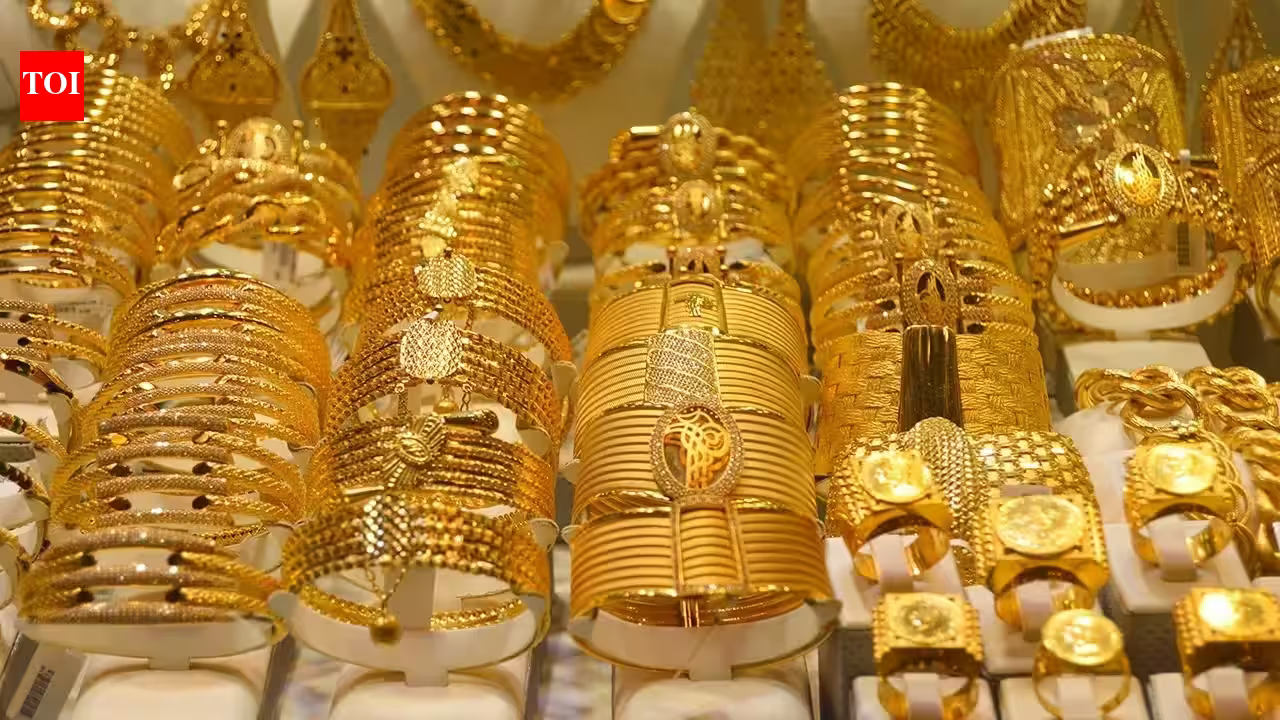
The Indian gold market, often described as a barometer for consumer sentiment during the festive season, is currently undergoing a significant transformation. As gold prices reach historic highs—surging by approximately 60% year-on-year to roughly Rs 1.57 lakh per 10 grams—the domestic jewellery sector is witnessing a marked shift in purchasing behavior. During the recent Ganesh Chaturthi festival, industry data indicated a 15% decline in sales volume compared to the previous year. This contraction is not necessarily a reflection of a total retreat from the market, but rather a strategic adjustment by consumers facing prohibitive costs.
The core of this market shift lies in the transition from heavy, traditional ornaments to lightweight, functional pieces. Consumers are increasingly prioritizing versatility, seeking jewellery that integrates seamlessly into everyday wear rather than being confined to bank lockers. This trend is further supported by the rise of gold exchanges, where households are leveraging their existing stock of jewellery to acquire new, modern designs. By trading in old gold, buyers mitigate the impact of rising retail prices while maintaining their participation in the cycle of festive acquisition.
The Resilience of Investment-Grade Gold
Despite the decline in retail jewellery volume, the demand for physical investment vehicles such as gold coins and bars remains a pillar of the Indian market. Industry participants, including veteran retailers in Mumbai’s Zaveri Bazaar, have observed a distinct preference for bullion during the current festive cycle. This behavior signals a shift in consumer strategy: while the cost of craftsmanship and intricate jewellery design makes ornamental purchases challenging, the desire to preserve wealth through gold remains ingrained in the Indian psyche.
The decision to pivot toward coins and bars serves as a hedge against market volatility. For the average consumer, investing in bullion is a tangible way to maintain gold exposure without incurring the additional costs associated with making charges and hallmarking fees for elaborate jewellery. This preference for “pure” gold indicates that the intrinsic value of the metal remains a priority for Indian households, even if discretionary spending on luxury ornamental jewellery experiences a temporary slowdown. The wait-and-watch approach reported by the World Gold Council underscores a disciplined, pragmatic consumer base that is sensitive to price fluctuations but remains fundamentally committed to long-term asset accumulation.
Impact of Regulatory Adjustments on Retail Operations
The operational landscape for Indian jewellers has been further complicated by the recent hike in Bureau of Indian Standards (BIS) hallmarking fees. The increase from Rs 45 to Rs 75 per gold article, implemented just ahead of the festive season, introduces a new cost component in the supply chain. While the fee increase is aimed at strengthening the integrity of the hallmark system—which includes the BIS logo, fineness grade, and the six-digit alphanumeric Hallmark Unique Identification (HUID)—it places additional pressure on margins.
For smaller jewellers and independent retailers, this cost elevation must be managed carefully. When combined with the broader inflationary pressure on gold as a raw commodity, these regulatory expenses necessitate a lean approach to inventory management. The implementation of a minimum consignment charge of Rs 200 per batch forces retailers to bundle their hallmarking requirements more efficiently. While these measures are essential for maintaining consumer trust and ensuring the standardisation of gold purity across the country, they simultaneously heighten the entry barrier for smaller players and demand greater efficiency in pricing strategies during peak shopping seasons.
Evolving Demographics and Digital Aspirations
A significant driver of the future of the gold market lies in the changing profile of the Indian buyer. Younger consumers, particularly women, are increasingly viewing jewellery as an expression of personal style and a marker of professional milestones rather than solely as a traditional repository of family wealth. This demographic shift is fueling demand for contemporary, minimalist designs that function effectively in both corporate and social settings.
To capture this segment, retailers are increasingly turning to digital ecosystems. Social media platforms, influencer partnerships, and celebrity collaborations have become critical tools for making jewellery aspirational. These platforms allow brands to narrate the story behind their designs, moving the conversation away from price-per-gram to the creative value of the piece. As digital literacy grows, the integration of online browsing with in-store experiences is becoming the benchmark for modern jewellery retailing. Companies that successfully leverage these digital channels to build brand loyalty are better positioned to weather price volatility, as they provide an intangible value proposition that resonates with the tastes of an aspirational, younger generation.
Market Outlook: Navigating the Wedding Season
The outlook for the remainder of the festive and wedding calendar remains cautiously optimistic. In the Indian context, weddings are a non-negotiable economic driver for the jewellery industry. Unlike sporadic festive purchases, wedding-related demand is relatively inelastic; families typically budget for these expenses well in advance. Consequently, as the calendar moves toward the peak wedding season, retailers expect to see a rebound in volumes.
Industry leaders anticipate that the current moderation in demand is a temporary phase that will be corrected by the sheer scale of the upcoming wedding season. Furthermore, the rising disposable income among the urban middle class provides a buffer against high gold prices. By diversifying their offerings—from offering lightweight gold for daily wear to promoting high-end diamond and alternative stone jewellery—retailers are effectively widening their appeal. The combination of sustained demand for wedding-grade jewellery and the ongoing preference for gold as a secure investment asset suggests that while the industry is currently navigating a period of adjustment, its long-term growth trajectory remains intact. The focus will now shift to how effectively retailers can balance the rising regulatory and commodity costs with the evolving, value-conscious preferences of the modern Indian consumer.
Disclaimer: This content is auto-generated for informational purposes only.
Source: Read Original News