









India’s Green Energy Leap Stalls at the Grid: The Challenge of Transmission Bottlenecks
India’s aggressive push toward a sustainable future has reached a pivotal juncture. Over the past decade, the nation has emerged as a global frontrunner in decarbonizing its electricity generation, with solar and wind capacities expanding at an unprecedented pace. Yet, as India pivots toward a cleaner energy mix, a critical systemic hurdle threatens to derail this momentum: the inadequacy of the national transmission infrastructure.
The Success Story of Renewables
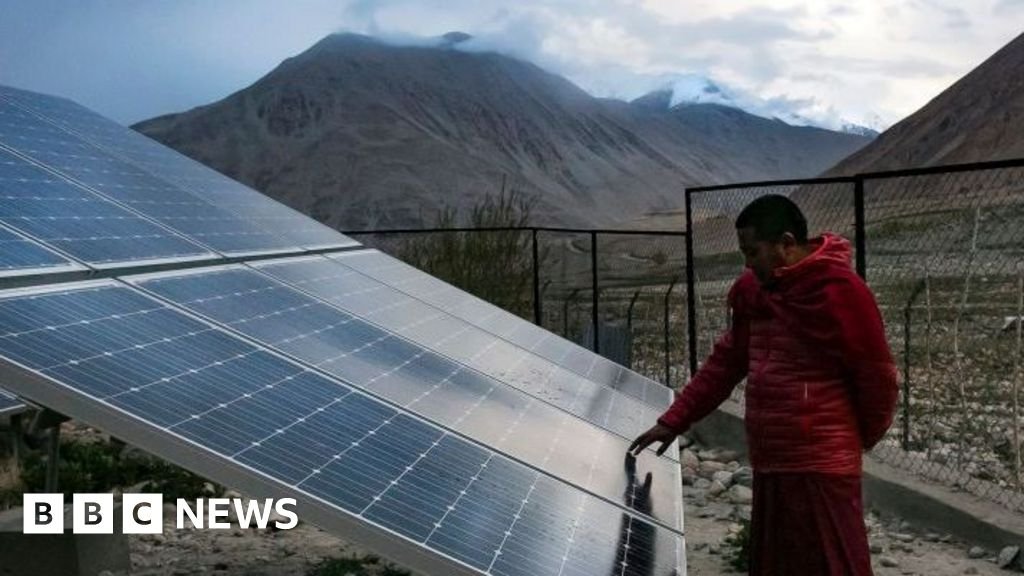
India’s commitment to climate targets is no longer merely aspirational; it is reflected in the tangible infrastructure dotting the landscape. Vast solar parks in Rajasthan and Gujarat, alongside sprawling wind farms along the coastal corridors, have significantly reduced the carbon intensity of the power grid. Government initiatives, supported by favorable policy frameworks and competitive bidding, have driven costs down, making green power the most affordable source of new energy in the country.
This massive scaling of renewable assets has been a triumph of engineering and economic planning. However, the geographic concentration of these resources—often located in sparsely populated, sun-drenched, or windy regions far from the industrial hubs that consume the most electricity—has created a logistical paradox.
The Grid’s Silent Crisis
While electricity generation capacity has surged, the physical transmission network has struggled to keep up. The grid, designed for a centralized, thermal-heavy past, is finding it difficult to absorb the intermittent and widely dispersed power generated by solar and wind plants.
Experts point out that even when power is generated efficiently, it often fails to reach the end consumer due to “curtailment,” where grid operators are forced to turn off renewable sources because the transmission lines are either congested or nonexistent. This mismatch between supply and demand is the primary bottleneck preventing India from fully realizing the benefits of its green transition. Without robust “green corridors”—high-voltage lines specifically designed to transport renewable energy across state lines—the massive investments made in renewable generation risk yielding diminishing returns.
Bridging the Transmission Gap
To address this, the Union Ministry of Power has accelerated the “Green Energy Corridor” project, an ambitious blueprint aimed at integrating large-scale renewable capacity into the national grid. The plan involves building advanced infrastructure, including sub-stations and high-voltage direct current (HVDC) lines, which can move electricity over long distances with minimal loss.
However, the pace of implementation remains a point of contention. Land acquisition challenges, complex inter-state regulatory approvals, and the massive capital expenditure required for grid modernization are delaying projects. Industry analysts argue that while generation capacity has been treated as a sprint, transmission development has been treated as a marathon, leading to a structural imbalance.
The Path Forward
The future of India’s energy security rests on a two-pronged strategy: smarter grid management and aggressive physical expansion. Integrating artificial intelligence for better load forecasting and investing in utility-scale battery energy storage systems (BESS) will be crucial to smoothing out the intermittency of renewables. Simultaneously, India must prioritize the rapid construction of interstate transmission lines to ensure that electricity produced in the desert can reliably power a factory in a bustling metropolis.
India’s decarbonization journey is a testament to the nation’s technological ambition. Yet, the final leg of this race will not be won at the generation site, but within the complex web of wires and substations that link the country. If India is to cement its position as a global green energy powerhouse, grid modernization must transition from a secondary priority to the core of its energy policy.
Disclaimer: This content is auto-generated for informational purposes only.
Source: Read Original News