







Canada Aims to Finalize Trade Pact with India by December G20 Summit
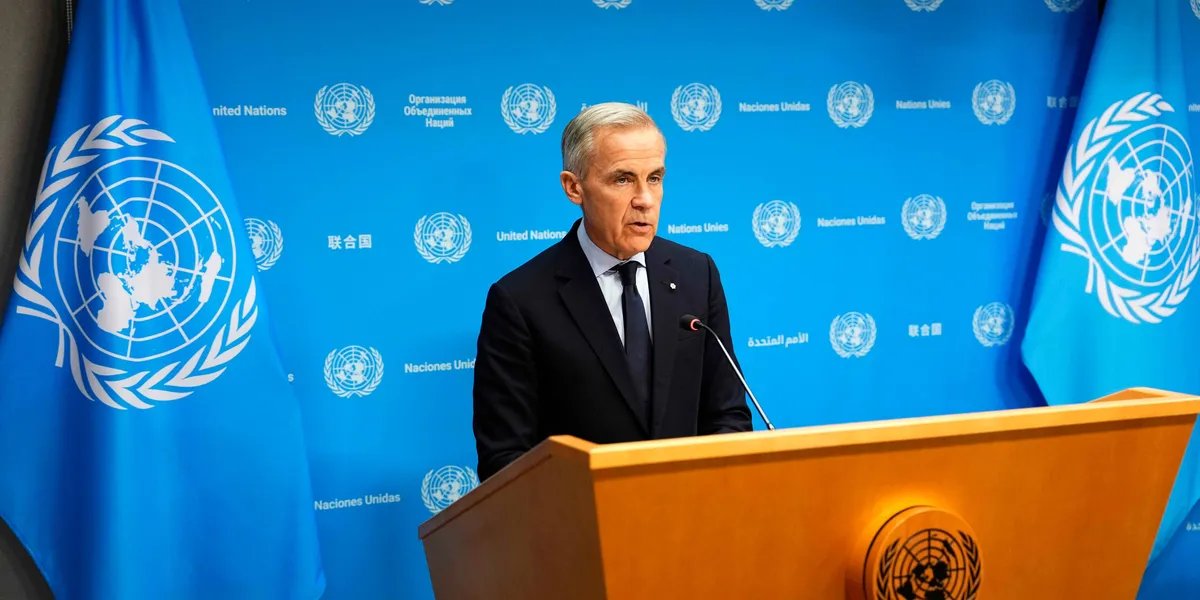
In a significant diplomatic push aimed at reshaping Canada’s economic landscape, Prime Minister Mark Carney has signaled that trade negotiations with India are accelerating rapidly. Speaking on the sidelines of the United Nations General Assembly, Carney confirmed that both Ottawa and New Delhi are working toward a deadline to conclude their comprehensive trade agreement by the G20 summit, which is set to take place in Miami this December.
The announcement marks a major shift for the Canadian government, which has been aggressively pursuing alternative trade alliances to mitigate its economic reliance on the United States. With the political climate under U.S. President Donald Trump creating new uncertainties, Carney’s administration is prioritizing a strategy to diversify trade partners, including Europe and the Indo-Pacific region.
Modi Expected in Canada
Adding to the momentum of the bilateral warming, Carney revealed that he expects Indian Prime Minister Narendra Modi to visit Canada around the time of the G20 meeting. While specific logistics and dates are currently being finalized, the anticipated visit would be a landmark moment, signaling a full-scale restoration of high-level engagement between the two nations.
Carney’s visit to India earlier this year, the first by a Canadian leader in over half a decade, laid the groundwork for this renewed partnership. His latest remarks indicate that both leaders are personally invested in meeting the year-end target for the trade deal.
A Diplomatic Turnaround
The speed of this economic rapprochement is particularly notable given the severe diplomatic crisis that fractured relations between the two countries in 2023. Ties plummeted to historic lows following the killing of Hardeep Singh Nijjar, a Canadian Sikh activist, in British Columbia. Former Prime Minister Justin Trudeau had leveled serious allegations, claiming there was credible evidence linking Indian government agents to the assassination.
The situation intensified significantly when the Royal Canadian Mounted Police alleged that Indian diplomats were involved in collecting information on Canadian citizens, which was subsequently shared with organized crime groups to facilitate violence. These claims led to the expulsion of six Indian diplomats, while New Delhi vehemently rejected the accusations, characterizing the charges as politically motivated and accusing Canada of providing a sanctuary for Sikh separatists.
Strategic Diversification
Despite the lingering tensions, the Carney administration appears determined to decouple the diplomatic disputes from long-term economic strategy. By aiming to double Canada’s non-U.S. trade over the next decade, the Prime Minister is looking beyond traditional North American partnerships.
His strategy has been multifaceted; in addition to the Indian trade talks, Carney has recently explored the prospect of Canada becoming the European Union’s first associate member. Earlier this year, he also brokered a tactical arrangement with China, allowing for limited imports of Chinese electric vehicles in exchange for tariff reductions on Canadian canola exports.
As the December G20 summit approaches, the focus remains firmly on whether the trade agreement can cross the finish line. For Canada, the deal represents more than just economic growth—it is a critical pillar in a broader effort to safeguard the country’s market sovereignty and reduce vulnerability to external political volatility.
Disclaimer: This content is auto-generated for informational purposes only.
Source: Read Original News