









As South Africa marks Heritage Month this September, the nation’s culinary landscape is undergoing a vibrant transformation. Far from being a static collection of historical recipes, South African food is proving to be a “living culture,” with a new generation of chefs reimagining traditional staples to ensure they remain relevant for modern palates.
This evolution sits at the heart of the Unilever Food Solutions (UFS) Future Menus 2026 report. The report’s “Culinary Roots” trend highlights how ancestral techniques and indigenous ingredients—once confined to domestic kitchens and passed down through oral tradition—are being elevated by professional chefs who view heritage as a foundation for innovation rather than just a memory.
“Food is one of the most joyful ways we celebrate who we are,” says Yonela Motloung, Marketing Director for Unilever Food Solutions South Africa. “It connects us to family, community, and place, but it also keeps evolving as each generation cooks, shares, and adds something of its own.”
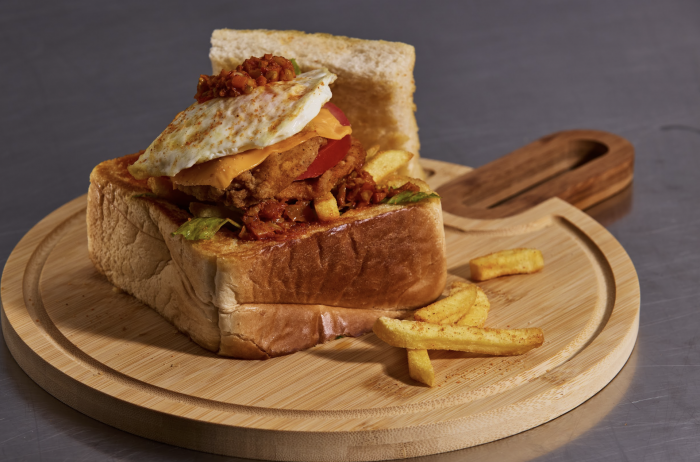
The movement is characterized by a playful, creative approach to familiar comfort foods. Chefs are taking iconic dishes and shifting their context, proving that traditional flavours can adapt to contemporary fine dining. For instance, the humble kota—a quintessential South African street-food staple—is being reinvented by UFS Chef Latoya Marivate. Her version features a sophisticated layering of breaded chicken, spiced chips, and atchar mayonnaise, adding a new chapter to the dish’s storied history.
Indigenous ingredients are also receiving a modern spotlight. Sorghum, one of Africa’s oldest cultivated grains, is being utilized for its complex, earthy maltiness in glazes for slow-braised short rib. Meanwhile, native botanicals such as buchu are being used to infuse desserts like honey cheesecake with fresh, herbal notes of blackcurrant and mint, while rooibos is being employed as a fragrant smoking medium for poultry.
Even the most cherished desserts are not immune to this wave of creativity. Iconic staples like milk tart and malva pudding are being deconstructed and recombined, while rooibos is being used to lower sugar content in custard-based sweets. Other innovations include transforming umfino—a traditional mix of maize meal and greens—into a textural crust for savory meat dishes, effectively bridging the gap between historical peasant cooking and modern culinary artistry.
According to Motloung, the goal is not to replace the past but to empower chefs to understand their roots while demonstrating the endless possibilities of local flavors. By giving a new generation the space to experiment, South Africa is ensuring that its food heritage is not relegated to history books, but remains a vital, evolving part of the national identity.
For those interested in exploring the future of dining, the full Future Menus 2026 report is available for download on the Unilever Food Solutions South Africa website.
Disclaimer: This content is auto-generated for informational purposes only.
Source: Read Original News