






India Firm on Energy Policy: Nirmala Sitharaman Defends Russian Crude Imports
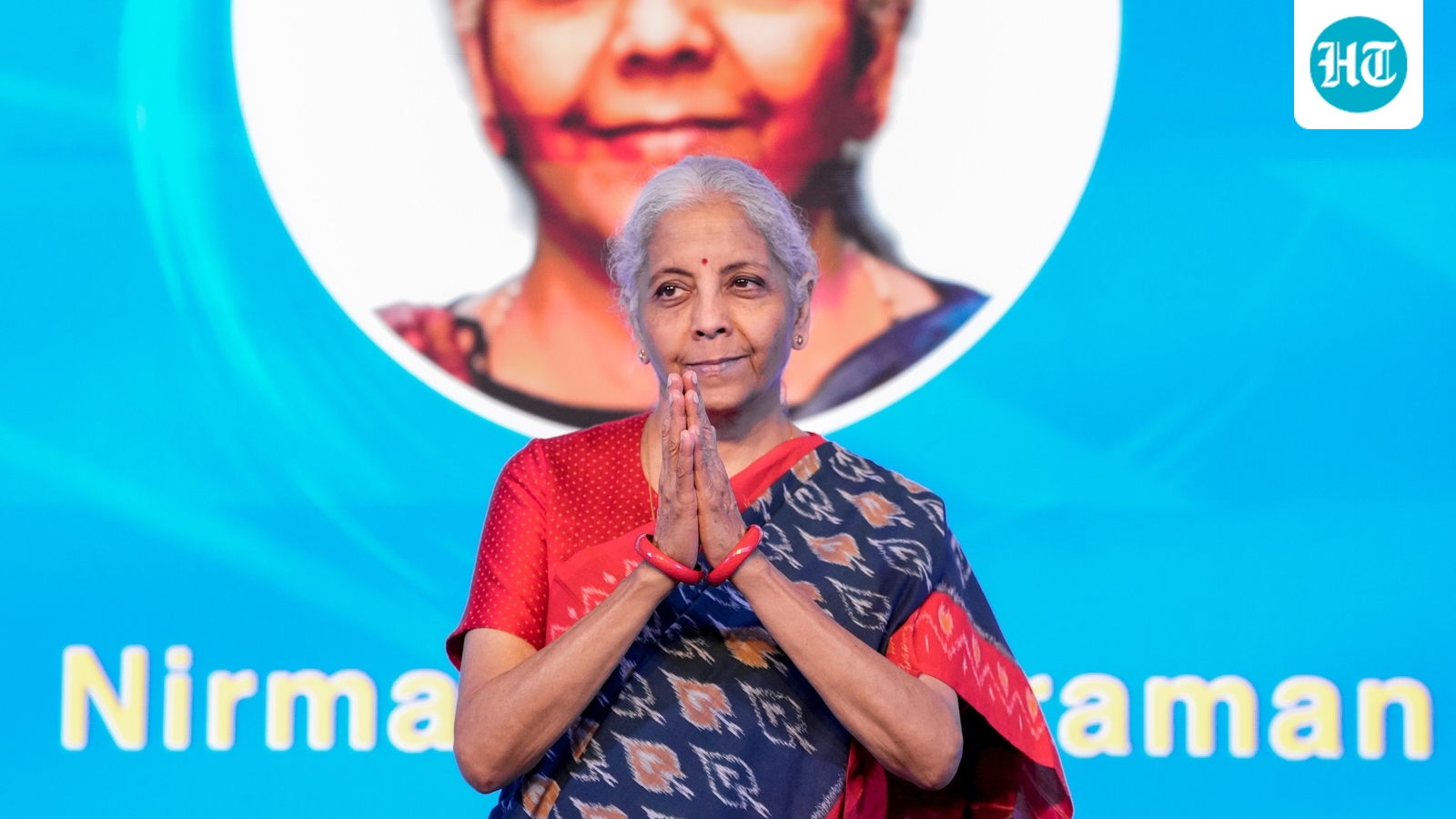
Union Finance Minister Nirmala Sitharaman has delivered a firm response to mounting international pressure regarding India’s energy imports, asserting that the nation cannot abruptly pivot away from Russian oil. Speaking at the BusinessLine Changemaker Awards on Tuesday, the Finance Minister emphasized that India’s primary responsibility remains securing affordable energy for its 1.4 billion citizens.
Global Supply Constraints and Economic Realities
Addressing the geopolitical complexities surrounding the global oil trade, Sitharaman argued that a sudden withdrawal from Russian crude would be economically detrimental, not just for India, but for the global market at large.
“The moment you step away from one source, the already constrained global supply pool faces immense pressure, inevitably causing prices to spike,” she explained. The Minister highlighted that recent instability in the Gulf region—including reported attacks on critical infrastructure—has already tightened the availability of oil. For a nation with India’s massive energy consumption, these market realities dictate a pragmatic, interest-first approach to procurement.
Navigating Technical and Regulatory Hurdles
Beyond simple market economics, the Finance Minister pointed to significant technical limitations that constrain India’s ability to switch suppliers at will. Indian refineries are highly specialized, engineered specifically to process certain grades of crude oil based on density and sulfur content.
“If we source oil from alternative markets that our refineries cannot process, even with modifications, the strategy becomes self-defeating,” Sitharaman noted. This technical configuration means that India must be selective in its procurement, focusing on crude that is compatible with existing infrastructure to maintain operational efficiency and cost-effectiveness.
Rising Diplomatic Tensions
Sitharaman’s comments arrive at a critical juncture in India-U.S. relations. The situation has intensified following the enactment of the Lindsey O Graham Sanctioning Russia and Iran Act by U.S. President Donald Trump. The legislation grants the White House broad authority to impose tariffs of up to 100% on nations that continue to act as major importers of Russian oil and gas. This policy move places India, alongside China, in a vulnerable position regarding potential trade barriers.
The diplomatic pressure is further compounded by calls from Ukrainian leadership. President Volodymyr Zelensky has publicly urged major buyers, including India, to sever energy ties with Moscow, suggesting that such a move would effectively cripple Russia’s ability to fund its military operations. Zelensky recently reiterated that the Russian economy relies heavily on trade with countries like India, Turkey, and China, and that halting these purchases could be a decisive factor in bringing the ongoing conflict to an end.
Prioritizing Domestic Energy Security
Despite the external demands, New Delhi remains steadfast in its position. The government has consistently maintained that its import policy is dictated by domestic security requirements and market viability rather than political alignment.
Sitharaman reiterated that India is already proactively diversifying its energy basket to mitigate risk. However, she underscored that any shift in sourcing must be rooted in necessity and suitability. “We will continue to source our energy requirements from every corner of the world, based on availability and what best serves our national interest,” the Finance Minister concluded, signaling that while India is mindful of the global landscape, it will not compromise on its internal economic stability.
Disclaimer: This content is auto-generated for informational purposes only.
Source: Read Original News