




Germany and India: A Strategic Pivot for a New Global Order
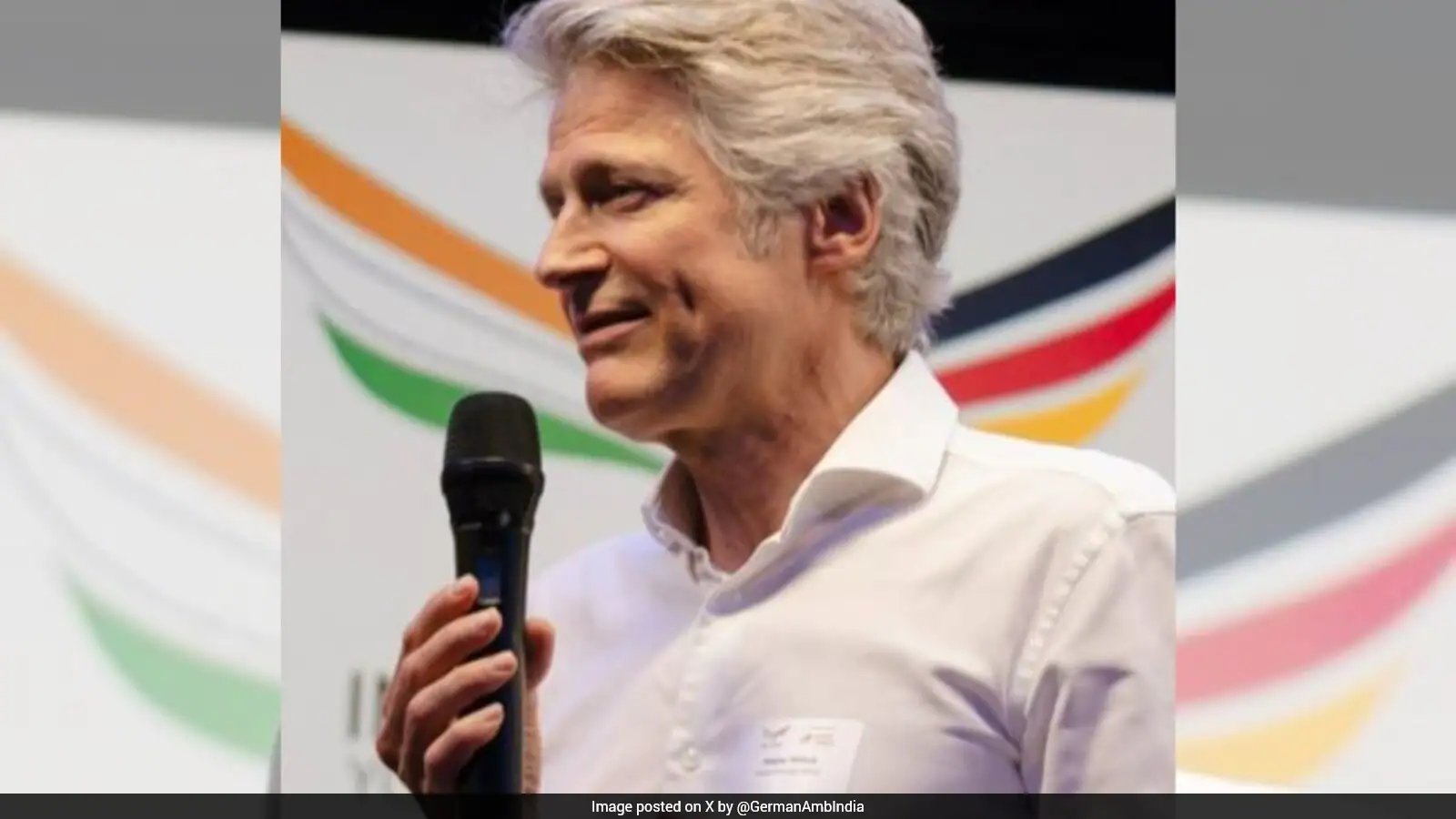
New Delhi: In his first exclusive interview since returning to India as the German Ambassador, Dr. Jasper Wieck has unveiled a robust, multi-layered blueprint for the future of Indo-German relations. Highlighting a shift from traditional diplomatic engagement to a partnership of necessity, Wieck emphasized that in an increasingly fragmented world, Berlin and New Delhi are finding common ground through economic integration, deepened defence ties, and a shared concern for global stability.
Having previously served as Deputy Chief of Mission in India, Wieck expressed amazement at the country’s rapid economic expansion and societal dynamism, particularly noting the commercial vitality observed during his recent travels to Mumbai.
The Economic Imperative: An FTA by Year-End
The cornerstone of Wieck’s diplomatic agenda is the long-awaited EU-India Free Trade Agreement. After nearly two decades of fluctuating negotiations, the Ambassador framed the agreement not merely as a choice, but as an essential survival strategy in a multipolar world. According to Wieck, the current geopolitical environment necessitates a combination of economic strength, military preparedness, and international collaboration.
The embassy is already laying the groundwork for the deal, which is expected to be signed by the end of this year. By implementing the agreement in 2025, officials project that bilateral trade turnover could effectively double within five years. To ensure a smooth transition, the embassy has proactively facilitated “matchmaking” between German and Indian enterprises, evidenced by the steady stream of business delegations arriving in New Delhi to secure their stake in the partnership.
Defence and Shared Security Interests
The partnership has evolved significantly beyond diplomatic rhetoric into a pragmatic defence relationship. Beyond routine port visits and joint military exercises, such as the upcoming Tarang Shakti, the two nations have formalized a Defence Industrial Roadmap. This agreement is a game-changer, allowing for significant technology transfers and facilitating 100 per cent Foreign Direct Investment from Germany into India’s defence sector.
Wieck highlighted the strategic alignment between the two countries, noting that they are effectively “in the same boat” regarding the deteriorating global security environment. By fostering joint production capabilities, Germany and India aim to strengthen their own military readiness while simultaneously eyeing export opportunities for third-party nations. The placement of a German liaison officer at the Indo-Pacific Information Fusion Centre in New Delhi further underscores Berlin’s commitment to maritime domain awareness in the region.
Addressing the Global Crisis
Regarding the ongoing conflict in Ukraine, the German Ambassador praised Prime Minister Narendra Modi’s consistent advocacy for peace, echoing the sentiment that current times are “not an era of war.” While acknowledging India’s nuanced diplomatic position, Wieck was firm in his assessment of the primary aggressor.
“We believe there’s one person who can end this war tomorrow, and that’s the Russian president,” Wieck stated. He argued that since the path toward a diplomatic resolution remains obstructed by Moscow, the international community must focus on increasing the economic and strategic costs of the war. For Germany, this involves sustained sanctions, the phasing out of Russian oil, and maintaining unwavering support for Kyiv to prevent further regional instability and global economic shocks, such as the volatility in grain and fertilizer markets.
A Growing Human Bridge
Beyond high-level policy, the human element of the partnership is thriving. With Indian student enrollment in German universities surging to 70,000 annually, the embassy is focused on scaling this educational migration responsibly. By refining mobility mechanisms, Germany aims to ensure that these student exchanges remain a mutually beneficial success story, further cementing the long-term ties between the two nations.
As Dr. Wieck’s roadmap suggests, Germany no longer views India as a distant regional partner, but as a central pillar in navigating an era defined by great power competition and profound unpredictability.
Disclaimer: This content is auto-generated for informational purposes only.
Source: Read Original News